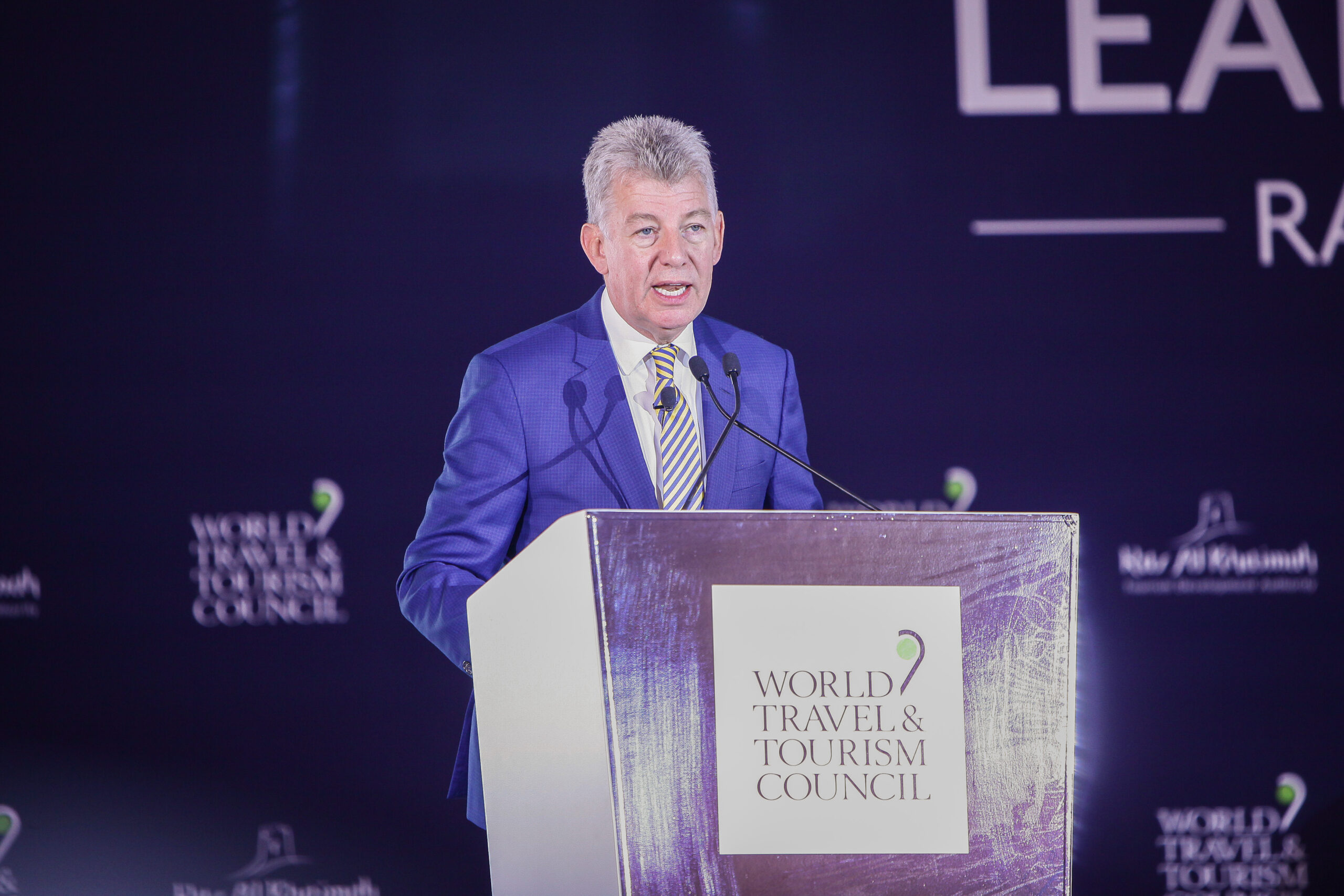



As aviation and the planet continue to grapple with high fuel costs and the climate impact of carbon emissions, one major airport CEO has predicted there will be a proliferation of smaller aircraft flying longer distances to more regional airports in the future, while warning that the increased production of sustainable aviation fuel (SAF) is the only way to mitigate the environmental consequences.
Dubai Airports chief, Paul Griffiths, told a Maltese World Travel & Tourism Council Global Summit roundtable that multiplying regional connections was a key part of growth strategy at Al Maktoum International Airport (aka Dubai World Central). Over 600 cities will benefit from direct routes to Dubai if the CEO’s plans to make the airport the world’s largest come to fruition.
Paul Griffiths, Chief Executive Officer of Dubai Airports in an interview during the second session of “International Media Briefing” series hosted by The Government of Dubai Media Office: Recovery in the first half of 2,026 saw 31.5 million customers come through DXB. We expect that number to continue to increase. It increased by 26% between July and June. Plans are still well advanced to complete our new airport during the 2030s, and the long-term strategy for the aviation sector in Dubai remains ambitious and robust. @dxb | @DubaiAirports
— Dubai Media Office (@DXBMediaOffice) September 11, 2026
Griffiths went on to point out that “aircraft technology is changing all the time, and with smaller aircraft able to fly longer distances we’ll have all of those secondary cities in Europe directly connected to Dubai, so you’ll be able to fly from, you know, Exeter or Valencia or Lyon or Marseille or Baden-Baden, to Dubai and then on to the world, so it’s going to change the shape of travel,” he said, hailing the phenomenon as “a great thing.”
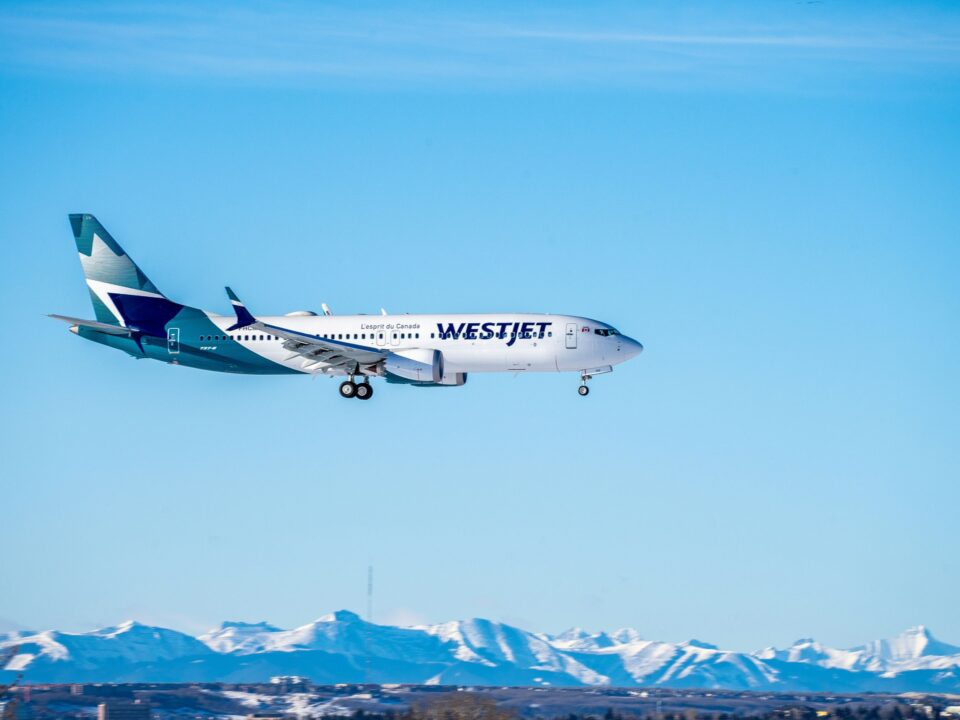
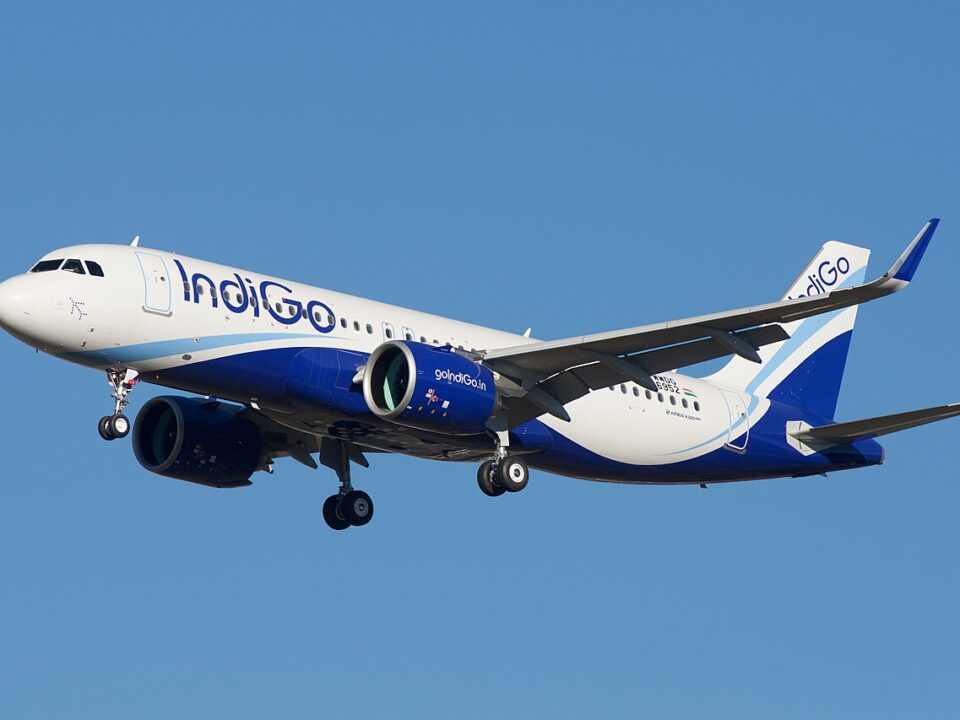
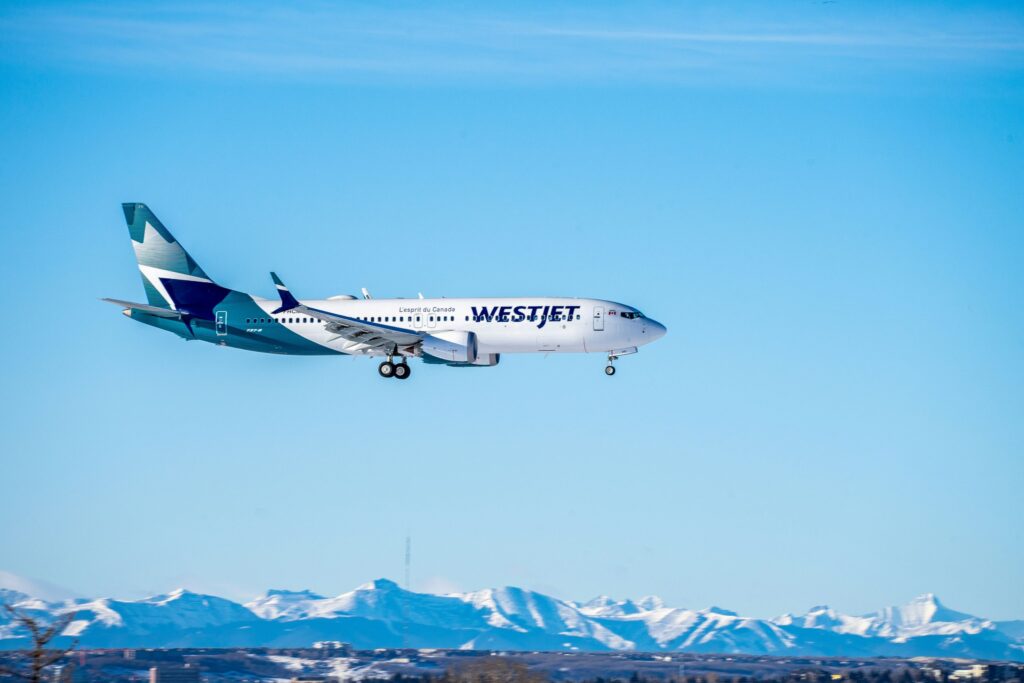
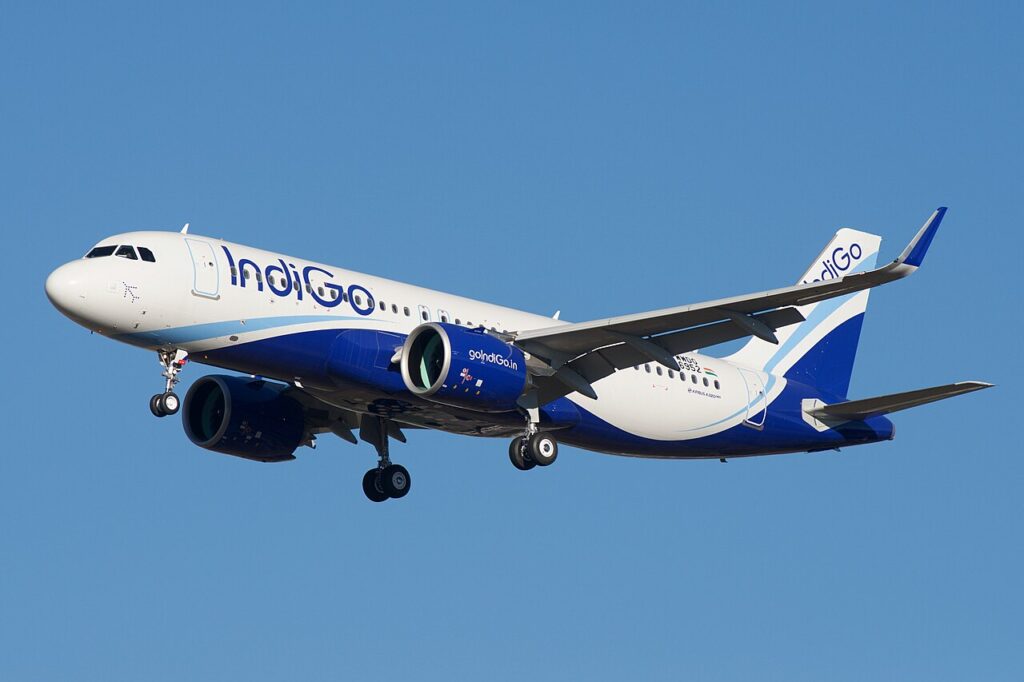
The aviation software entrepreneur and former Virgin Atlantic and Virgin Rail board director predicted that “over the next decade or so there will be a fantastic opportunity for regional airports to expand their operations.” He highlighted the role that narrow-body jets could play in that evolution, noting they are “now capable of flying the Atlantic to minor destinations, where you don’t need a wide body jet to fill to make it commercially sustainable.”
As September marks the first month following the Northern Hemisphere’s peak summer season, this week’s #FlightFriday examines narrowbody aircraft and their engines, comparing “flown” days across recent Septembers. 📈 Review the data: https://t.co/hVXVQXngP1 https://t.co/s5jzTsLhDA
— Aviation Week (@AviationWeek) October 9, 2026
The challenge for regional airports looking to step up operations, profits, and their economic contribution is to “get their surface transport access sorted out”, Griffiths said, suggesting that is “a good place to invest and it will be great for regional economies.”
However, he also recognised the environmental toll that aviation takes, saying SAF is “probably the only way” to deal with aviation’s carbon emissions and highlighting the Singaporean Civil Aviation Authority’s Sustainable Aviation Fuel (SAF) Levy on all departing passengers as a way to make aviation users contribute to sustainability measures while keeping costs reasonable for hubs worldwide.
SAF remains aviation’s most important decarbonization solution. But with volumes still limited, co-processing and low carbon aviation fuel (LCAF) can help bridge the gap as transitional solutions on the path to #NetZero. Full story 👇 https://t.co/rB9VldY5OK https://t.co/zoZF10B24s
— IATA (@IATA) October 1, 2026
Griffiths called for aviation stakeholders and civil authorities to take “environmental control seriously” by setting targets and building frameworks so that the industry’s infrastructure and economic benefits can continue to expand while balancing the “community impact.”
Dubai’s planned expansion will equip the hub with five runways. Outside the US, only Amsterdam Airport Schiphol in the Netherlands, Beijing Daxing International Airport in China, and Istanbul Airport in Türkiye have more, totalling six runways each (though not all constitute main civilian infrastructure).
Dubai will also boast 400 terminal gates and capacity for up to 260 million passengers a year by 2032 under the plans.