

A town in one of the most picturesque and tourist-heavy regions of the United Kingdom is bringing in limits on coach sizes in a bid to improve safety and prevent damage to local infrastructure.
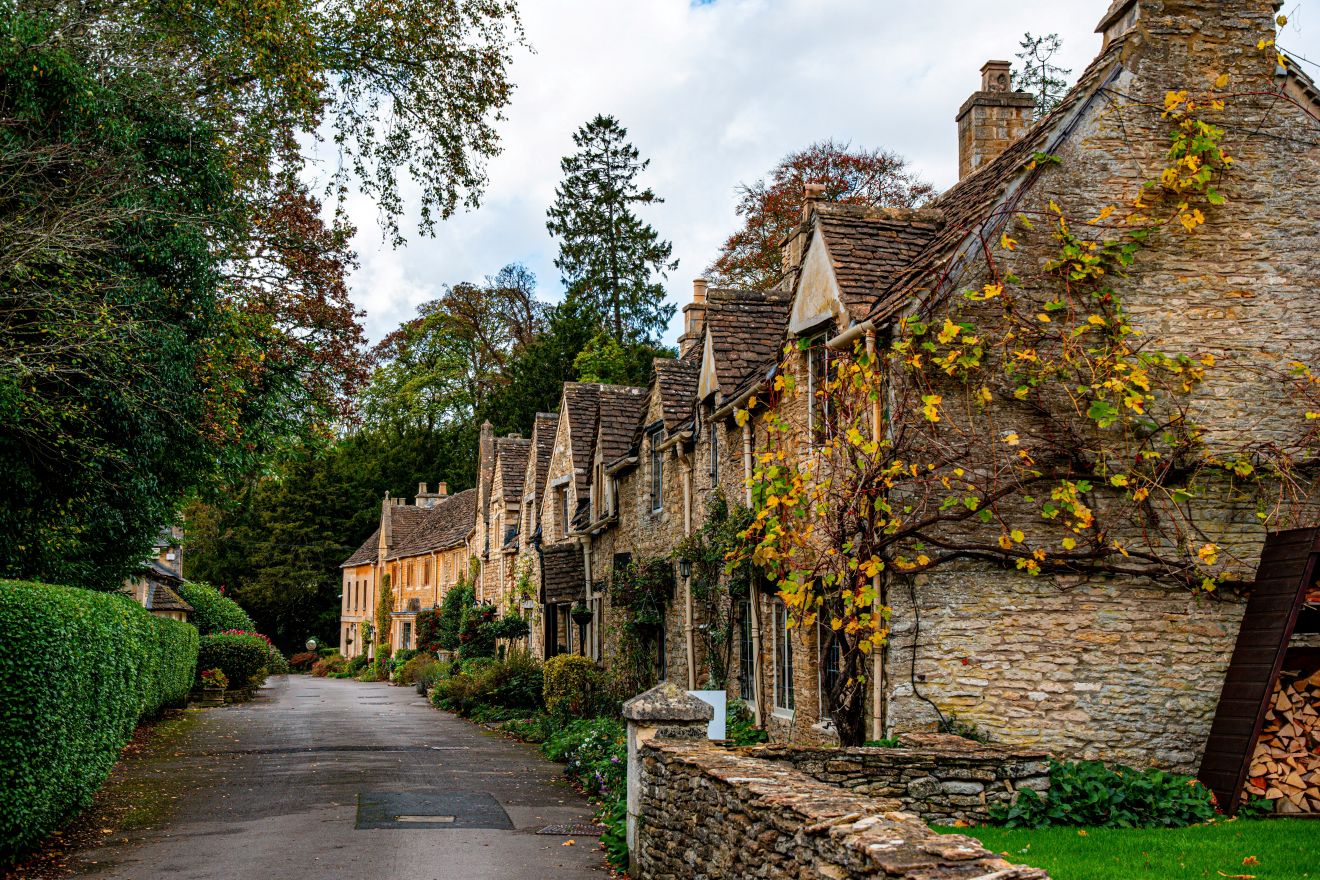
Burford, on the Windrush River in West Oxfordshire’s Cotswold Hills, is a classic market town boasting honey-coloured cottages that date back hundreds of years, as well as Georgian townhouses and historic pubs. But the use of one street in particular—Priory Lane, lined in places with high stone walls, double-parked cars, and where the local primary school is situated—has caused controversy going back at least two years.
Following a series of minor road accidents, recommendations were made to the County Council to ban buses over 12 metres in length from accessing the street, unless they have a special permit. Those restrictions are now set to come into force from 16 October 2026. In addition, “School Keep Clear” markings will be formalised, preventing vehicles from parking in front of the educational establishment between 8 am and 5 pm, Monday to Friday.
Andrew Foster, deputy mayor of Burford Town Council, said: “The current situation is untenable – large coaches continue a) to present safety and safeguarding concerns regarding pupils at the primary school, b) to risk repeated damage to the posts segregating the footway from the road.”
The Bank Holiday weekend saw some of our tourist hotspots become very busy. Bourton-on-the-Water in the Cotswolds is particularly popular, so much so that coaches have been banned from the high street because of overcrowding. Watch the full story on ITVX: https://t.co/ZPew8WollV
— ITV News West Country (@itvwestcountry) April 7, 2026
And in what appeared to be a thinly veiled criticism of travel and tourism stakeholders who have opposed the move, he went on to call for “prioritising the safety of primary school children over the convenience of tour operators and their clients.”
Burford is not the only Cotswold destination struggling to balance tourist numbers and the visitor economy with local needs. As previously reported by Travel Tomorrow, the village of Bibury, once hailed as the most beautiful in England by poet William Morris, has pleaded with tourists to arrive in smaller vehicles. Attracting up to 20,000 visitors per day in the high season, the village’s narrow roads have often been overwhelmed with the sheer volume of traffic, putting “intolerable and unacceptable pressures” on the 600 residents, according to former chair of the local council, Craig Chapman.
Meanwhile, Bourton-on-the-Water, sometimes described as the “Venice of the Cotswolds”, is working with Cotswold District Council and Gloucestershire County Council to address residents’ concerns over the littering and wear-and-tear caused by “excessive” tourist arrivals (they can reach 75 tourists for every one inhabitant at peak times of the year).
As Harold Goodwin, founder of the International Centre for Responsible Tourism (ICRT) and Managing Director of the Responsible Tourism Partnership, has pointed out, restricting vehicle access and providing parking some distance from villages “may be among the only effective ways of reducing the pressures of overtourism.” Yet efforts to protect residents and local infrastructure can sometimes “be perceived as attempts to restrict public access to places that belong to everyone.” What’s more, “enforcement is expensive.” How Burford will continue to manage these tensions going forward remains to be seen.