


International hotel groups are exploring opportunities in Syria as the country seeks to attract visitors to its historic cities and Mediterranean coast. Accor, Wyndham Hotels & Resorts and Minor Hotels are among the companies considering projects, although their plans remain at different stages. Their interest comes as Syria works to rebuild after a civil war that damaged cities, infrastructure and archaeological sites. Returning Syrians who live abroad are also part of the market developers hope to reach. However, continuing violence, ageing hotels and limited payment services present obstacles to the country’s tourism ambitions.
Visitor figures suggest a growing number of people are returning, although they should not all be understood as foreign holidaymakers. Government data put tourist arrivals at 3.52 million in the first half of 2026, more than double the figure recorded a year earlier. Of that total, 2.13 million were Syrian expatriates, meaning Syrians living outside the country. Around 660,000 visitors came from Arab countries, while approximately 720,000 came from other countries. Syrians abroad therefore accounted for about three-fifths of the reported total, underlining their importance to the recovery.
Syria welcomed 3.52 million visitors in the first half of 2026, up 111% year-on-year, Tourism Minister Mazen Al-Salhani said. Syria is now focusing on tourism investment, hotels, jobs and digital payments under its Syria 2030 vision. https://t.co/qzUnNCjyb9
— Tamir Hussein | Reporting Syria (@timtams83) September 28, 2026
Some of the proposed developments extend far beyond individual hotels. UAE developer Eagle Hills signed a framework agreement with Syria on 5 October for a 10 million square metre development in Damascus and a 4.3 million square metre project in coastal Latakia. Such an agreement establishes a basis for cooperation, rather than marking the completion of a project. Financial details were not disclosed. Eagle Hills chairman Mohamed Alabbar said Emaar, which is working on a separate Damascus development, could also participate in the two projects. Another UAE developer, Arada, has announced plans for a $7 billion project in the country.
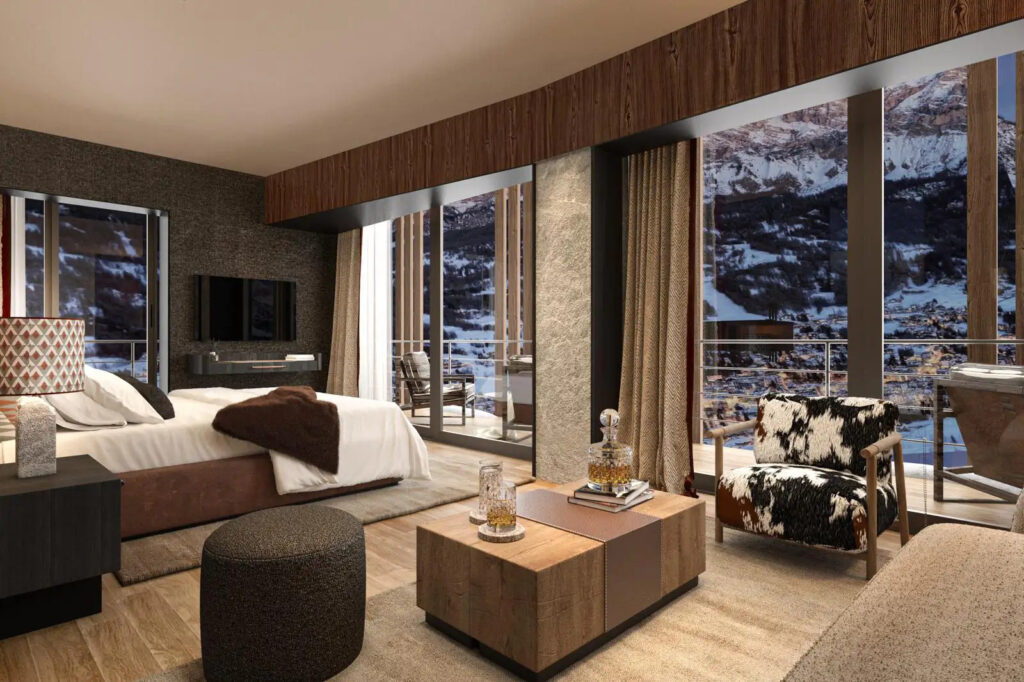
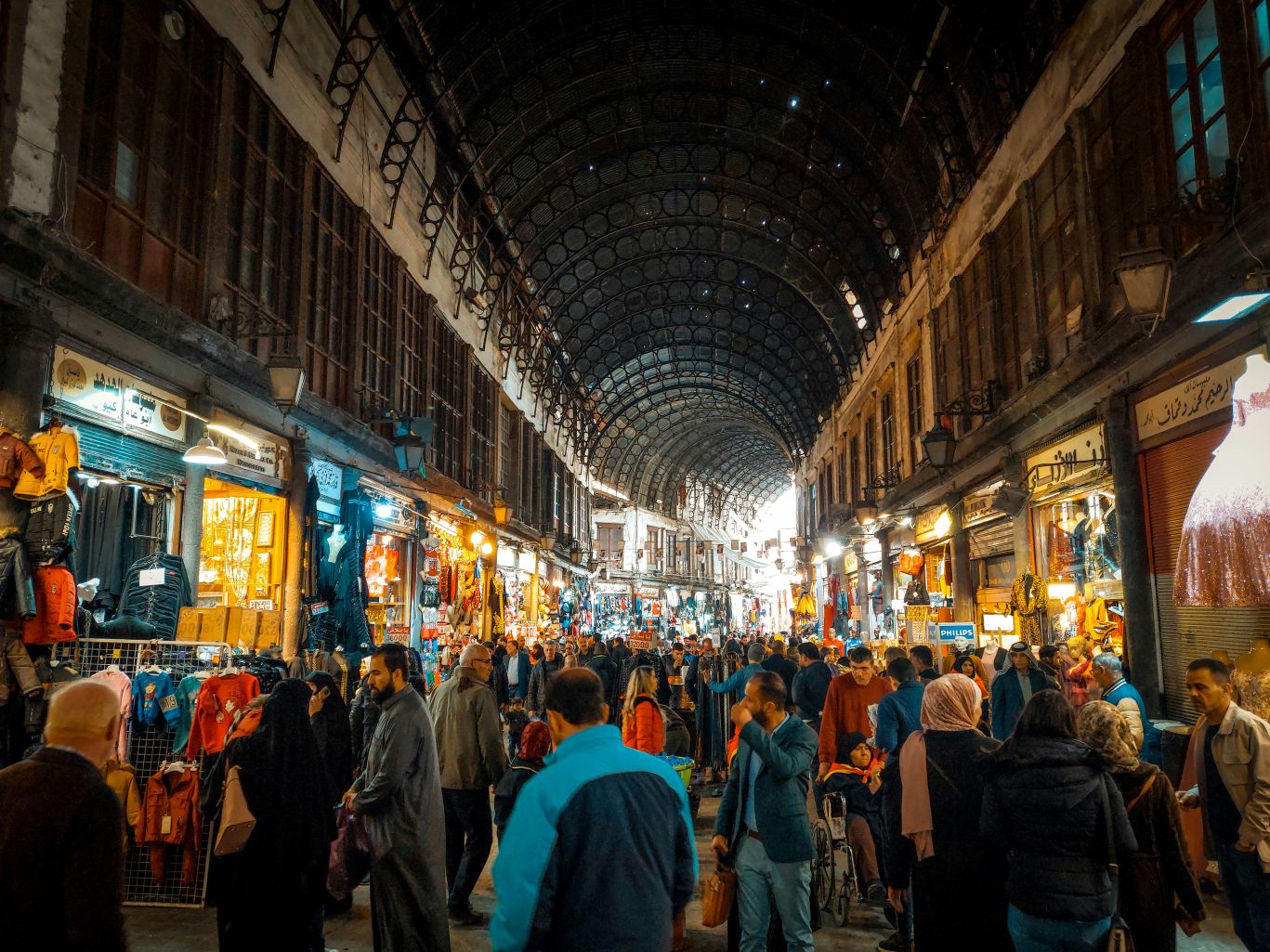
Hotel operators are considering both new buildings and conversions of existing properties. Accor is in advanced negotiations for two projects, according to Duncan O’Rourke, its chief executive for the Middle East, Africa and Asia-Pacific. Wyndham is examining opportunities in Damascus and coastal destinations. “Very soon, I’m confident that we’re going to announce our first signing in Syria,” said Dimitris Manikis, Wyndham’s president for Europe, the Middle East and Africa. Minor Hotels is also considering opportunities, including converting historic Damascus buildings into boutique hotels, generally smaller properties with an individual character. Traditional homes in the capital have already operated as locally run boutique hotels for decades.
Air connections are another part of the recovery, with Qatar Airways and flydubai serving Syria through their Gulf hubs. On 7 October, Etihad Airways announced plans to increase its Damascus service from four flights a week to a daily operation. These connections could help visitors reach the country through established international networks. However, Travel Tomorrow’s September report on continuing Middle East flight disruption despite reopened airspace explained that airlines were restoring services at different speeds. An open airport or reopened airspace does not automatically mean every airline has resumed its routes.
Security remains a significant challenge alongside the investment announcements. Syria continues to experience outbreaks of violence, and the US State Department still advises American citizens against travelling there. President Ahmed al-Sharaa has sought closer relations with Western countries and investment from abroad to support reconstruction. Yet interest from developers does not remove the risks facing visitors or the difficulties involved in delivering major projects. Some communities in the suburbs of Damascus have also protested against large developments announced by the government.
Practical barriers include paying for services and bringing existing accommodation up to standard. Visa and Mastercard announced plans to launch operations in Syria in September, but electronic payments remain limited to certain foreign bank cards at specific locations. The World Bank estimated Syria’s reconstruction costs at $216 billion in 2025, including $75 billion for residential buildings and $59 billion for non-residential structures. Those figures cover the country’s wider rebuilding needs, rather than tourism alone. “The challenge with the market, it’s been basically off the grid for many years. So the (hotel) inventory that’s existing is very tired,” said Amir Golbarg, Minor Hotels’ chief operating officer for the Middle East and Africa.