


Europe’s travel and tourism sector is expected to grow by 3.1% in 2026, outperforming the wider economy despite ongoing geopolitical and economic uncertainty, according to new figures released by the World Travel & Tourism Council (WTTC).
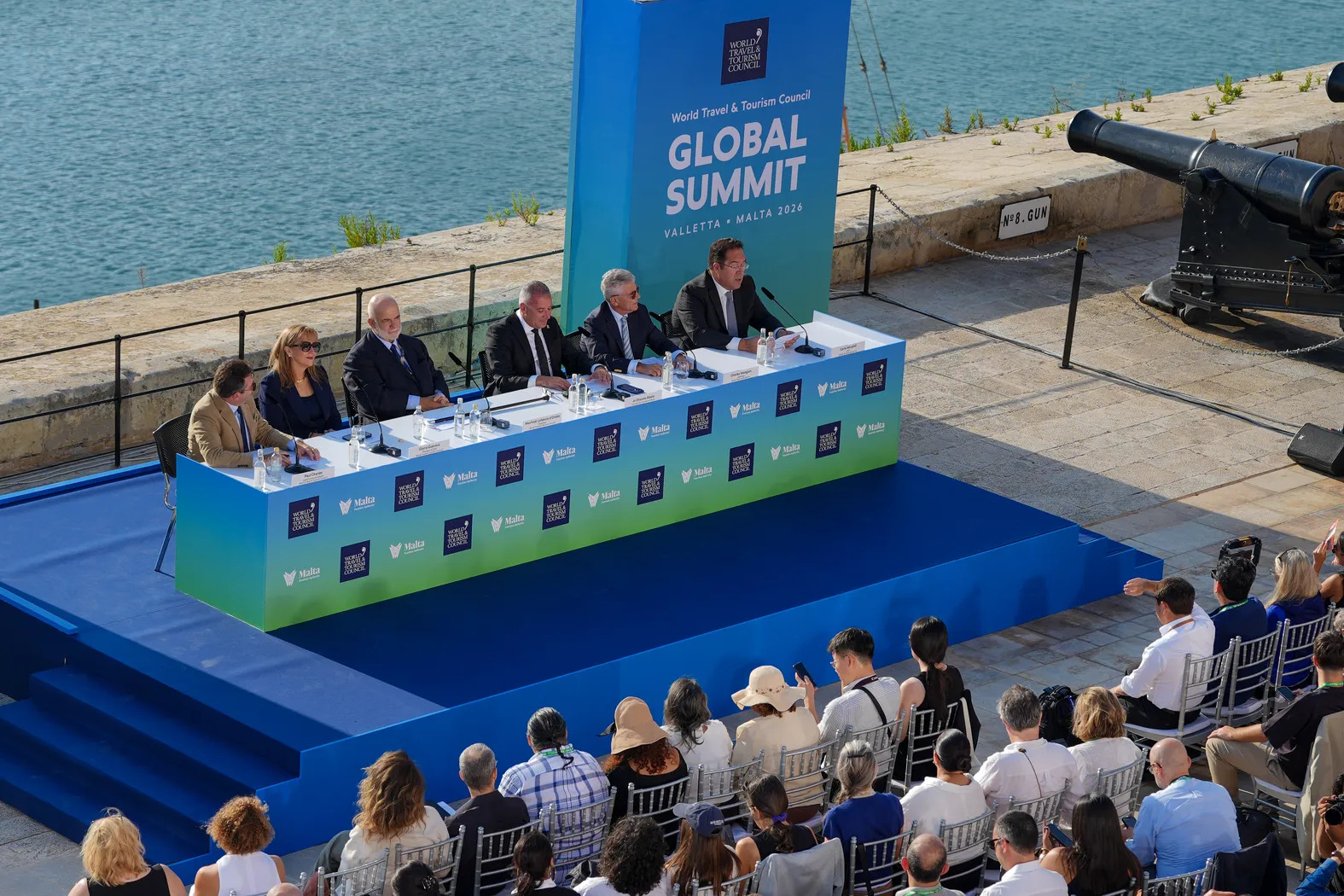
The forecast, presented on 7 October at the opening press conference of WTTC’s 26th Global Summit in Malta, represents an increase from the sector’s 2.6% growth recorded in 2025. It also exceeds the projected global travel and tourism growth rate of 2.5% for 2026.
According to WTTC, international visitor spending in Europe is expected to rise by 5.8% this year, while leisure travel spending is forecast to increase by 3.1% and business travel spending by 4.2%.
🇲🇹 📍 More than 200 CEOs and senior leaders from across global Travel & Tourism will gather in Valletta in October. FUTU[RE]SET: Shaping the Future of Travel & Tourism – the theme of the 26th WTTC Global Summit, bringing together the leadership of the world’s most influential hospitality, aviation, cruise, technology and travel businesses. Among the senior leaders confirmed to attend are: Christopher J. Nassetta (@Hilton), Elie Maalouf (IHG Hotels & Resorts), Tony Fernandes (Capital A), Jane Sun (@tripcomgroup), Pierfrancesco Vago (MSC Group). 🌎 ✈️ Technology, AI, shifting consumer expectations, geopolitical change. The forces reshaping Travel & Tourism are outpacing conventional thinking. Find out what comes next – and how you can be part of it. 🔗 https://t.co/a1iKQ5KOo7 #GSMalta #WTTC #TravelAndTourism
— WTTC (@WTTC) September 3, 2026
The organisation highlighted the sector’s importance to the European economy, with travel and tourism supporting approximately one in ten jobs across the region.
“Travel & Tourism continues to demonstrate remarkable resilience,” said Gloria Guevara, President and CEO of WTTC, noting that the industry contributed $11.6 trillion (€10 trillion) to the global economy in 2025, accounting for 9.8% of global GDP and supporting 366 million jobs worldwide.
Guevara also stressed the importance of government policies in sustaining the sector’s growth, particularly measures to improve connectivity, facilitate travel, develop workforce skills and support sustainability. “The choices made today will determine how much of this opportunity Europe captures,” she highlighted.
Gloria Guevara Manzo,(@GGuevaraM) WTTC President & CEO, speaking ahead of the 2026 Global Summit taking place in Malta this week. Attended by more than 200 of Travel & Tourism global CEOs, more than 60 ministers and government leaders and more than 1.000 delegates this marks the most important and influential gathering in our sector. 📍 Valletta, Malta 🗓️ 7–9 October Follow the conversations at #GSMalta #WTTC #TravelAndTourism
— WTTC (@WTTC) October 6, 2026
The findings were unveiled as more than 1,000 delegates, including over 200 tourism industry CEOs and government leaders, gathered in Valletta for the annual summit. The event brings together more than 100 speakers to discuss investment, technology, artificial intelligence, workforce development and the future competitiveness of the tourism industry.
Malta, this year’s host country, is among Europe’s strongest-performing tourism economies. According to WTTC, the country recorded a 16.8% increase in travel and tourism’s contribution to GDP in 2025, the highest annual growth rate among European economies.
📍WTTC Global Summit opens in Malta as European Travel & Tourism set to outpace wider economy. Joined by Manfredi Lefebvre, Chairman, WTTC; Gloria Guevara Manzo, President & CEO, WTTC; Jo Etienne Abela, Minister of Tourism, Malta; Carlo Micallef, CEO, Malta Tourism Authority; and Dr Charles Mangion, Chairman, Malta Tourism Authority. WTTC released new research forecasting 3.1% growth for the sector in Europe this year. International visitor spending is set to rise 5.8%, and business travel spending 4.2%. 🇲🇹Host country Malta recorded Europe’s strongest increase in Travel & Tourism GDP contribution in 2025: 16.8%. 🔗Full release: https://t.co/BOWHItxTWt #GSMalta
— WTTC (@WTTC) October 7, 2026
Commenting on Malta’s tourism ambitions, Carlo Micallef, CEO of the Malta Tourism Authority, emphasised the importance of balancing economic growth with sustainability and benefits for local communities.
“We want to create greater value, not only economic, but also social and environmental. We want tourism that is sustainable and resilient. Tourism that embraces innovation while remaining rooted in our identity. Tourism that creates meaningful experiences for visitors while delivering tangible benefits for the communities that welcome them,” Micallef said. “Hosting this Summit gives us an extraordinary opportunity to place that ambition within a global conversation,” he added.
The sector is expected to contribute $4.9 billion to Malta’s economy in 2026, accounting for 16.9% of national GDP and supporting more than one in five jobs.
Ministers and global business leaders from 24 countries came together in Valletta for WTTC’s Global Leaders Dialogue. Today’s discussions explored how connectivity, ease of travel, investment and regulation increasingly decide where travellers, businesses and capital choose to go, and why governments and industry must work together to stay competitive. "Competitiveness is built through partnership. When governments and industry work hand in hand, they create the conditions for investment, innovation, connectivity and growth." – Gloria Guevara, President & CEO, WTTC 📍 26th WTTC Global Summit | Valletta, Malta Read more: https://t.co/3qtlhFldVA #GSMalta #WTTC
— WTTC (@WTTC) October 7, 2026
The latest forecast follows other positive indicators for European tourism. As Travel Tomorrow previously reported, international tourist arrivals across Europe rose 5% in the first half of 2026, while overnight stays rose 4.8%, according to the European Travel Commission.
Europe also accounted for approximately one-third of global leisure travel spending in 2025, according to earlier WTTC research. Looking further ahead, the organisation expects the EU’s tourism sector to support more than 30 million jobs by 2035, creating approximately 4.5 million additional positions over the next decade.
The latest figures underline the sector’s continued economic importance, while WTTC has called for closer cooperation between governments and businesses to maintain competitiveness and ensure sustainable growth.