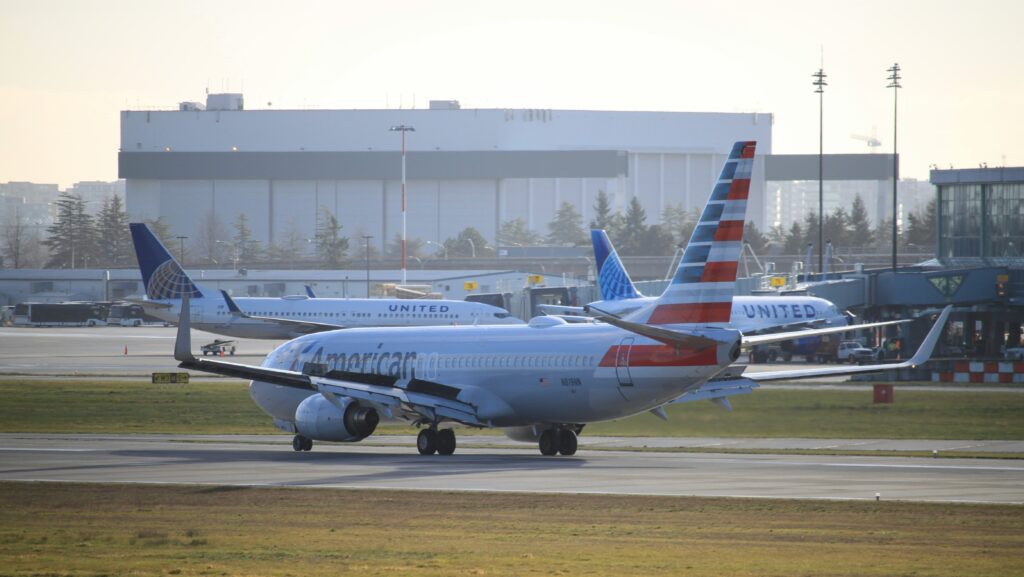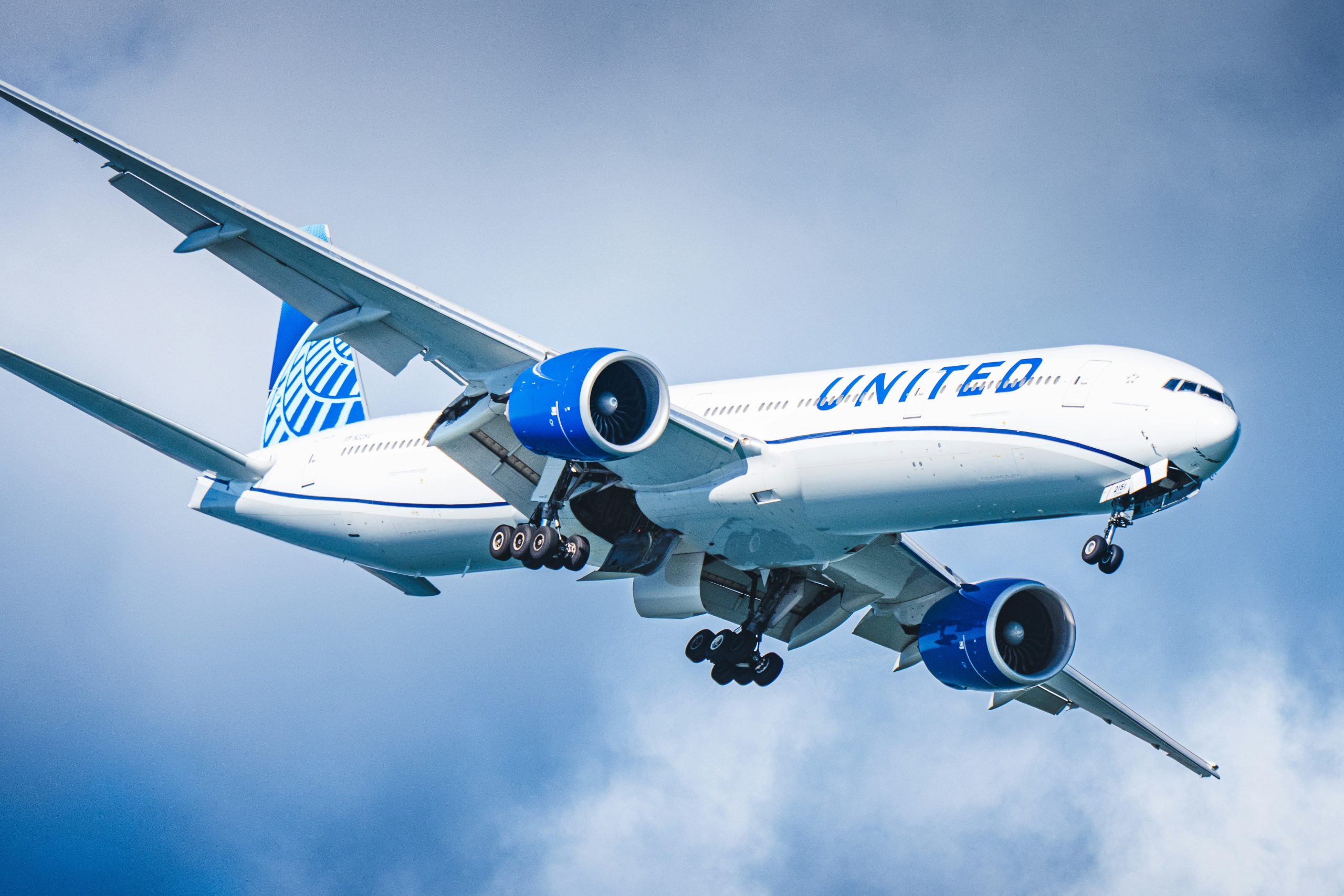



Travellers will no longer be able to use artificial intelligence (AI) agents to book United Airlines flights, the US carrier announced on 11 November 2026, in a move that follows security concerns and question marks over federal laws.
AI agents, including Meta’s Muse and OpenAI’s ‘dots’, are able to go beyond research to make purchases on behalf of users. But, United says, the information that consumers must share with AI in order to complete those transactions is problematic, since “sharing account credentials with personal, third-party, AI assistants can expose sensitive information, and actions taken by these tools may result in unintended purchases, account changes, or use of MileagePlus miles.”
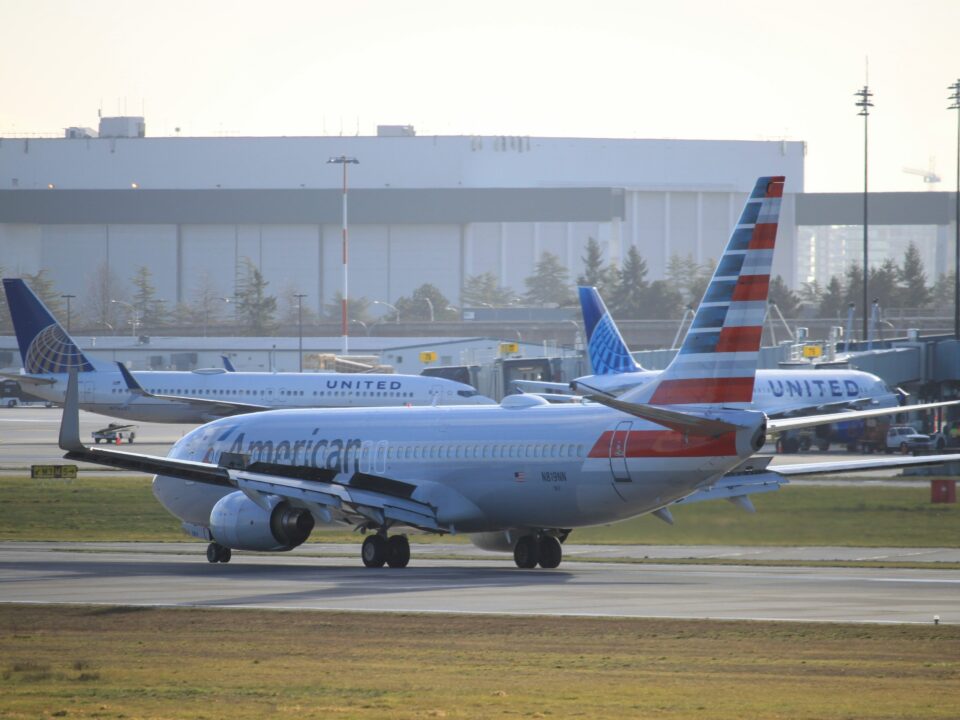
When it comes to unintended purchases or consequences of using AI, Travel Tomorrow reported an issue with American Airlines AI agent AURA earlier this year, after some travellers found their booking was being changed by AI without their knowledge.
united just banned ai agents from booking your flights https://t.co/ThE3suLfUJ
— Stefano (@stedelmanto) November 12, 2026
Another reason why the legality of AI making travel purchases is under scrutiny by United is that checking in for a flight requires personal confirmation that luggage does not contain banned items or substances. AI cannot do this on a consumer’s behalf.
“As a result,” the airline said, “United is taking steps to restrict access — directly within our digital platforms and indirectly via travel agencies and aggregators — to prohibit use by unauthorized, third-party personal AI agents or assistants.”
The controversy comes as businesses wrangle with the reality of AI entering the marketplace as a tool for purchasers. Recent travel trends suggest an increasing proportion of consumers are willing to let AI perform tasks associated with going away. These tasks range from handling calendar commitments and emails while humans are absent from their desks, to researching and booking travel.
However, there is change afoot regarding the type of tasks that travellers are handing over to AI. A survey of over 3,000 European and US consumers conducted in summer 2026 by hospitality tech firm Mews found that over half of respondents were happy to use AI to make translations, recommendations, or summarise reviews, but less than half would allow AI to plan or book whole itineraries.
Meanwhile, for business stakeholders, there is at least a three-way equation to manage here. They must balance 1) making it as easy as possible for consumers to choose and spend their money on products, with 2) keeping customers within their own product ecosystem, with 3) staying within the legal parameters of their sector.
Ryanair has already had high-profile battles with third-party booking sites, which it claims do not offer clients the best prices and make it hard to keep travellers informed.
Henry Harteveldt, an aviation analyst at Atmosphere Research Group, told CBS News that, similarly, United could be reluctant to “add another, and potentially even more powerful intermediary than they already face in terms of Google search, price-comparison metasearch sites, and online travel agencies.”
Forbes notes that other airlines are tackling the issue differently for now. “Delta, American, JetBlue,” it reported, “allow customers to book flights with agentic AI platforms but say the customer ultimately assumes any risk.”
But as AI shopping assistants continue to evolve, customers may decide a fourth dimension of the problem outweighs the risk of a rogue booking: Skift has reported that AIs are so efficient and task-oriented that they are better than humans at resisting upsells. And on that note, dear reader, may we upsell you another article about travel and AI?