


Bangkok has been named the world’s best city for nightlife in 2026, according to Time Out’s latest ranking, with Berlin taking second place overall and leading the European cities on the list.
The ranking, published on 26 August, was based on a survey of more than 24,000 local residents across 150 cities worldwide, combined with assessments from Time Out’s editors and city experts. The survey considered factors including the quality and affordability of nightlife, sense of community, and whether cities feel exciting, lively, diverse, welcoming and safe after dark.
Bangkok climbed from 13th place in 2025 to claim the top spot this year. Time Out highlighted the Thai capital’s broad range of nightlife, spanning street-side bars, rooftop venues, large clubs, LGBTQ+ nightlife, neighbourhood cocktail spots and late-night food.
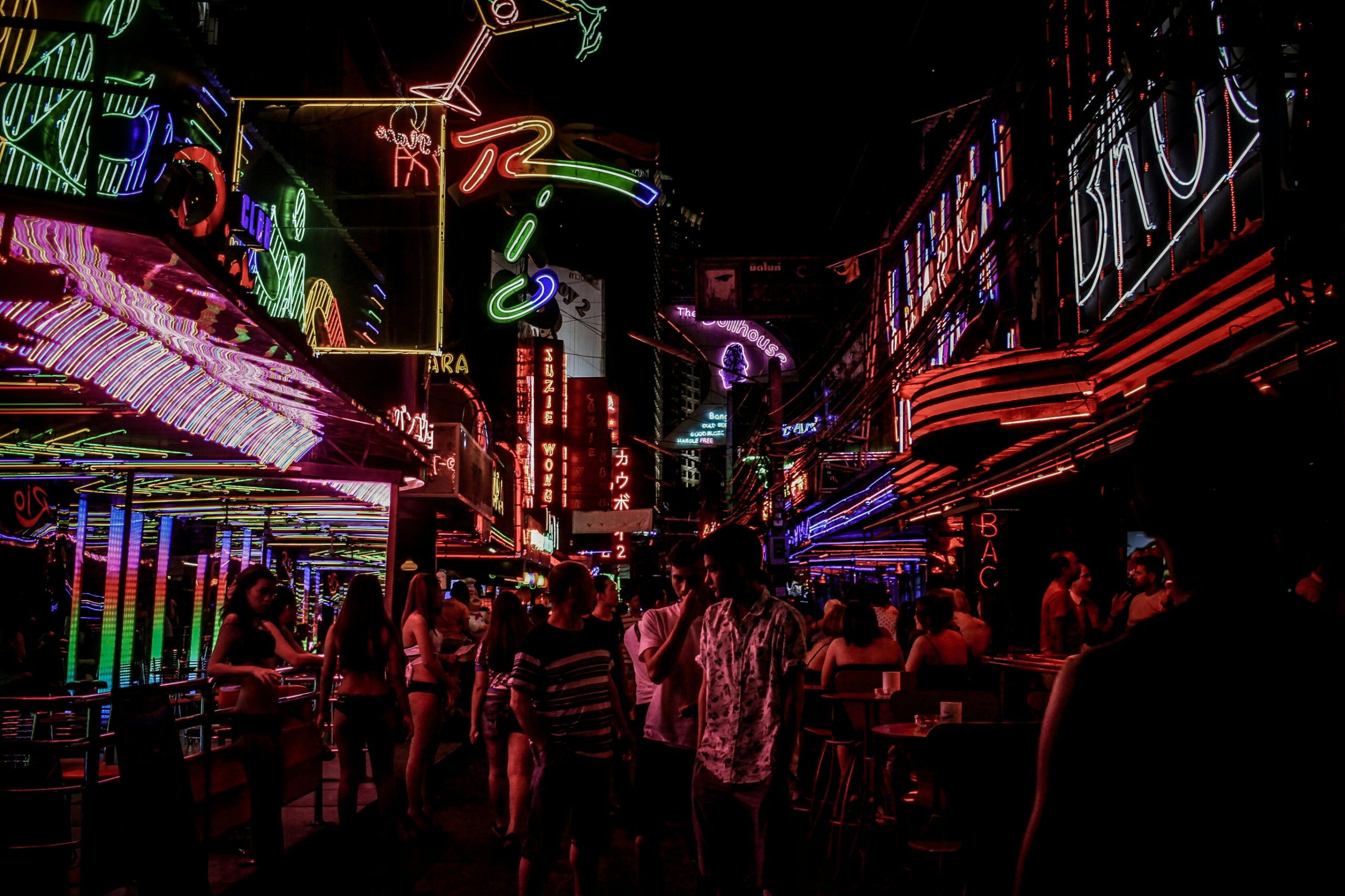
Bangkok’s nightlife stands out for the way it spills beyond bars and clubs onto the streets, particularly around Chinatown’s Soi Nana, with cocktail bars like G.O.D, Tep Bar, Ba Hao, and Bar Temp.
The city also offers a wide range of dance clubs with major DJ sets and events hosted by local collectives, while venues such as Sing Sing Theater, a red-lanterned cabaret mega-club featured in The White Lotus season three, add to its distinctive after-dark scene.
The city also performed strongly among local residents. 73% of Bangkok respondents described the city’s nightlife as either “good” or “amazing”, while the same percentage said it was easy to feel connected and find a sense of community. Time Out’s expert panel gave Bangkok an approval score of 95%.
Berlin followed in second place globally, making it the highest-ranked European destination. The German capital received a 78% approval rating for its nightlife from local residents, while all members (100%) of Time Out’s expert panel backed its after-dark scene.
Time Out noted that Berlin’s nightlife is facing challenges from rising rents and redevelopment, with the city’s legendary club culture undergoing a period of change, what critics call “Clubsterben: the slow death of the city’s legendary clubs”.
At the same time, Germany is seeking to reclassify clubs as cultural institutions, while Berlin’s techno culture was recognised by UNESCO as intangible cultural heritage in 2024.
New York City ranked third, followed by Melbourne and São Paulo. The remainder of the global top 10 was made up of Medellín, Johannesburg, Brighton, Beijing and Amsterdam.
Europe had a relatively limited presence near the top of the ranking, with only three European cities making the top 10.
Brighton recorded the highest community score in the ranking, with 84% of residents saying it is easy to meet people and feel part of the city’s community. Amsterdam, meanwhile, was recognised for its nightlife both in the city centre and beyond. Time Out noted that “whether you’re staying in Noord, Oost, De Pijp or Jordaan, chances are you’ll find brilliant bars and late-night venues within walking distance”, with venues including Garage Noord, Pllek, Loop 51 and Door 74 among the city’s highlights.
The ranking reflects changing nightlife habits, with street parties and rooftop raves growing while people increasingly explore entire nightlife districts rather than concentrating on a small number of major venues.