


Travellers increasingly want their holidays to have a positive impact on the destinations they visit, particularly when it comes to supporting local communities and economies.
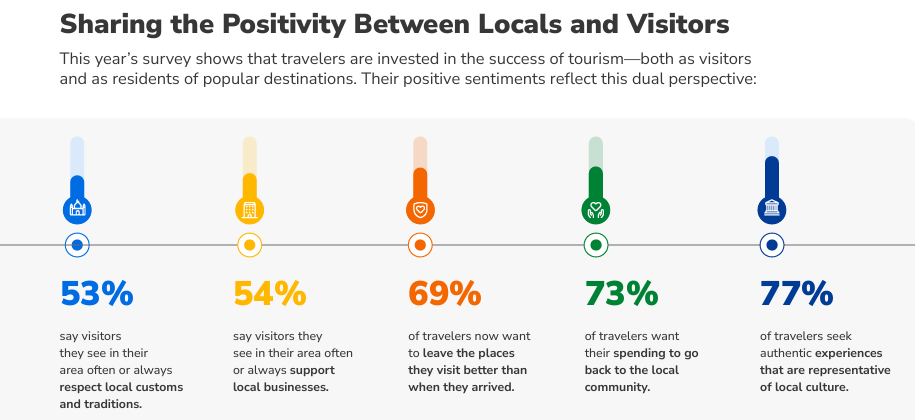
According to Booking.com 2025 research, which surveyed 32,000 travellers from 34 countries, 69% aspire to leave destinations better than they found them, while 73% want their spending to benefit the local community.
In similar research conducted by Booking.com, one in four (25%) said they would be willing to pay more for travel activities that give back to local communities. However, despite the willingness to contribute and connect, 34% admitted they didn’t know how or where to find activities or tours that genuinely have a positive impact on local communities.
This growing desire to support local economies is closely linked to the increasing demand for authentic travel experiences, with two-thirds of travellers (66%) wanting experiences that reflect local culture.
In conversation with Professor Xavier Font about the new ICRT.global methodology and what the certification processes have to offer.
As outlined in the 2022 Responsible Tourism Charter, businesses and destinations face a wide range of issues they can and should address. These include impacts arising directly from their operations, such as greenhouse gas emissions, as well as negative effects on surrounding communities, including overcrowding and litter. However, businesses and destinations must decide which issues to prioritise.
ICRT.global’s new economic benefit methodology offers accommodation businesses a practical way to measure and report their contribution to the local economy.
By calculating the economic benefits generated through wages, local sourcing and local taxation, businesses can produce a local economic benefit figure and publish it alongside their annual accounts, with oversight from their professional accountant.
This approach provides a robust and transparent way to generate reliable data that businesses can use to substantiate marketing claims and demonstrate their economic benefit to neighbouring communities.
Certification alone cannot provide the sufficient evidence for businesses and destinations to claim credits for local sourcing, employment and local taxation. Once the necessary adjustments have been made to their bookkeeping systems, these figures can be calculated and reported annually at a relatively low cost.