


A new study conducted by MMGY Intelligence and commissioned by Mindtrip, Sabre and Sojern has found that the travel industry is lagging behind travellers by an astounding two years, as AI has taken the industry by storm and reshaped the way people plan and book trips.
This pioneering study surveyed over 1,000 US leisure travellers and more than a hundred destination marketing leaders.
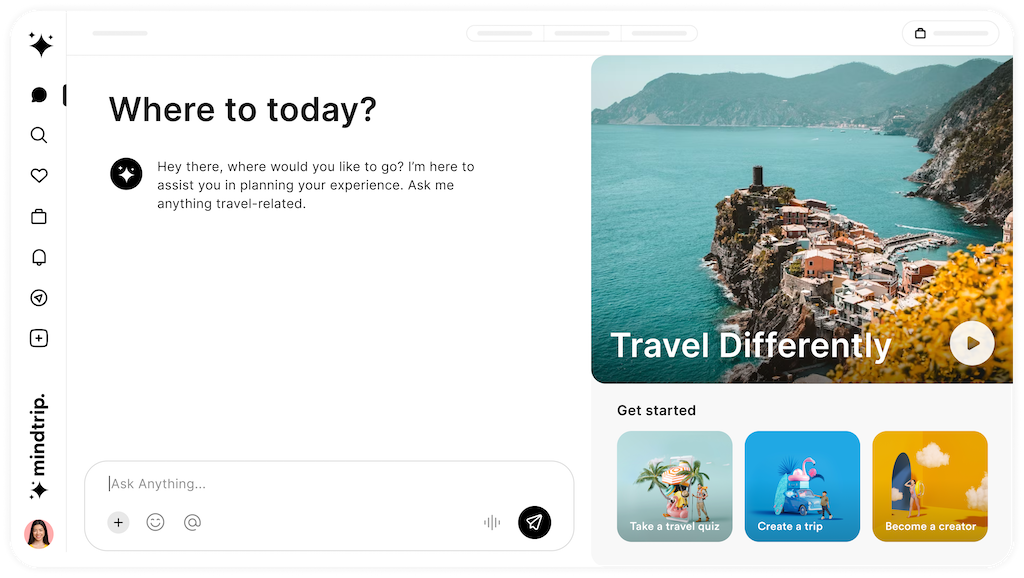
@mindtrip.ai Stop juggling 12 tabs to plan one trip✈️ Mindtrip puts inspiration, itinerary-building, and booking in one place — so you go from "we should go to Tokyo" to a full day-by-day plan in minutes, not weekends. 🔹 Start Anywhere — drop in a TikTok, a screenshot, even a PDF, and watch it turn into a real itinerary 🔹 11M+ points of interest — destinations, hotels, restaurants, and activities backed by real data, not guesses 🔹 Built-in collaboration — invite your travel crew, group chat, co-edit the plan, no 47-text group chains 🔹 Book without leaving the app — flights, hotels, and experiences through trusted partners 🔹 Your trip, organized — receipts, confirmations, and plans all live in one hub, before and during the trip Whether you're planning a weekend getaway or a 3-country itinerary, Mindtrip turns "let me Google this" into "let's go." Plan smarter. Travel better. Mindtrip it. #travelapp #travelplanning ♬ original sound – ★
The numbers speak for themselves. Although 54% of travellers have used AI to plan a trip, and 75% intend to do so in future, only 22% of destination marketing organisations (DMOs) currently offer AI-assisted trip planning on their websites, and just 26% have a documented AI strategy.
The gap is considerable, but not insurmountable yet. AI is advancing quickly, and 72% of DMO leaders admit that organisations failing to adopt it within the next two years risk becoming irrelevant when it comes to destination discovery.
“Travellers aren’t waiting for the industry to catch up”, says Michelle Denogean, CMO of Mindtrip. “AI is already reshaping how people discover destinations, build itineraries and make travel decisions. The organisations that move now have an opportunity to become more useful, more visible, and more valuable to travellers.”
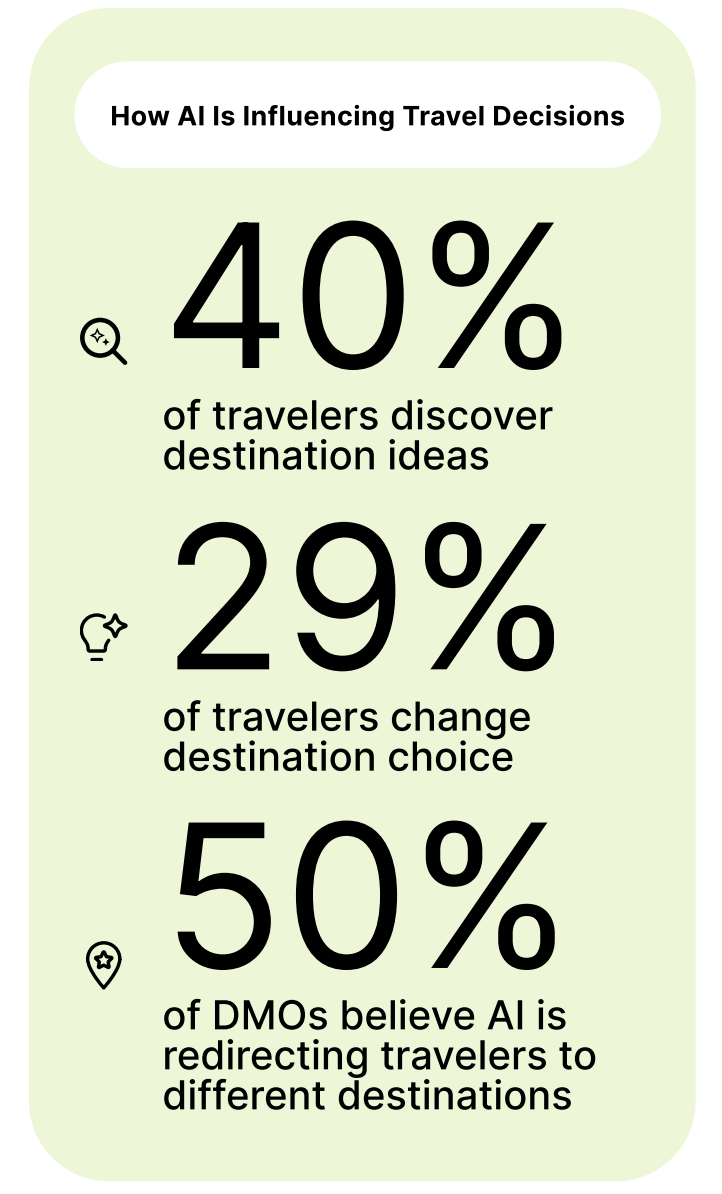
This technology is already influencing where people go. Around 40% of travellers have discovered places thanks to AI, and approximately one-third (29%) have changed their destination based on AI recommendations.
Unsurprisingly, it is the younger generations who are leading this shift. AI is not only competing with social media, it is also becoming an increasingly popular tool for trip planning. In fact, almost seven in ten millennials (69%) and 63% of Gen Z travellers report using AI assistants as frequently as social media for trip planning.
Their use of AI assistants goes well beyond inspiration. Travellers are most likely to use AI to research itineraries (42%), compare flights, hotels, and tours (32%), and find destination ideas (32%). Sixty percent use it to research attractions, restaurants and transport options, 56% to compare prices and 43% to build itineraries and organise trip details.
The discrepancy with destination marketing organisations (DMOs) is staggering here too, as most still focus on inspiration rather than practical planning, and only 20% of DMO leaders see itinerary building as a priority.
“We’re witnessing the biggest shift in travel planning since online booking transformed the industry”, explains Sylvia Weiler, President and GM of Sojern Destinations. Travellers, she adds, now expect AI to guide them at all stages of the travel process, from inspiration to booking. “The opportunity for DMOs is to become the trusted source powering AI-driven travel decisions.”
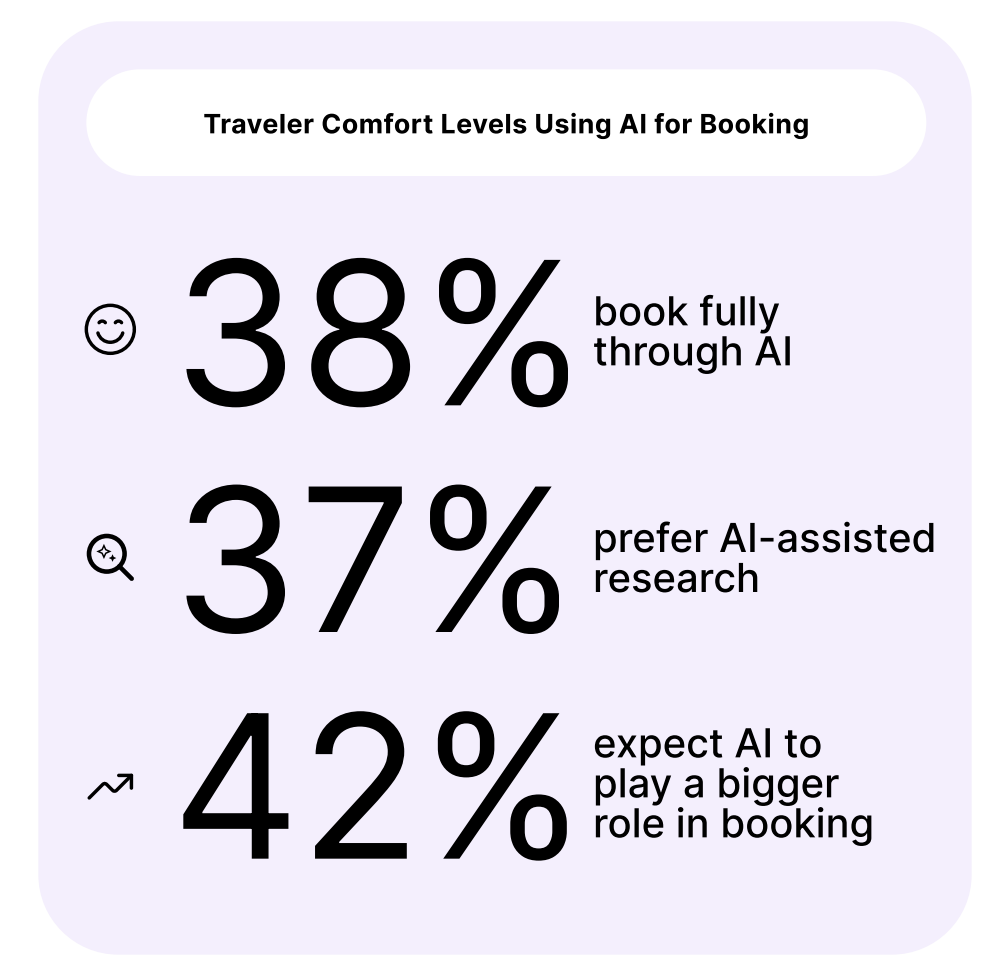
That transition is underway already. More than a third of travellers are comfortable with AI participating in the booking process, with millennials and Gen Z leading the way, although confidence rises when human assistance is available.
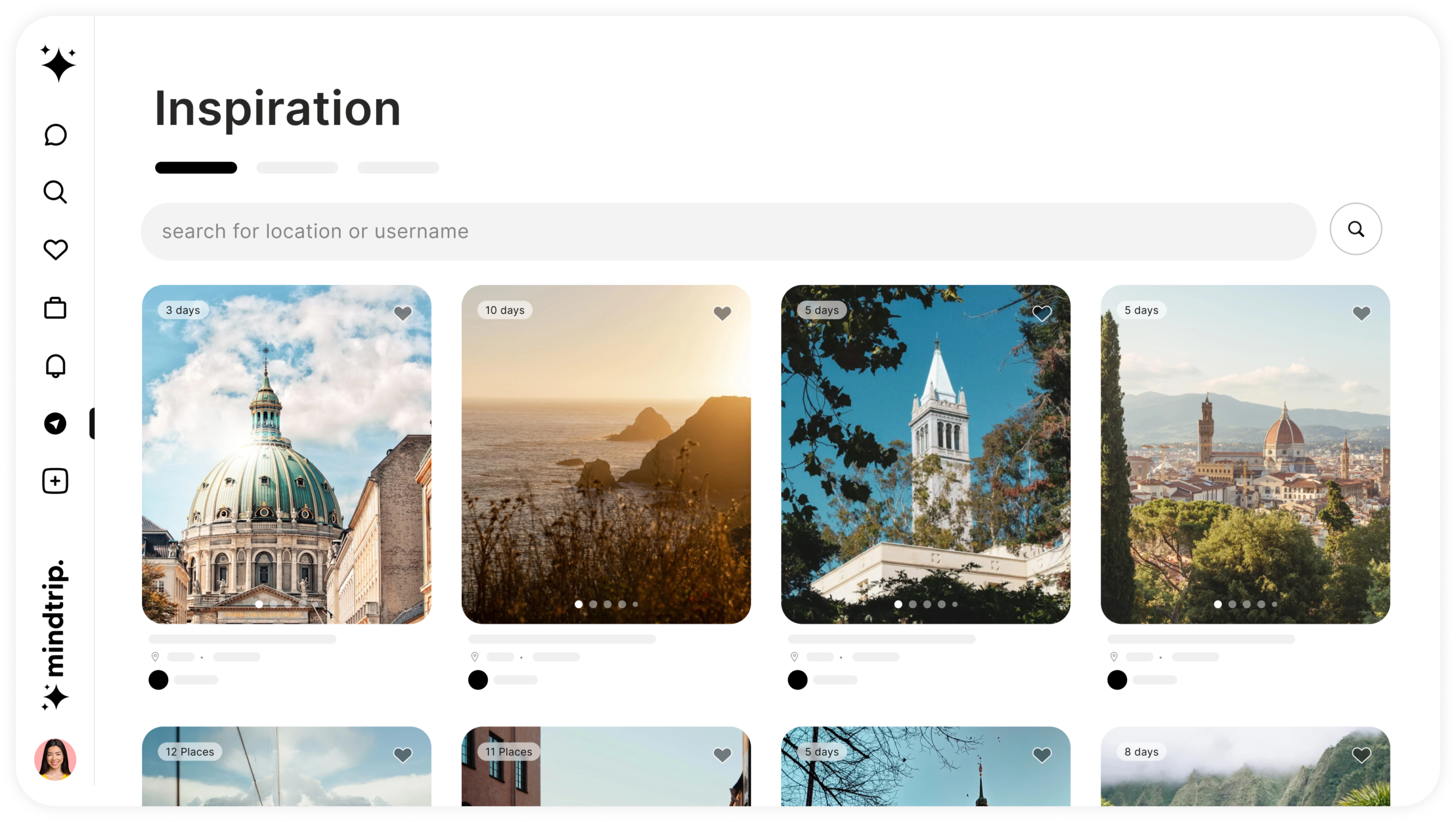
Perhaps more tellingly, 63% say they would use an AI trip planner directly on a destination website, while 25% are less likely to use a site that does not offer AI features. These figures should give hesitant DMOs pause for thought.
There is still time to remedy this, though.
“For destination organisations, this creates an opportunity to extend their role beyond inspiration and become a more connected part of the traveller journey”, said Brad Johnson, Sabre’s Vice president of product management.
AI can no longer be described as a new or optional feature. It has become an integral part of how people travel, and the challenge for DMOs is to embrace this change or risk being left behind.