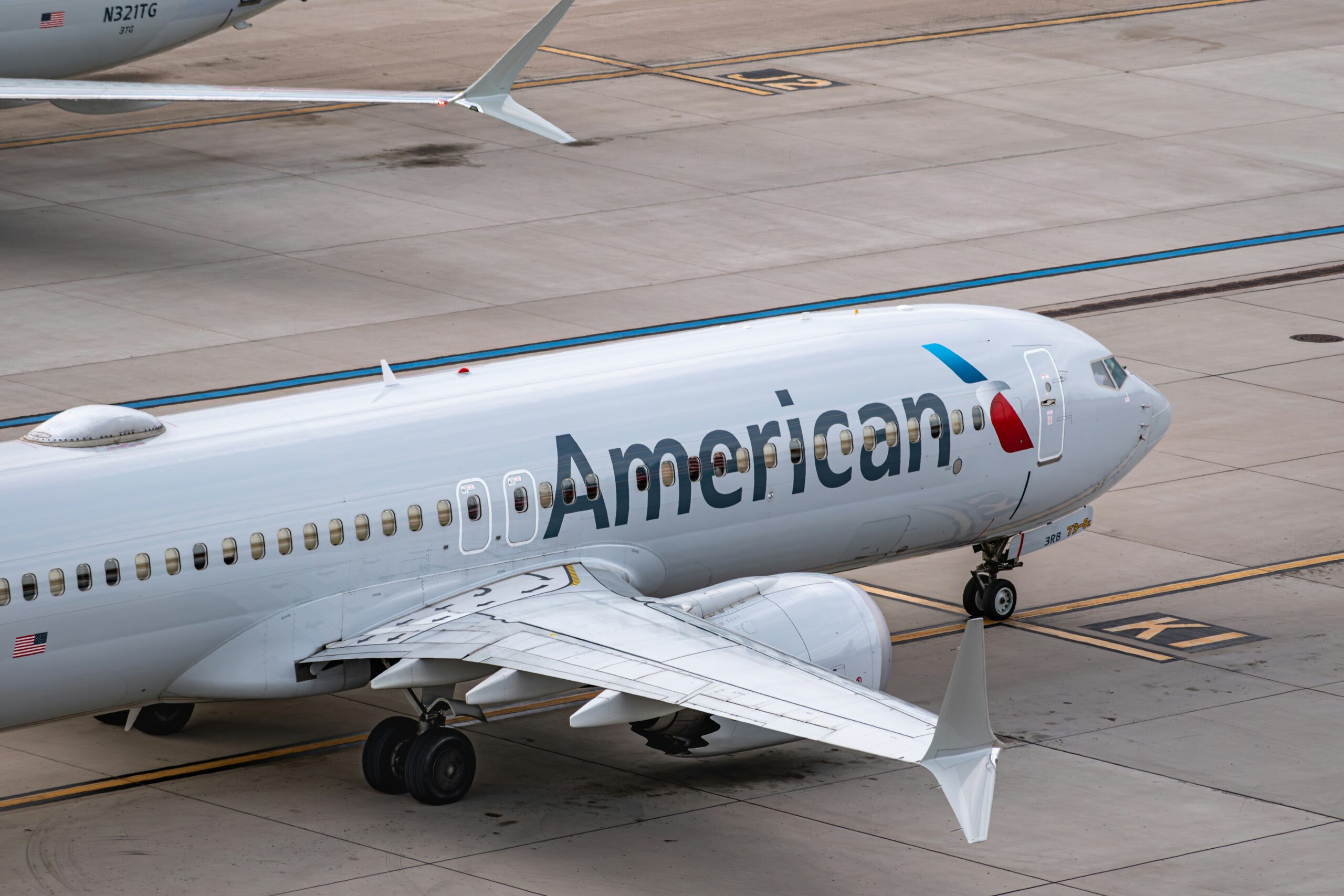



A laptop battery caught fire on an American Airlines plane on 21 August 2026, injuring around five people and causing one person to be hospitalised for burns.
The incident, on board flight number 2398 from Hartsfield-Jackson Atlanta International Airport to Dallas-Fort Worth International Airport, saw flight attendants called upon to contain the fire in a thermal bag.
The fire first came to air traffic control’s attention when the pilot reported smoke had been detected in the cabin. The captain told ground controllers: “I think we have about four to five passengers that were burned by the laptop.” The fire was said to be “contained about mid-aircraft” and the pilot asked air traffic controllers for the best way to proceed: “Once we taxi clear, I guess the best plan to follow is to the gate or any way you guys can board?”
A laptop catches fire mid-cabin on an American Airlines flight coming into Dallas, and the pilot’s calling it in on the radio: “we’ve got about four to five passengers that were burned.” 133 people on board, and it comes down to a device battery going off in someone’s lap.
— Tony Lane 🇺🇸 (@TonyLaneNV) August 23, 2026
Plane… pic.twitter.com/iF9tbozIL0
After the aircraft landed, emergency services attended the plane at the gate and were able to ensure the fire had been dealt with and passengers safely disembarked.
A spokesperson for Dallas-Fort Worth confirmed to media: “American Airlines Flight 2398 landed safely at DFW after reports of smoke from a customer’s device during landing. The airline also issued thanks to its crew for “their professionalism and swift response to quickly contain the device.”
The hazard presented by lithium batteries is now classed as the world’s number one risk to aviation by the UK regulator, the Civil Aviation Authority. They are used ubiquitously in personal consumer electronics, from laptops, to mobile phones, to the chargers and portable battery blocks used to repower them. The technology is prone to “thermal runway” – a chain reaction in which the batteries can heat up faster than they can call down, releasing toxic fumes and igniting.
“Thermal runaway can occur without warning as a result of various factors, including if the battery is damaged, overheated, exposed to water, overcharged, or improperly packed. Thermal runaway can also occur on its own due to manufacturing defects,” the US Federal Aviation Administration (FAA) has warned. The FAA has recorded 58 lithium battery incidents on passenger aircraft so far in 2026.
The UK’s Civil Aviation Authority (CAA) launched a “Pack right. Safe flight” campaign for the high travel season earlier this year, warning air passengers not to pack personal items that use lithium batteries in hold luggage but instead to carry them into the cabin where they can be constantly monitored for overheating.