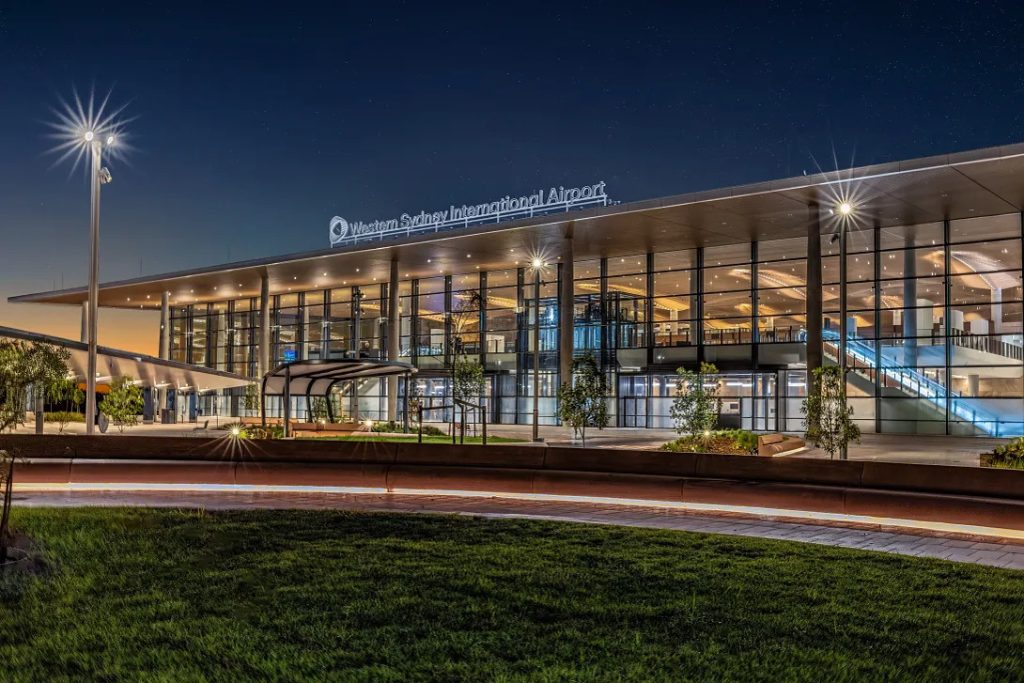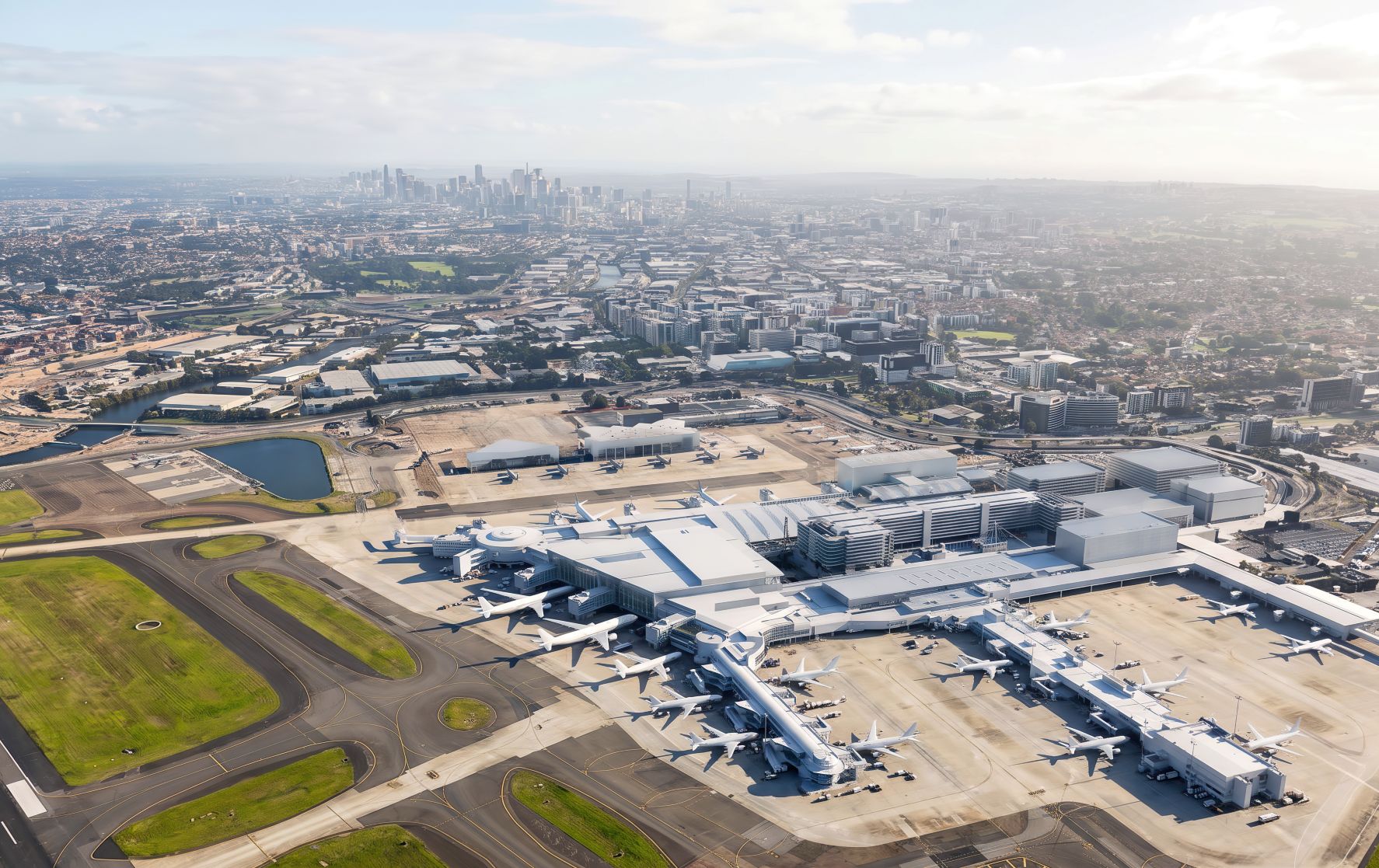


A master plan that will see Sydney Airport able to handle 72 million passengers by 2045 has been approved by the Australian Government, paving the way for two decades of works aimed at meeting future demand and supporting passengers, airlines, freight, tourism, trade and jobs.
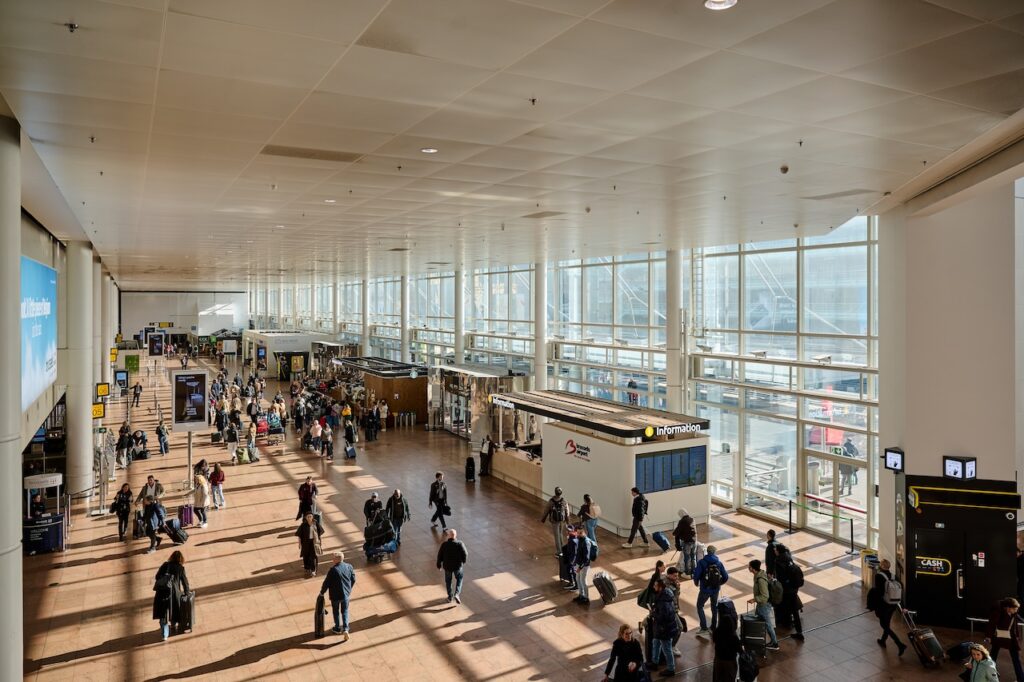
The biggest change outlined in the plan is the proposed creation of a more connected precinct across the domestic terminals, with future international capability, which the airport claims will promote smoother connections and more efficient operations. It builds on an ongoing $200 million Terminal 2 Domestic upgrade, which promises faster check-ins, enhanced security and better facilities.
Other new infrastructure will include extra aircraft parking stands to boost the airport’s ability to handle different types of aircraft and “meet changing travel demands across regional, domestic and international flights,” the airport states in its factsheet.
$70 billion in annual economic activity
As well as improving the passenger experience and supporting airlines through investment in terminals, connections and sustainable operations, the works are expected to increase the hub’s economic activity by 56% to around AUD$70 billion per year and support up to 204,000 jobs by 2045.
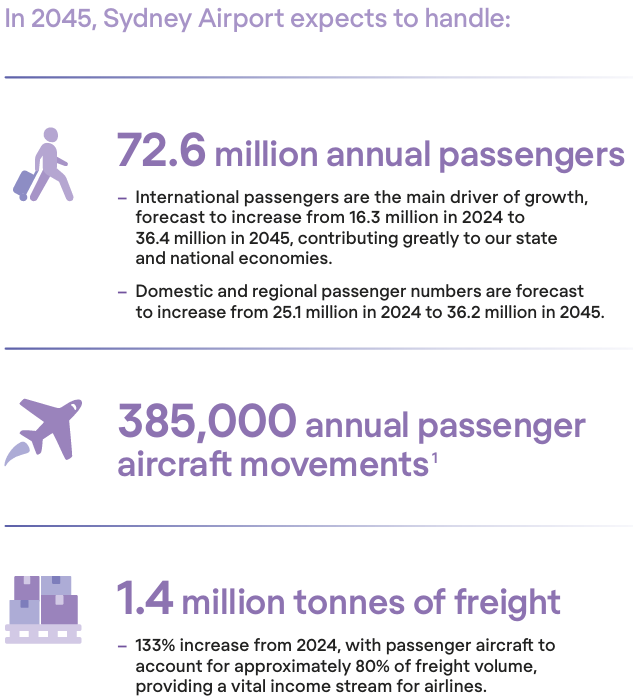
In fact, the airport points out that the contribution to the economy from a single international A380 service is AUD$329 million, supporting 2,100 jobs, while the airport’s overall contribution to GDP is expected to represent around 1.5% of Australia’s annual GDP.
Sydney Airport CEO Scott Charlton said: “As Sydney grows, Sydney Airport must grow with it,” and hailed the approval of Master Plan 2045 as providing “a clear pathway to plan for future demand and invest in the infrastructure Sydney will need.”
He added that the plan includes “a framework for growing sustainably and responsibly, minimising environmental impacts and working closely with the communities surrounding the airport.”
Similarly, the country’s Minister for Infrastructure, Transport, Regional Development and Local Government, Catherine King, said: “Kingsford Smith is Australia’s busiest airport, it must remain fit for the future.”
Safety concerns amid near-miss incidents
The airport has come under criticism in recent weeks amid safety concerns following three near-miss incidents involving aircraft in the space of two weeks. Sydney Airport Union Secretary Robert Car has said cost-cutting and the use of contractors have led to the airport becoming “not safe for the travelling public.”
Asked for comment on the issues, a Sydney Airport spokesperson said safety was and always would be “the first priority” and added: “Australia has one of the safest aviation systems in the world, supported by rigorous oversight from safety regulators, airlines, airports and air navigation service providers.”