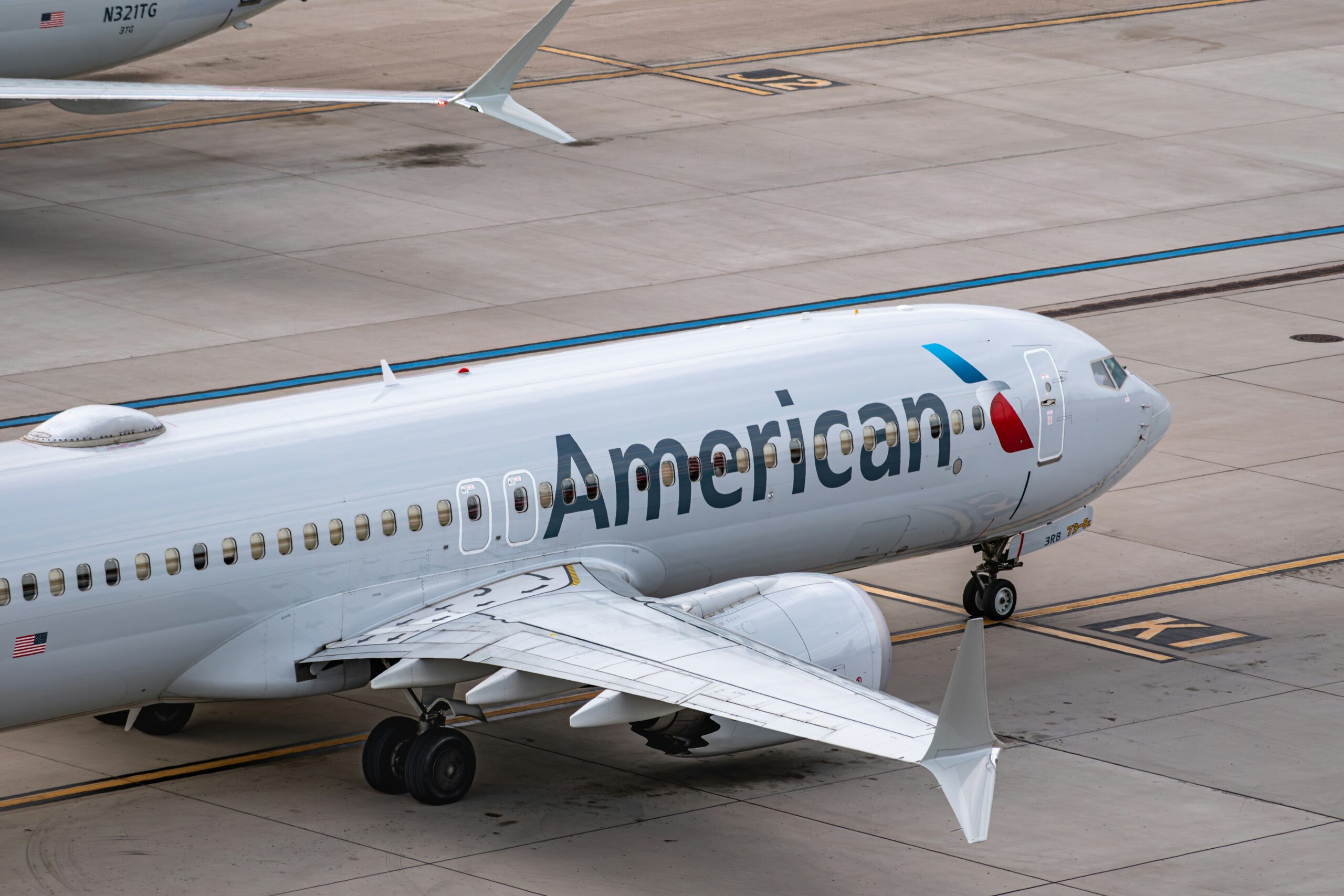

American Airlines is facing criticism over an artificial intelligence system that can rebook passengers before they actually miss a connecting flight. The airline’s AURA system predicts which travellers are unlikely to make their connection and can automatically move them to a later flight. In some recent cases, passengers still reached the gate in time but discovered that their original seat was no longer available.
The problem occurs when the system’s prediction turns out to be wrong. A delayed first flight does not always mean that a passenger will miss the next one. The aircraft may arrive earlier than expected, the connecting gate may be nearby or boarding may still be open when the passenger arrives.
That happened to Marc Thiessen, a Washington Post columnist and former White House speechwriter. His flight to Chicago was delayed, but he still had enough time to reach his connecting flight. When he arrived at the gate, however, he discovered that American Airlines had already moved him to another flight and his original seat had been given to someone else. Media consultant Beverly Hallberg reported a similar experience.
This can put passengers in a difficult situation. They may arrive at the gate before departure, but the airline’s system has already decided that they will not make the flight. The passenger can then be refused boarding even though the aircraft is still at the airport.
AURA stands for AUtomated ReAccommodation. American Airlines introduced the system to automatically handle some passengers affected by delays and cancellations. Instead of airport employees manually changing every affected booking, the system can identify passengers who are expected to miss their connections and move them to another flight.
The system can also make the original seat available to another passenger. American Airlines refers to this as “discovered inventory”. In simple terms, a seat that the system believes will no longer be used can be assigned to somebody else who needs it.
The technology is intended to make the rebooking process faster and reduce the workload for airport staff. American has expanded its use of automated systems in recent years, including its Connect Assist system for managing connecting passengers.
An airport can change quickly, which makes predicting whether someone will make a connection difficult. A flight may arrive earlier than expected or a passenger may move quickly between gates. Boarding can also remain open longer than expected.
This means a passenger who was predicted to miss a connection can sometimes reach the gate in time. However, if AURA has already changed the booking, the original seat may no longer be available.
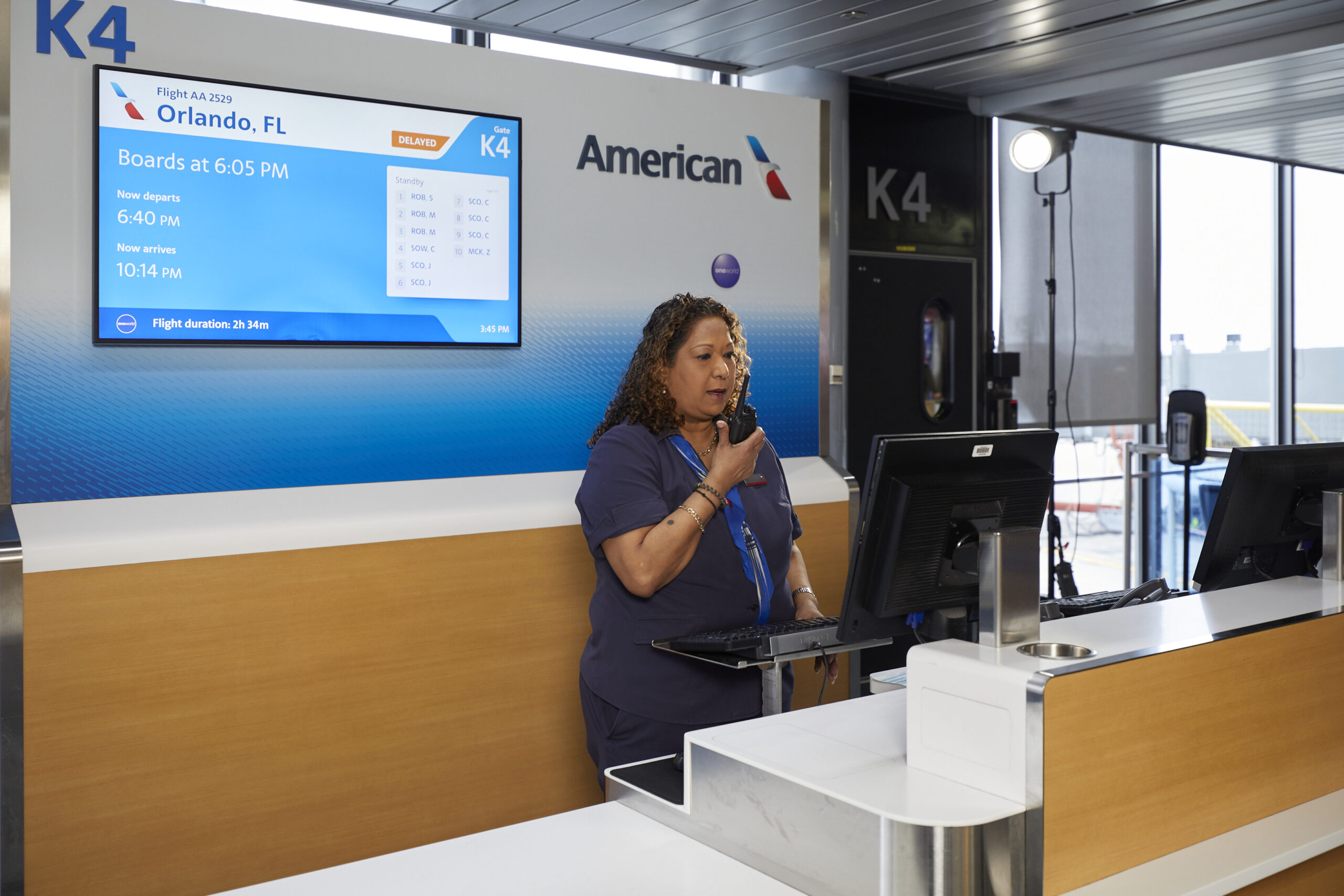
The passenger may then have to contact American Airlines to correct the booking. Hallberg said she had to contact the airline’s ticket office after her reservation was changed. For travellers, this can mean extra waiting and a later arrival at their destination even though they were able to catch the original flight.
Travellers who are refused boarding in this situation may also have rights under US Department of Transportation rules. Passengers can qualify for involuntary denied boarding compensation if they meet several conditions. These include checking in on time, having a confirmed reservation and assigned seat, and being at the gate and ready to board at least 15 minutes before departure.
Other conditions apply, including the length of the resulting delay. For qualifying cases where a passenger reaches their destination more than two hours later than scheduled on a domestic flight, compensation can reach 400% of the one-way fare, up to $2,150 (€1,863).
Passengers should therefore keep evidence of their original reservation and boarding pass if they are refused boarding. They can also ask American Airlines why their booking was changed and whether the situation qualifies as involuntary denied boarding.
Passengers travelling with American Airlines during a major disruption should check their booking regularly. A delayed first flight does not necessarily mean that the connecting flight has disappeared, so travellers should check whether their original reservation and seat assignment are still showing.
If a passenger reaches the gate on time but is told that their seat has been removed, they should ask the airline for an explanation. Keeping screenshots of the original booking and any communication with the airline can also be useful.
If a passenger believes they qualify for compensation but cannot resolve the issue with American Airlines, they can file a complaint with the US Department of Transportation. The incidents involving AURA show that an airline’s prediction about a missed connection does not always match what happens in the airport.