

Mount Olympus, the tallest mountain in Greece and home to the 12 Olympian gods, might be included in UNESCO’s World Heritage List. A decision by the World Heritage Committee is expected before 29 July 2026, after a process that has been going on since 2014.
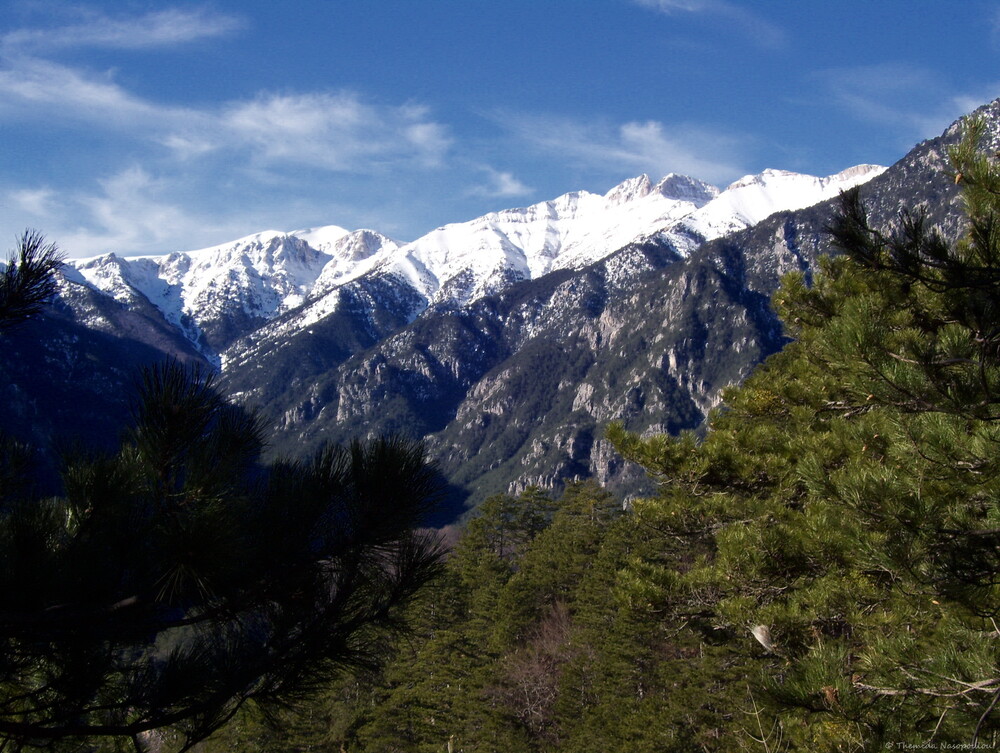
Culminating at 2,918 meters and dominating the surrounding landscape, Mount Olympus has been fascinating the Greeks – and the rest of the world – for a long time. As a home to the twelve Olympian gods, the mountain plays a central role within Greek mythology and culture, while its unique ecosystem gives it an important natural role as well.
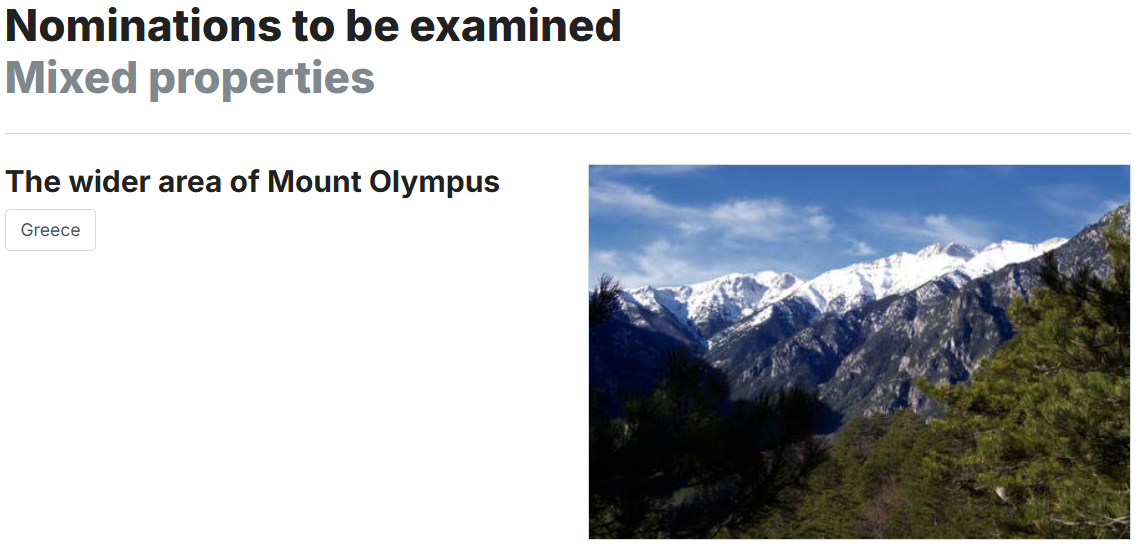
This combination of natural, cultural, and historical meaning bound to Mount Olympus prompted Greece to submit the wider mountainous mass of Mount Olympus to UNESCO’s Tentative List back in 2014. That first step in the nomination process allows countries to then formally apply for a nomination.
However, at the time, UNESCO’s advisory bodies, the International Council on Monuments and Sites (ICOMOS) and the International Union for Conservation of Nature, asked for extra information and motivation. The international significance of the area’s geological features, biodiversity, and ecological processes needed to be clarified, while extra efforts were demanded regarding the mountain’s cultural value, for example by adding the archaeological site of Dion at the foot of Mount Olympus to the submission.
During the 2026 session of the World Heritage Committee, which takes place from 19 to 29 July in Seoul, a decision regarding the inclusion of Mount Olympus on UNESCO’s World Heritage List is expected to be made. At the time of writing, it is still uncertain whether or not the cultural, historical, and natural importance of the mountain will be recognised.
“Mount Olympus is our life. It is the place where we grew up, the place we see every day. At the same time, though, it is a place that carries myth, history, biodiversity, unique natural beauty and enormous cultural significance,” states the mayor of Dio-Olympos, Evangelos Geroliolios.
For decades, a big part of Mount Olympus has been recognised as a national park. Although this designation entails a number of restrictions, such as ‘no swimming’ and ‘no camping’ areas, mountain guide Babis Marinidis, president of the Alpine Club of Litochoro, told the news agency Associated Press (AP) that many visitors choose to ignore these rules. As inclusion on the World Heritage List could possibly lead to more visitors, this should be accompanied by an extensive environmental protection policy.
@sightsofsara Climbing Mount Olympus with @crownofcureope (insta) 🇬🇷🏔️ . . #hikingadventures #outdooradventures #traveltheworld #hikingtrails #greece ♬ оригинальный звук – Chingizkhan
“How many people can this mountain, this ecosystem, bear? I used to be against that (entrance fees and registration of visitor numbers). But now with so many people, I believe some limit must be imposed,” Marinidis told AP.
A decision by the World Heritage Committee should arrive before 29 July 2026, although it remains possible that Greece will need to rework its submission of Mount Olympus. With the release of Christopher Nolan’s ‘The Odyssey’, however, interest in Greek mythology and the mountain’s role in it is likely to rise regardless of UNESCO’s verdict.