

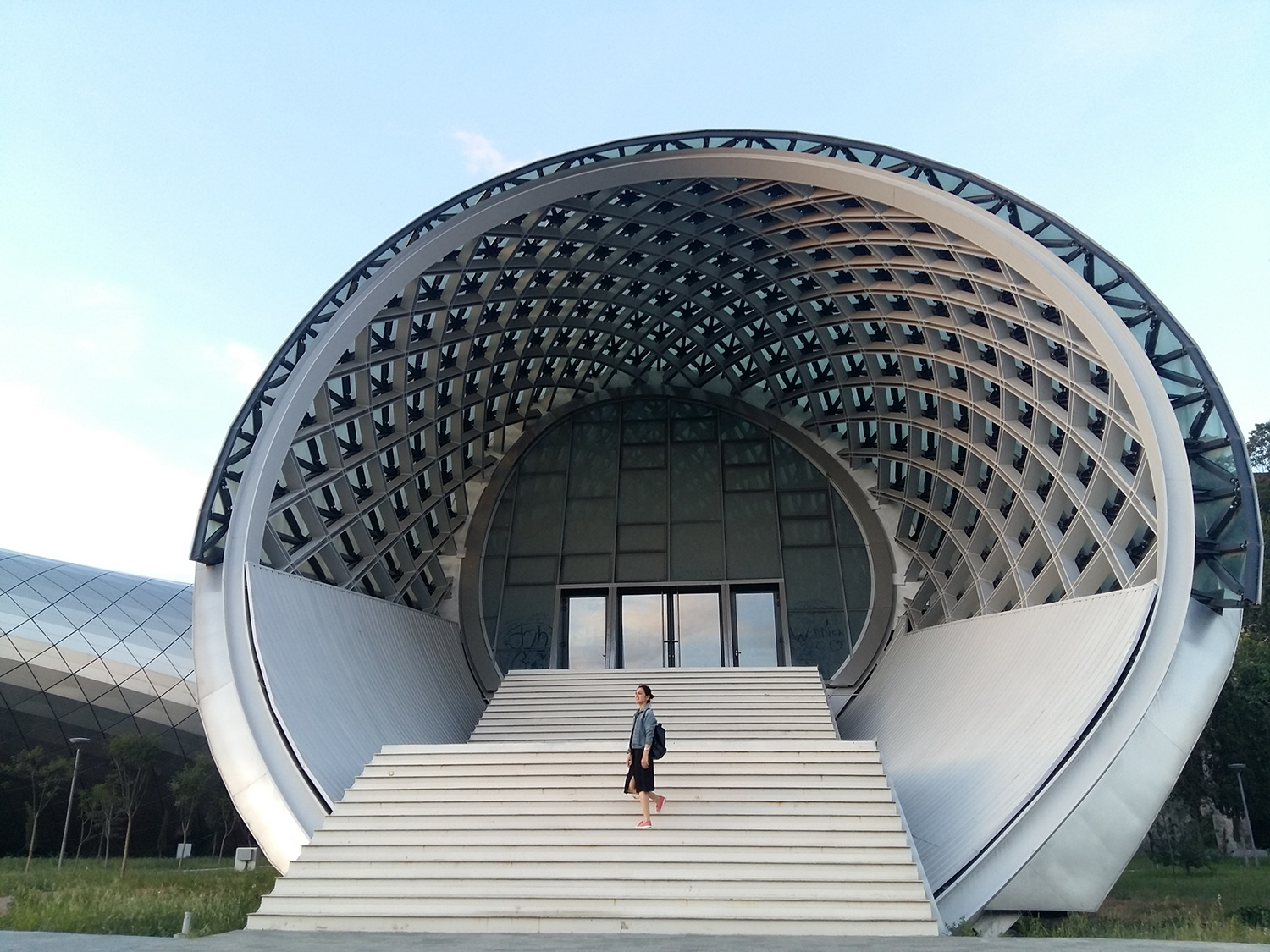
Tbilisi is preparing to demolish its striking, futuristic Rike Concert Hall, which has stood desolate and unused beside the River Kura for nearly 15 years.
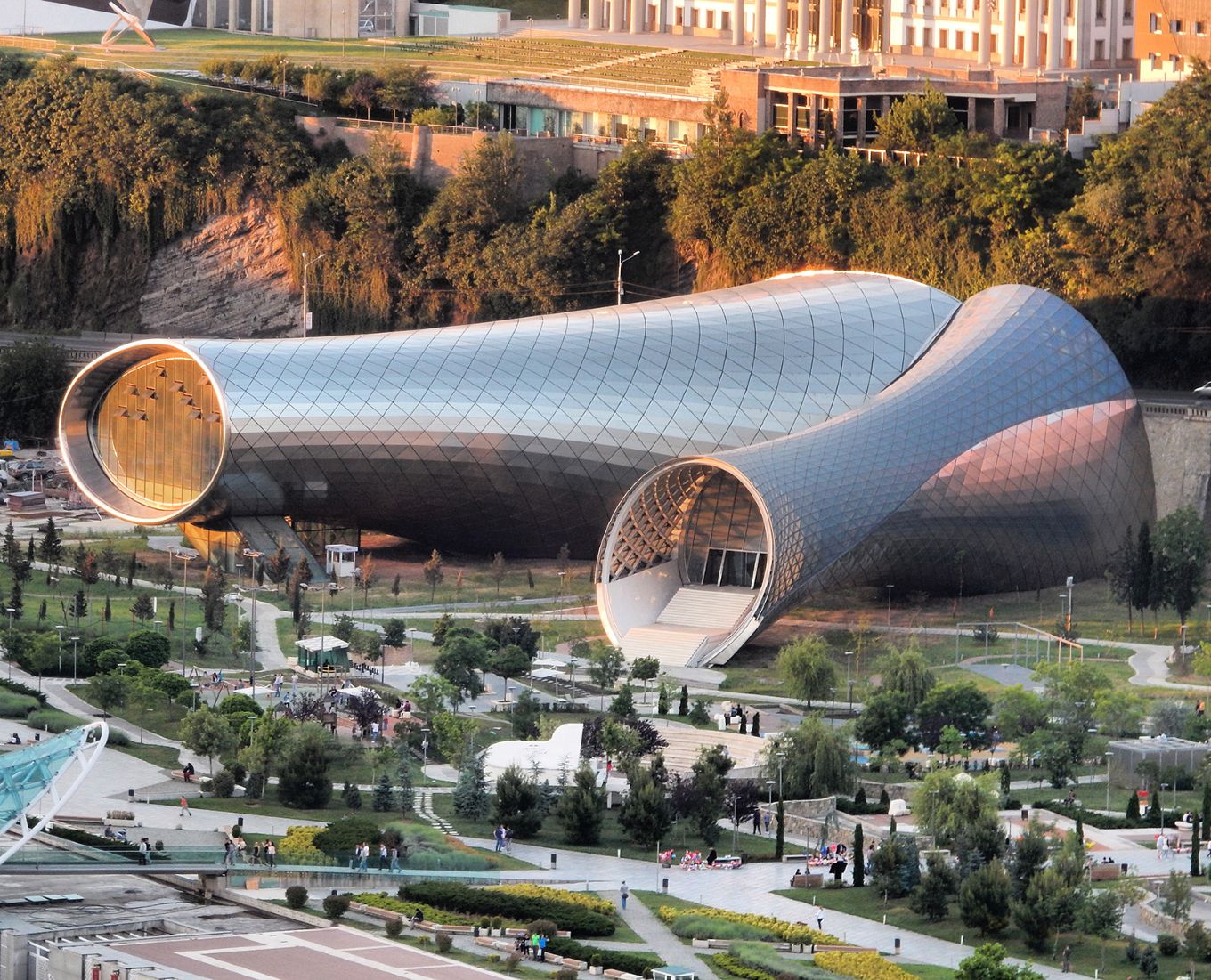
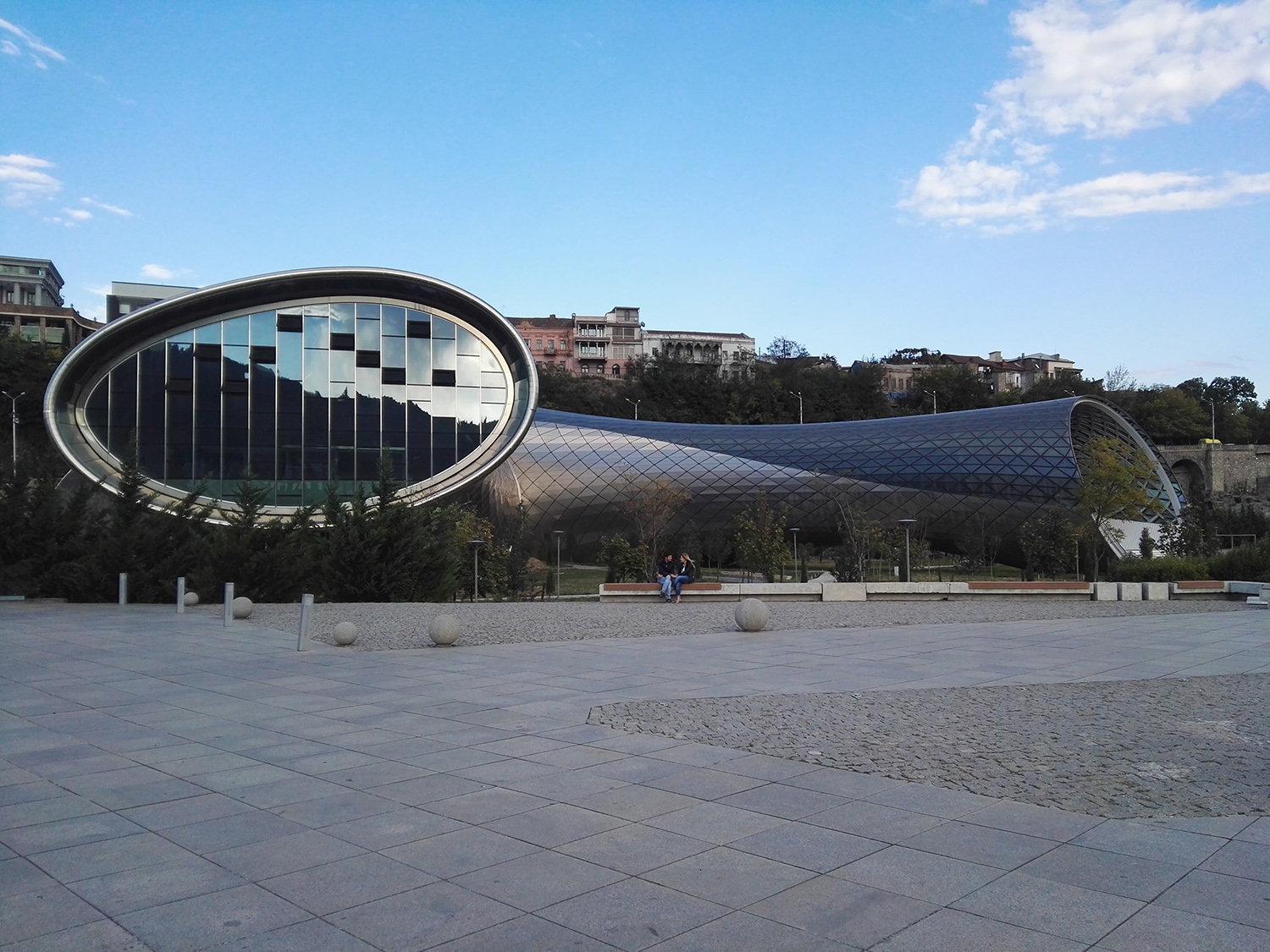
Designed by Studio Fuksas, one of Italy’s most prominent architectural practices, and designed to act like a periscope for the city, the complex was built between 2010 and 2012 in the Georgian capital’s central Rike Park. Its two steel-and-glass tubes were intended to house a 566-seat music theatre and an exhibition hall.
Commissioned in 2011 under then-President Mikheil Saakashvili, it was part of a sweeping urban-renewal drive that brought in international architects to remake Tbilisi’s skyline and project the image of a Western-facing capital in the years after the 2003 Rose Revolution. The project was, however, abandoned when Saakashvili’s United National Movement lost the 2012 parliamentary election to the Georgian Dream coalition.
After several unsuccessful auctions, the Rike complex was eventually bought by a property developer in 2022 for approximately ₾10 million (€3.2 million), having reportedly already cost the public purse ₾75 million (€25 million). It changed hands again in 2025 when it was sold to its current owner, Makro Constructions. The tragic accidental death of a teenager that same year on the abandoned site drew fresh public attention and pushed the demolition on the agenda.
Makro Constructions has now received permission from Tbilisi’s municipal architecture department to demolish the building by 25 December 2026.
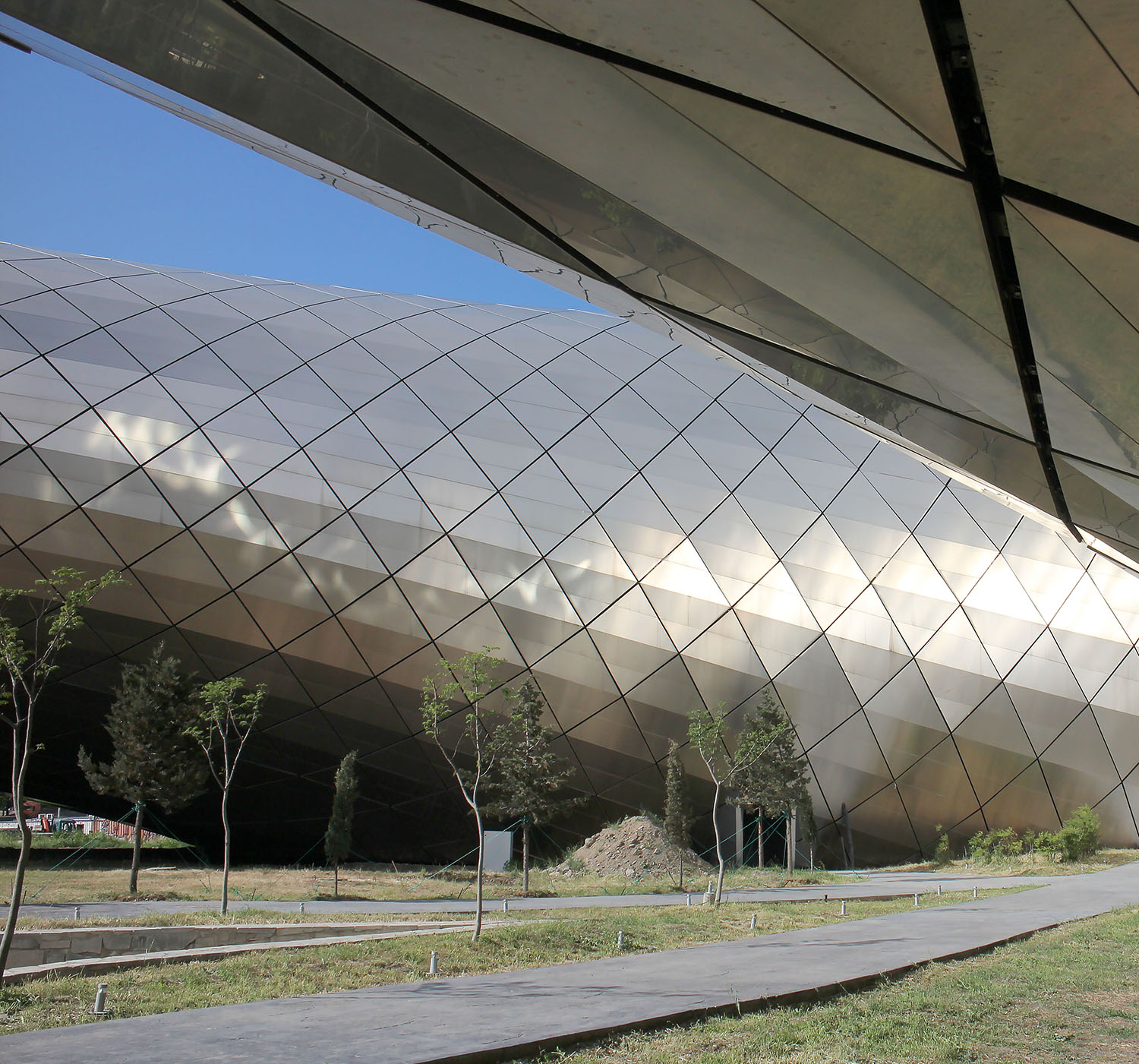
Resembling the tentacles of a metallic octopus reaching toward the river, or perhaps the gigantic, mirrored antennae of a snail, the building gave this part of Tbilisi an unmistakable silhouette. Known internationally as the “Rike Tubes” or, less charitably by the locals, as the “Rike Jugs,” reception was divided from the start. Some saw them as a rare foothold for Tbilisi in international avant-garde architecture, while officials never hid their distaste.
Tbilisi mayor Kakha Kaladze, who told Inter Press News the building was private property that was “absolutely non-functional”. He said the structure had fallen into disrepair, calling it “a garbage dump, in a very bad condition”.
Prime Minister Irakli Kobakhidze was blunter, declaring in May 2025: “I am not an architect, but I think this ugliness is unworthy of our beautiful capital.”
No replacement project has been announced, though a government decree has left room for a hotel on the site. The mayor said he was waiting for a new project to be presented to city hall, adding that given the site’s importance, any future development would need to suit its surroundings.
In a statement issued to Dezeen, Studio Fuksas said it had spent the past year trying, unsuccessfully, to reach Tbilisi officials and the building’s owners with proposals to preserve and repurpose it. The firm argues that demolition would consume further public money; the building was originally funded by the city, rather than capitalise on the investment already made.
“Tbilisi still has the opportunity to transform an unfinished project into a symbol of regeneration, innovation, and international openness. Let this opportunity not be wasted”, they urged in their statement.
It wouldn’t be the first Georgian landmark to end up half-ruin, half-metaphor: our earlier look at Tskaltubo, the country’s abandoned Soviet spa town, traced a similar arc from utopian ambition to political abandonment to slow decay.
Some see the Rike demolition as one more visible symbol of Georgia’s post-Rose Revolution turn toward Europe, torn down under a government widely seen as steering the country back toward Moscow. Others point out that a vacant building on prime parkland in the city centre was always going to come down eventually, politics aside.