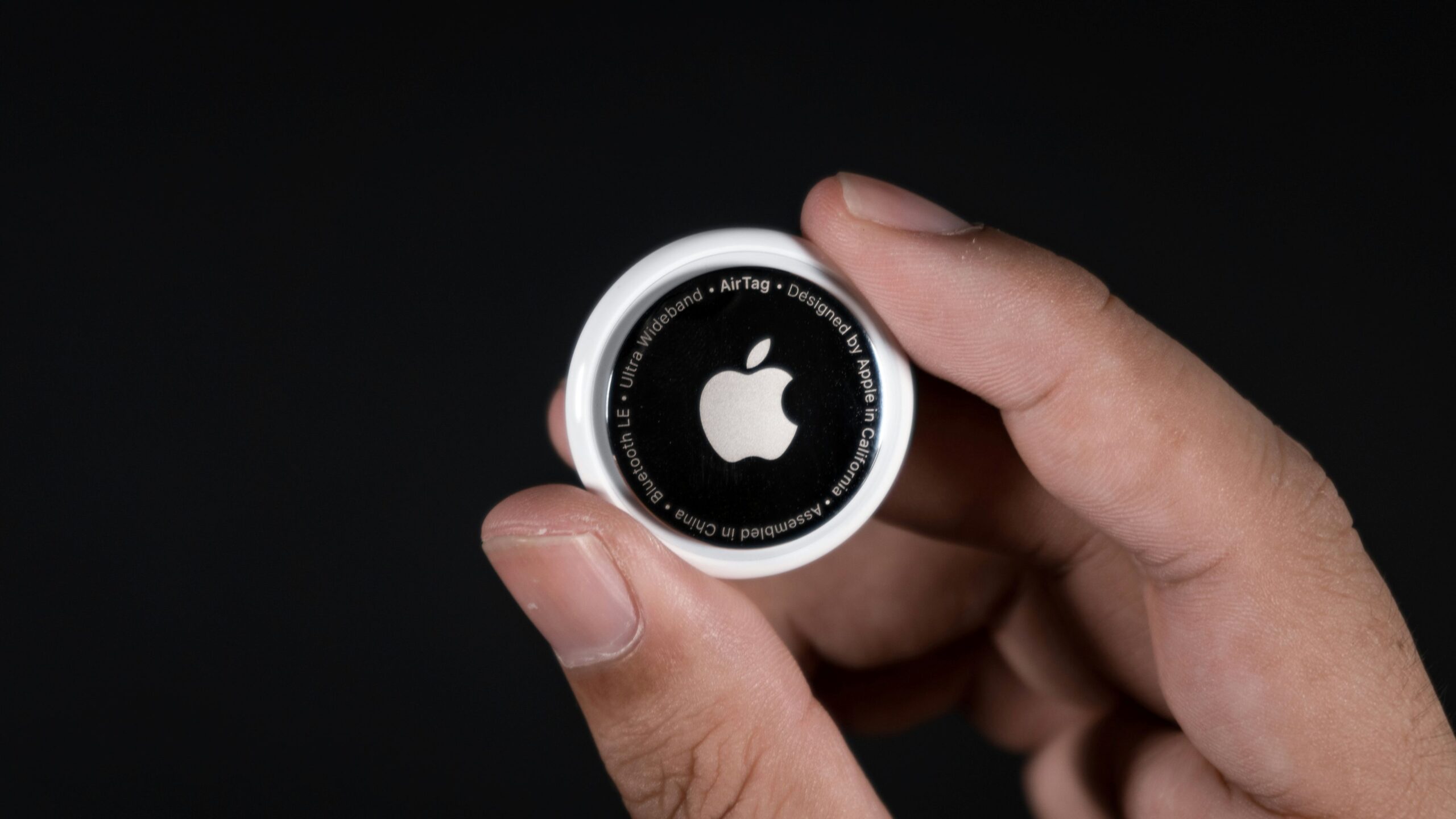



Airline baggage tracing firm SITA has reported a 90% reduction in unrecoverable luggage since its integration of Apple AirTag technology. The Apple AirTag Find My ‘Share Item Location’ system was adopted by SITA’s WorldTracer in 2024. Now, the most recent SITA review of its performance across the initial 29 airlines involved reveals a significant improvement in the number of recovered passenger bags.
A whopping 90% of bags using smart tags were recovered in 2025, and recovery is getting speedier too: airlines using the tech have also benefitted from a 26% reduction in the time it takes to retrieve delayed bags. Overall, mishandling rates and total mishandled bag volumes fell 23% and 19%, respectively, in 2025, better than at any time (excluding COVID-19’s aviation shutdown).
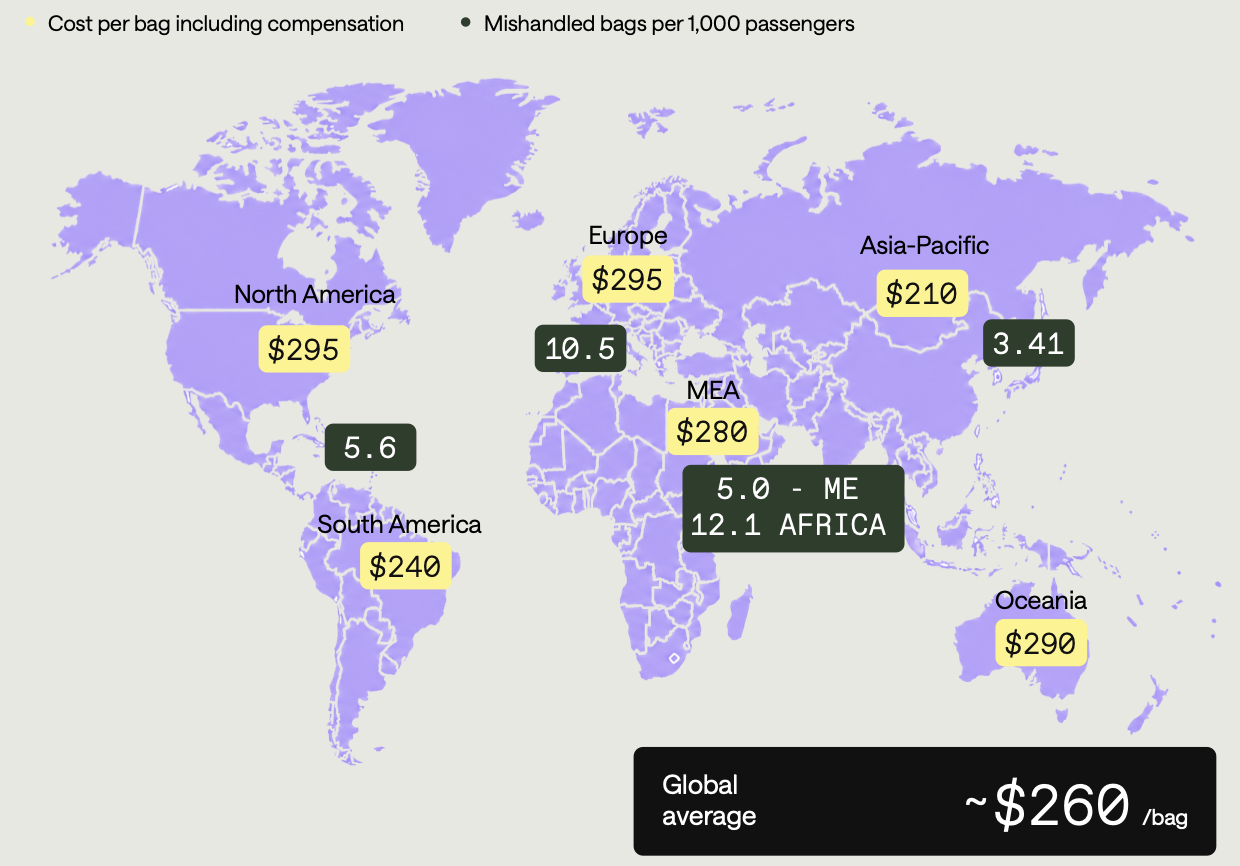
Although baggage mishandling rates have been steadily dropping for years, SITA notes that poor luggage management still costs airlines $6.3 billion (around €5.5 billion) annually, a figure that swallows 15% of the aviation industry’s total profits (of $41 billion in 2025).
For a sector where margins are notoriously low, and unpredictable overheads such as fuel costs can prove existential, reducing the burden of lost baggage outlay is vital, and products such as Apple’s AirTag (and Google’s Find Hub, which SITA also uses) can make all the difference to bottom lines. Take-up is massive: a baggage automation system used by 500 airlines and 2,800 airports.
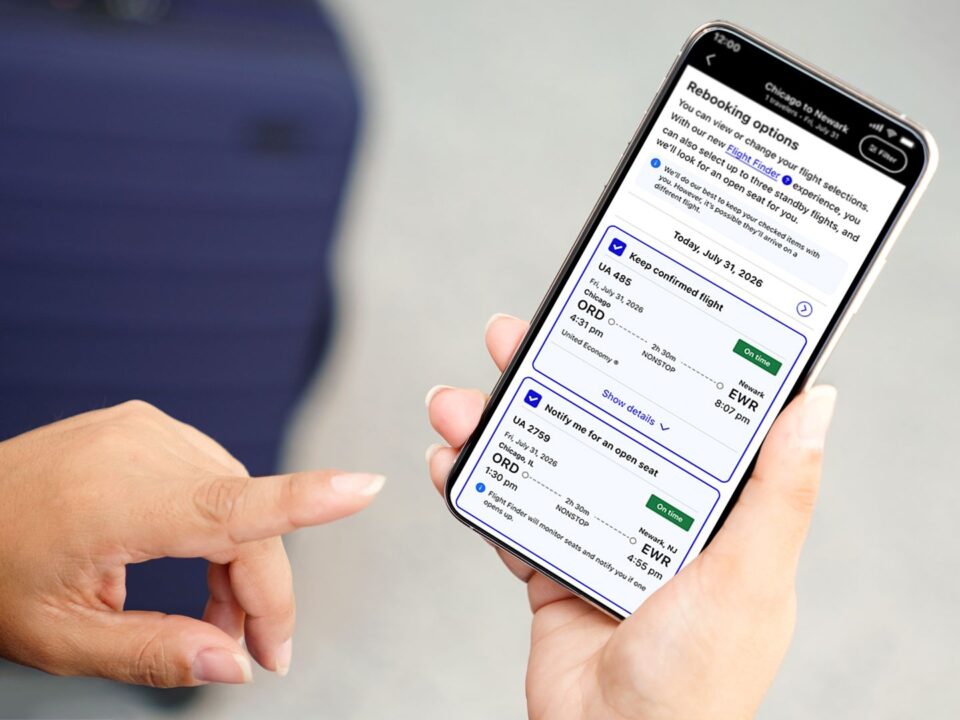
Passengers, however, remain in control of the process. First, passengers need to have bought into the Apple AirTag or Google Find Hub product range. If their bag goes missing, they can then choose to share data temporarily with airlines, which taps into the WorldTracer ecosystem. The geolocation data for the baggage is checked against airport site blueprints, enabling users to see the terminal, room, and even the loading unit or caged pallet where the lost item can be found.
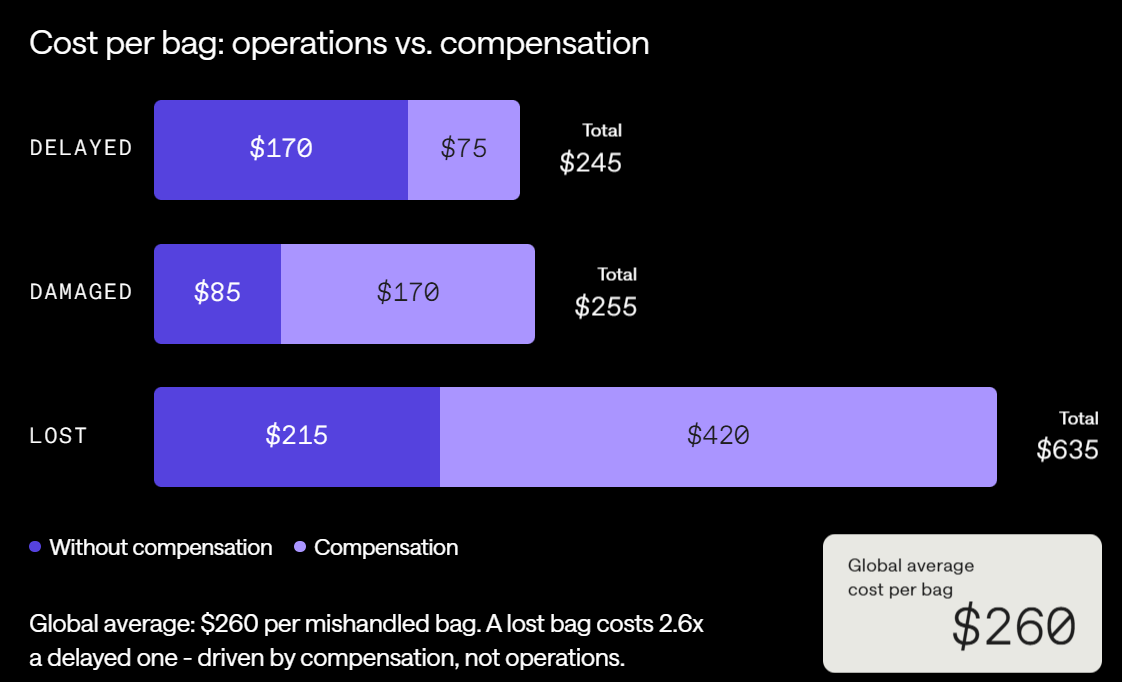
Speaking to Aviation World, Nicole Hogg, Portfolio Director, Baggage at SITA, pointed to the way technology is compensating for human shortcomings. “What we are seeing is a move from manual tracing to clearer, data-supported recovery. When passengers choose to share their bag’s location, airlines gain insight at the moment it matters most. This reflects how baggage recovery is becoming more transparent, more collaborative, and more precise.”
Apart from the system’s comprehensiveness and precision, its worldwide nature also helps to mitigate regional differences in baggage handling (or mishandling) rates. Europe suffers more mishandled bags than any other region, partly due to the large number of international transfers (a known pain point) that take place there, and partly due to older European airport infrastructure. Smart luggage tags can then help European airlines and airports make savings on lost baggage compensation, which can eventually be passed onto consumers.
The next step for SITA, according to CEO David Lavorel, is to go further with artificial intelligence and anticipatory analytics, to allow society to “get more out of the airports we already have,” at a time when the expansion of aviation infrastructure is controversial.