

Following the publication of an official report on the French air traffic control provider DSNA, Ryanair is calling on France’s government to take action in order to prevent structural cancellations in the future. Uncapped recruitment, guaranteed protection for overflights, and shorter training times are some of the proposed points of action.
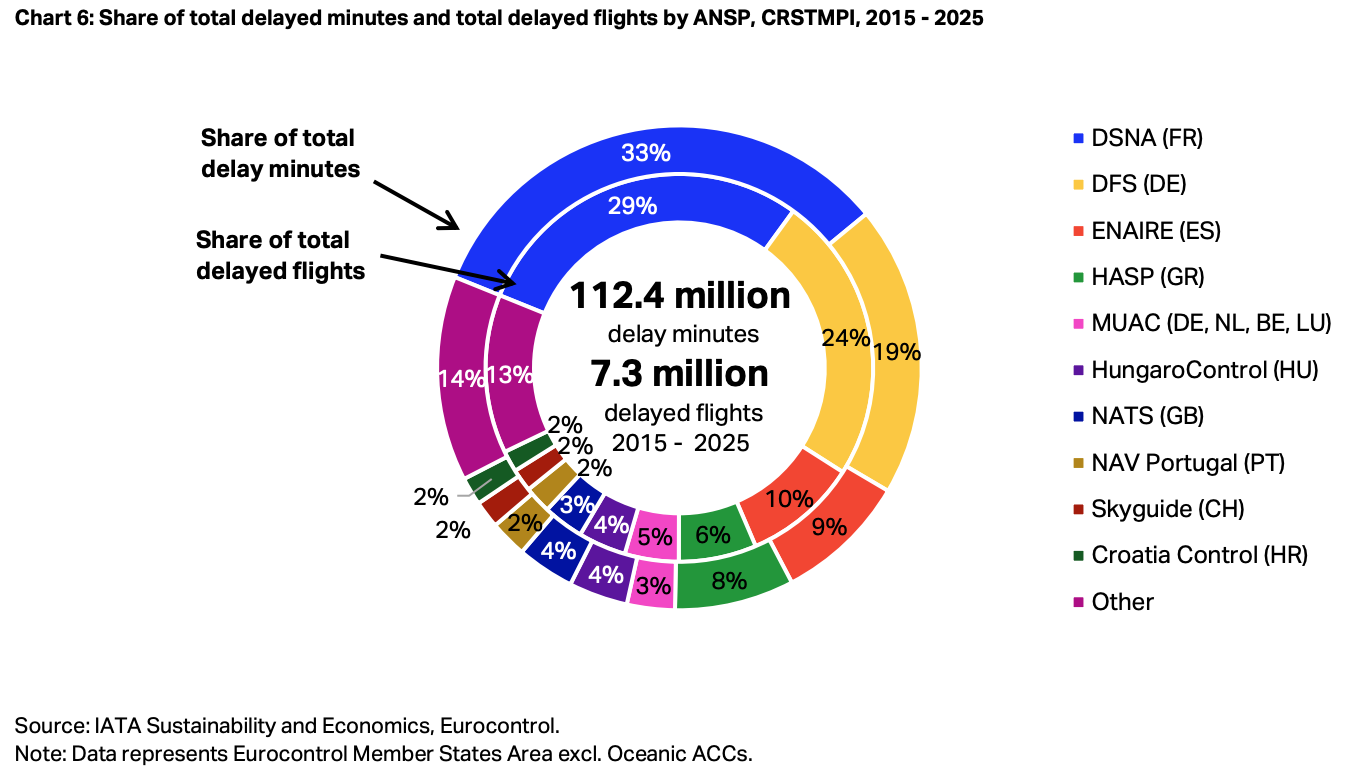
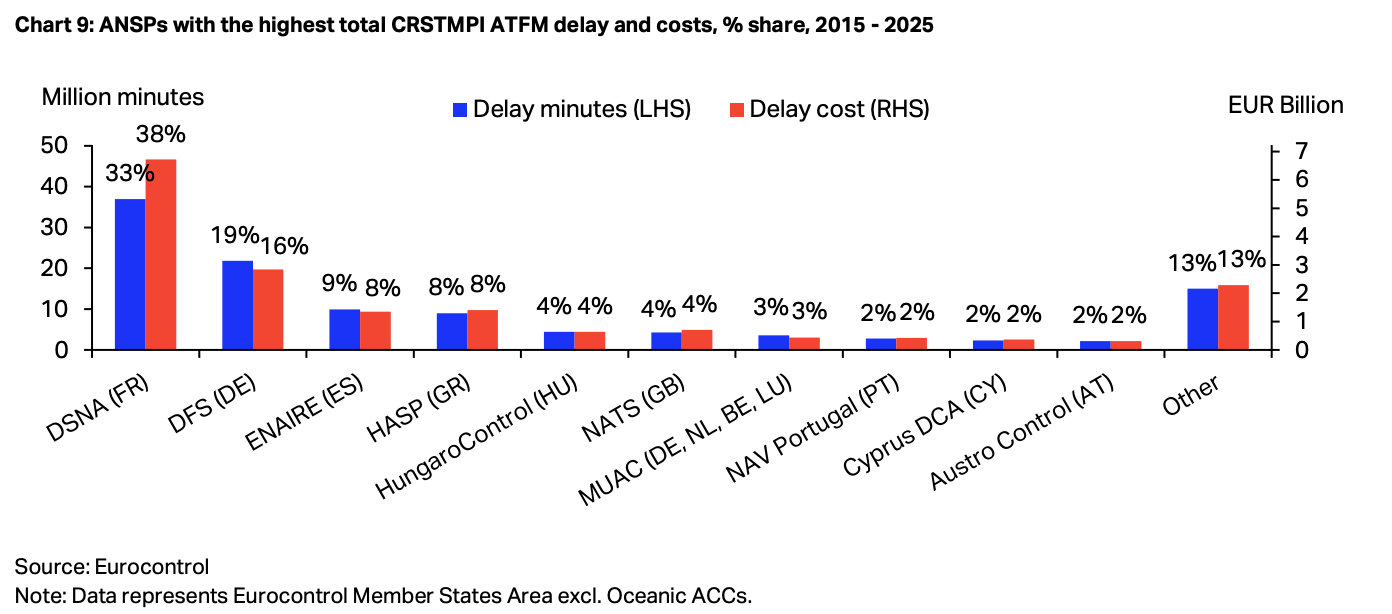
On 23 June 2026, a report called ‘Les points de blocage de la performance de la direction des services de la navigation aérienne et les moyens de les surmonter’ (‘The problems affecting the performance of the DSNA and how to overcome them’) was published by senator Vincent Capo-Canellas. The document is clear: France’s air traffic control is the worst in Europe, with 6.6 million minutes of flight delays in 2025, resulting in a loss of €800 million for airlines and significant inconvenience for passengers. By 2035, this could be up to €1.7 billion.
The report mentions that Eurocontrol, the pan-European civil-military organisation dedicated to supporting European aviation, believes France could become a weak spot within Europe’s airspace, a projection underlined by the fact that 30% of France’s air traffic controllers are set to retire between 2029 and 2035. With France acting as an important overflight country, the consequences are likely to lead to structural cancellations throughout the continent.
In a letter published on 2 July 2026, Ryanair uses the publication of the report as a lever to urge the French government to take action and to reform the DSNA.
“This French Senate report confirms what airlines and passengers have known for years – French ATC Europe’s weakest link: woefully mismanaged, understaffed, underproductive and still using technology that belongs in a museum. It is extraordinary that France is still using paper flight strips and outdated radio systems while its so-called modernisation programme is more than a decade behind schedule. This is not bad luck. This is not a funding problem. This is a management failure,” stated Ryanair’s Chief Operations Officer, Neal McMahon.
Some of the action points put forward by McMahon include uncapped controller recruitment to 2030, shorter training times, better rostering, improved productivity, and a dedicated budget that ensures ATC charges are reinvested in modern systems and capacity.
This aligns with the recommendations put forward by Senator Vincent Capo-Canellas in the report, who structured the measures that need to be taken into three themes.
- To prevent France from becoming a major bottleneck within the European airspace, and given that the aviation sector self-funds the system, it is necessary to ease the budgetary and staffing constraints that weigh on air traffic control.
- In return, the DSNA must make new, concrete commitments to enable French air traffic control to return to an acceptable level of performance, whilst ensuring complete transparency regarding the assessments of the effectiveness and efficiency of each of the measures taken with this aim in mind.
- The DSNA must manage and address the issues of technical obsolescence that affect air traffic control.
The call for action published by Ryanair also mentions a guaranteed protection for overflights during French ATC strikes.
“It is also unacceptable that French ATC strikes continue to cause unnecessary disruption to overflights between two non-French countries. France already protects domestic flights during ATC strikes through minimum service rules, yet passengers flying over France, for example between Ireland and Spain, or the UK and Italy are still unfairly delayed or cancelled. The French Govt and the EU Commission must now protect overflights during French ATC strikes, while respecting the right of French ATC unions to strike. (…) The time for excuses is over. The time for reform is now,” wrote Neal McMahon.
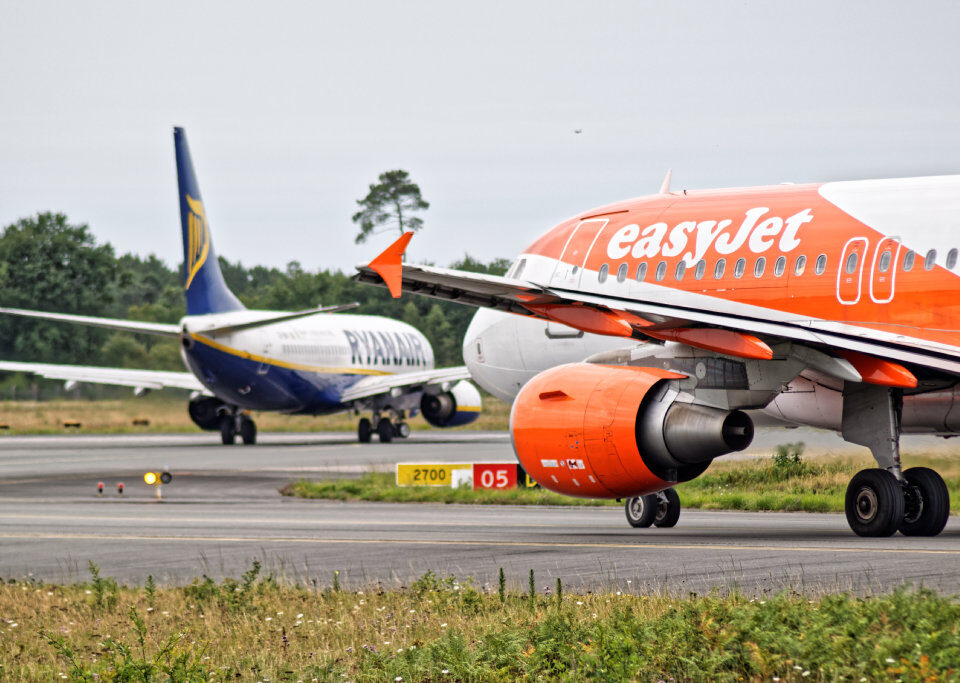
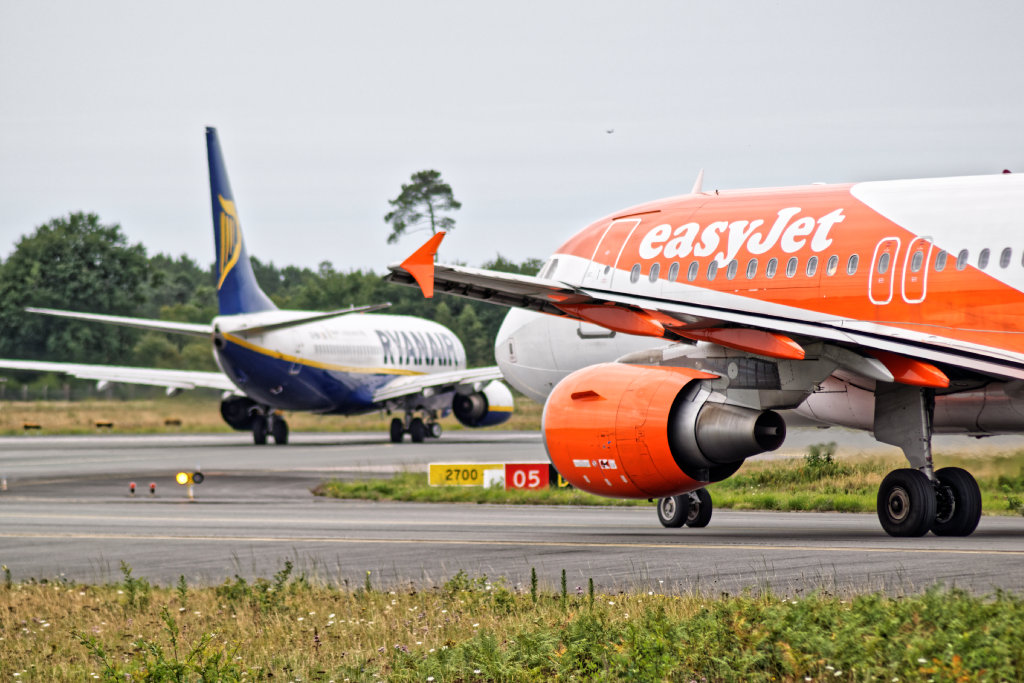
When French air traffic controllers go on strike, this regularly creates a wave of chaos throughout the European airspace. In the past, Ryanair and easyJet have already called on the EU to intervene and ensure a continued service.