

Barcelona’s political class is in favour of nearly tripling the tourist tax on cruise ships, but the Catalan parliament still needs to sign off before the change can become law.
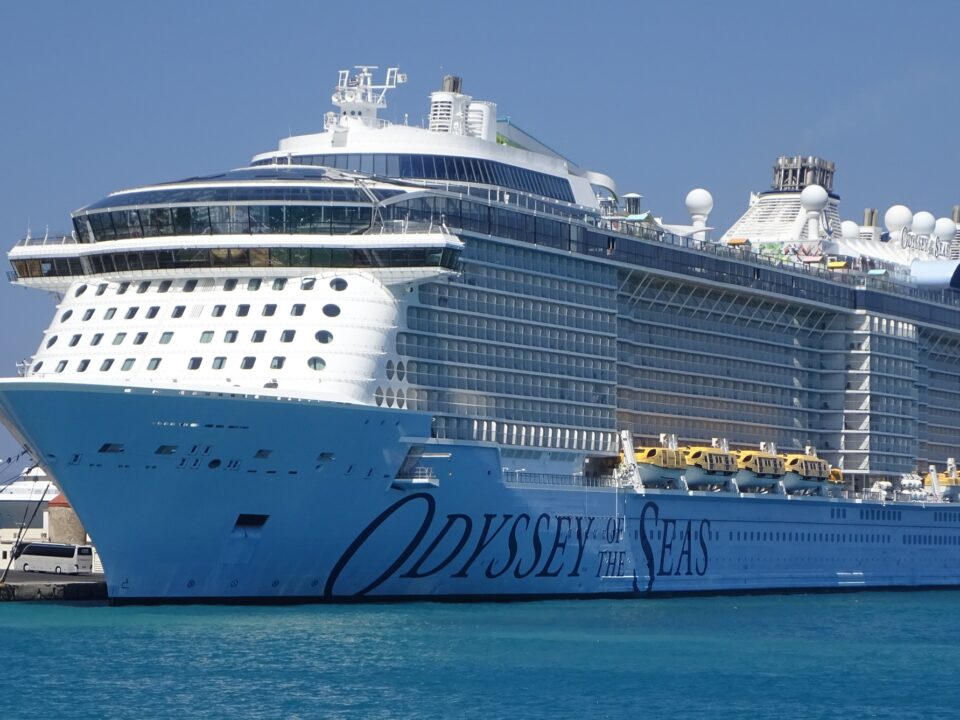
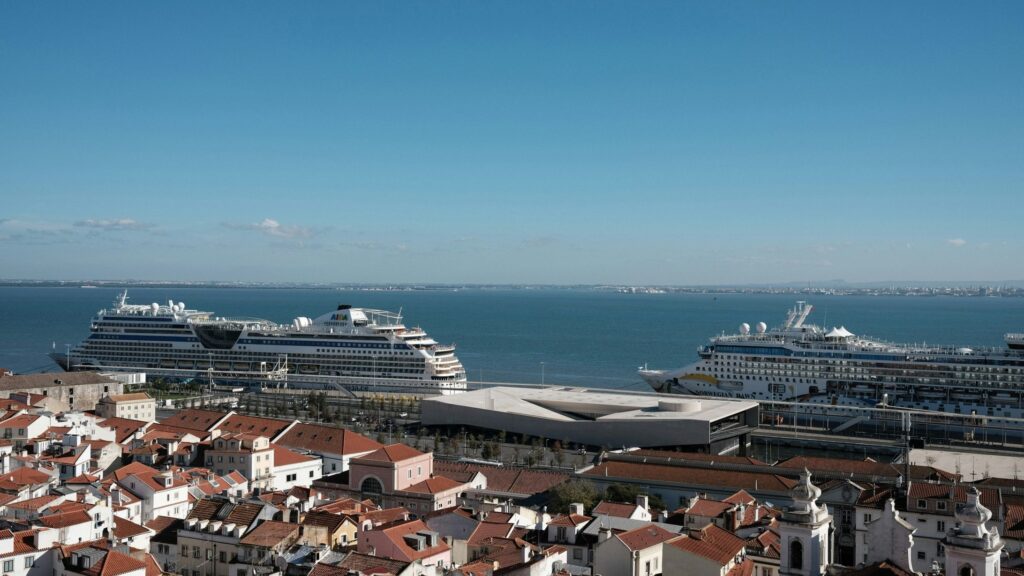
The proposed levy, advanced by the left-wing Barcelona en Comú (BComú) and the pro-Catalan independence Esquerra Republicana de Catalunya (ERC), with the backing of the governing Socialist Party of Catalonia (PSC), would raise Barcelona’s cruise tourist tax to €30 a day, a clear sign that local politicians are looking to curb the impact of the thousands of tourists who disembark from ships during the busy summer months and who, critics argue, contribute relatively little to the local economy compared with the disruption they cause.
The tax currently stands at €11 a day for stays of 12 hours or less, made up of a €5 municipal surcharge and a €6 regional levy. Under existing regional law, Barcelona’s city council cannot charge more than €8 of its own; the new agreement would lift that ceiling to €24, taking the combined tax to €30 once it clears parliament.
The increase would apply only to cruise ships stopping at the port for less than 12 hours and would not affect cruises beginning or ending in Barcelona, as these are considered to have a more positive economic impact on the city.
The parties behind the rise have differing visions of what the tax should achieve in the longer term. Marc Serra, of the left-wing BComú, said the increase should not be aimed solely at raising revenue but should also act as a deterrent to this type of tourism and send a clear signal about the role the city wants cruise tourism to play.
BComú councillor Carol Recio announced at a press conference last Monday that her party and ERC had reached an agreement with the PSC-led municipal government.
“Collboni says a lot, but does little or nothing,” Recio said, criticising the mayor for decrying the city’s overcrowding while simultaneously striking a deal with Junts on a Usage Plan for Ciutat Vella that, in her view, favours tourism-oriented businesses.
Other parties would prefer Barcelona to impose a hard cap on the number of ships it receives. The council, however, has so far rejected setting an annual passenger limit, considering it more complicated to implement than raising the tax, a position that saw the pro-Catalan independence Junts, the conservative People’s Party (PP) and far-right Vox vote against the increase.
The measure now needs to clear the Catalan parliament as an amendment to the law accompanying the Generalitat’s 2026 budget, with a vote expected on 2 July.
Cruise tourists make up just 2.5% of the city’s daily visitors off-season, a figure that climbs to 7.5% during peak season. They typically spend an average of 5.7 hours in the city.
In its push to capture more value from a tourism sector it says is overwhelming Barcelona, the city has introduced several measures in recent years, from phasing out short-term rentals such as Airbnb to increasing overnight tourist taxes. Both the regional tourist tax and the municipal surcharge were raised again in April this year, putting Barcelona among the highest-taxed cities in Europe for visitors.
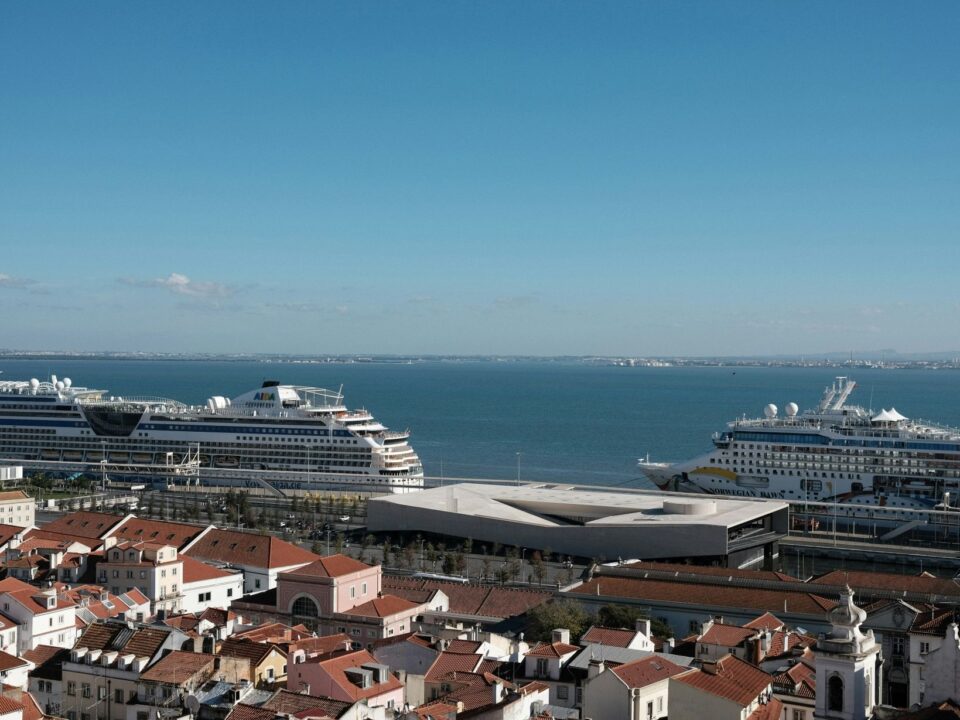
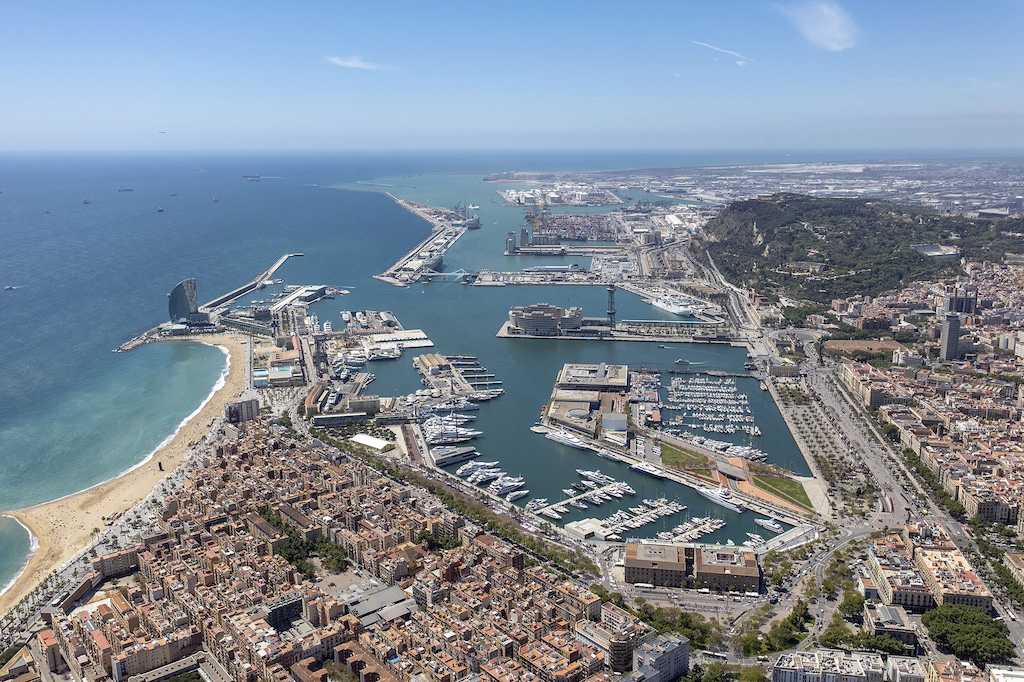
Last year, plans were also unveiled to cut the number of cruise terminals at Barcelona’s Adossat wharf from seven to five, reducing the port’s simultaneous cruise capacity from 37,000 to 31,000 passengers by 2030.
The three oldest terminals will be demolished and a new terminal built in their place as part of a wider reorganisation of the port.
Passengers travelling this summer should not be affected by the changes, which are expected to take effect from late autumn or early 2027.