


In a press release, the World Health Organization is calling on Europe to take action as extreme heat is killing thousands every year. A “coordinated, powerful, and institutional response” is needed to safeguard the population in the future.
Climate change has a widespread on our planet and health. While flooding, wildfires, and other natural catastrophes might make more tangible victims, extreme heat is causing the biggest number of deaths according to the World Health Organization (WHO).
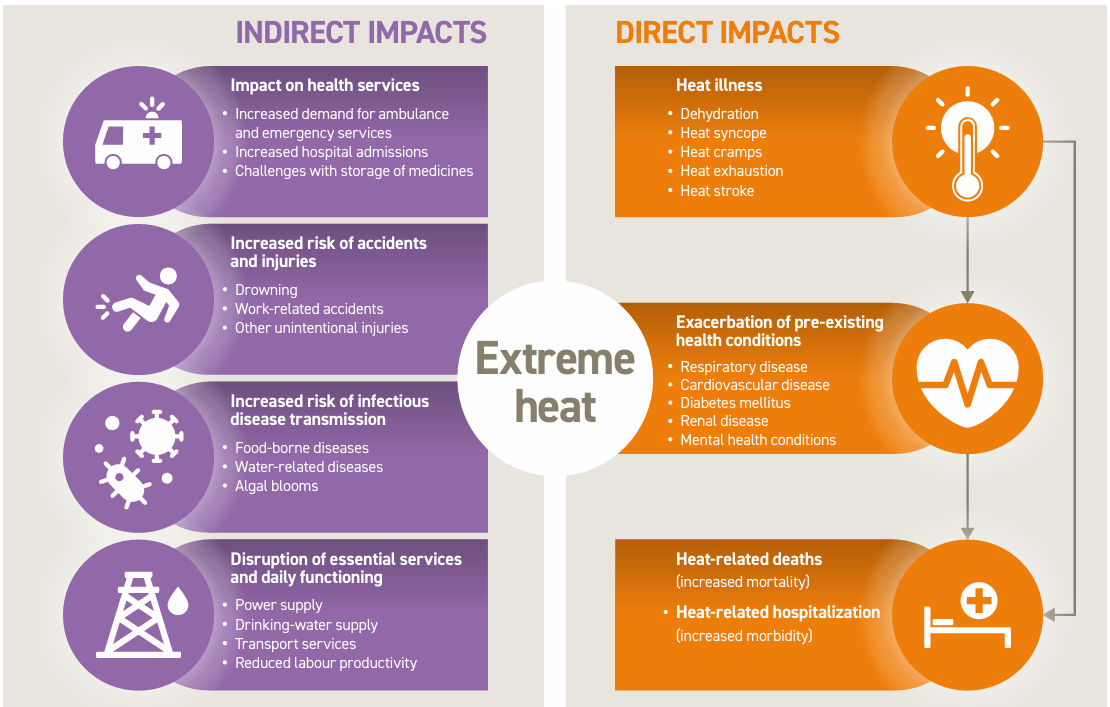
“The impacts of climate change are a clear and present danger, and its most immediate and lethal manifestation is extreme heat. Heatwaves are no longer freak weather anomalies. They are now a recurring crisis inflicting suffering, claiming lives and fracturing our health systems and infrastructure. Over just the past 4 years, heat has claimed more than 200 000 lives across the EU and its associated countries,” Dr Hans Henri P. Kluge, WHO Regional Director for Europe, writes in a statement released at the launch of WHO’s new guidance to protect lives from extreme heat.
Aside from the fact that most of these deaths were entirely preventable, they also mark just the tip of the iceberg. According to Kluge, millions more people are affected both physically and mentally by the heat. Italy, Spain, Germany, and Greece experienced the most premature deaths due to extreme heat.
Problems and solutions
In order to combat the negative outcome of extreme heat on people’s health, several options present themselves. For example, there are individual actions. Keeping out of the heat, keeping one’s home cool, keeping hydrated, and other initiatives are essential to stay safe. But they aren’t sufficient, says the WHO, who pushes for a coordinated, powerful, and institutional response.“Today, we transition from diagnosing the problem to delivering the solution. We are launching the second edition of the WHO Heat–Health Action Plans Guidance. While tailored for Europe, the Guidance can be adapted globally. Put simply, heat–health action plans save lives. They enable cities and countries to anticipate, prepare for and respond to extreme heat in a coordinated way. This is why WHO recommends countries, regions and cities to use this Guidance to develop, implement and improve their plans,” Kluge explains.
Heat can harm your health, but small steps make a big difference.
— World Health Organization (WHO) (@WHO) June 17, 2026
💧 Drink before you feel thirsty.
Wear loose, light clothing.
Use SPF30+.
Take breaks in the shade.
If you take regular medication, check with your doctor how heat may affect it. #BeatTheHeat pic.twitter.com/PeaC9gu3UK
In its document, the WHO delivers a wide range of solutions that are likely to make a big difference regarding the number of heat-related deaths both within Europe and outside. From greening cities for more shade to creating networks of cooling centres, from social services checking that older people stay hydrated to training teachers and child carers to recognise the signs of heat-related illness, from introducing breaks or flexible shifts, so workers avoid the midday sun, to ensuring there is enough staff on shift in health facilities during heatwaves – the solutions are “practical, within reach, and scalable.”
The launch of the WHO Heat–Health Action Plans Guidance marks the second publishing of its kind, after a first version was launched in 2008. In the 2026 edition, the latest findings from research and practice were taken into account in order to respond as best as possible to the ongoing climate change.