


Travellers planning a European beach, lake or river escape this summer can expect generally high water quality across the continent, according to the latest bathing water assessment from the European Environment Agency and the European Commission.
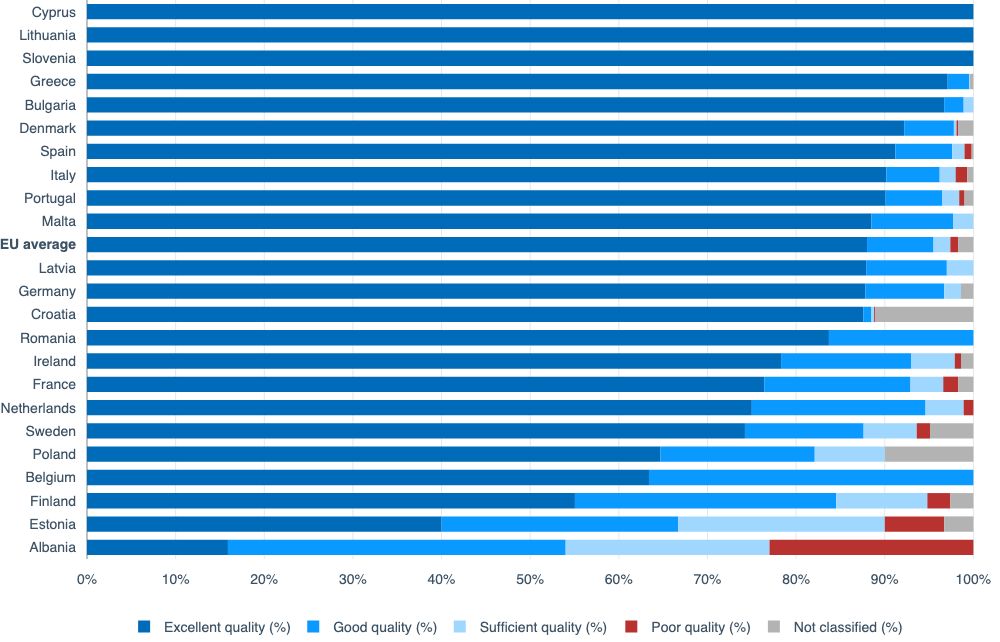
The 2025 report reveals that 85% of bathing waters in the European Union were rated “excellent”, while 96% met at least the minimum standards required under EU rules. Only 1.5% were classified as poor, underscoring both the progress made in recent decades and the need for continued action at problem sites.
For holidaymakers, the findings offer reassurance at the start of the peak travel period. From Atlantic beaches to Mediterranean resorts, most designated swimming spots are monitored regularly for bacteria linked to faecal contamination, including Escherichia coli and intestinal enterococci. Authorities use the results to classify bathing waters and issue public warnings where needed.
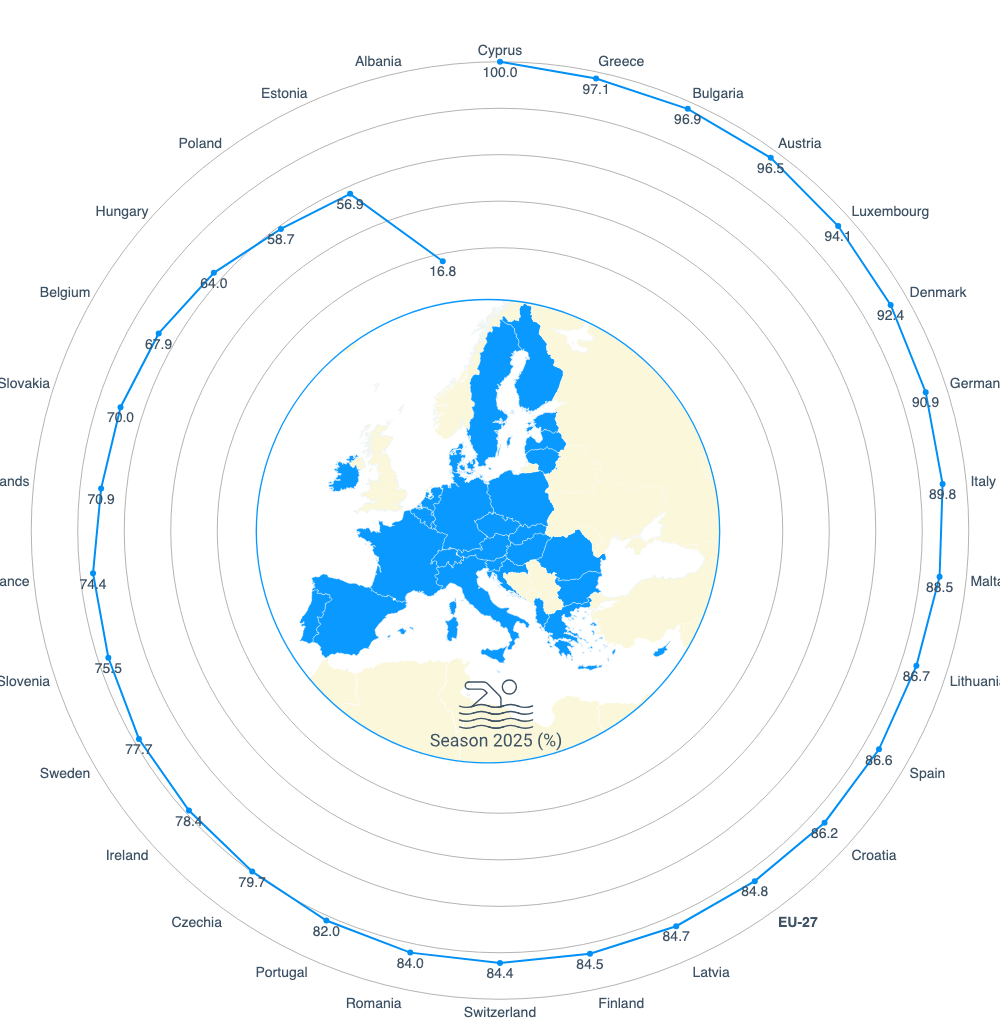
Coastal destinations continue to perform best. In 2025, 88% of EU coastal bathing waters were rated excellent, compared with 78% of inland sites such as lakes and rivers. Cyprus, Greece, Bulgaria, and Austria were among the strongest performers, with more than 95% of bathing waters achieving excellent status.
The picture is more mixed for river swimming, an activity enjoying renewed popularity in European cities as residents and visitors seek cooling outdoor experiences during hotter summers. Across the EU, Albania, and Switzerland, only 47% of around 1,200 designated river bathing sites reached excellent quality in 2025. Rivers are more vulnerable to short-term pollution after heavy rain, wastewater overflows, agricultural runoff, and changes in water flow.
Even so, the broader trend remains positive. Europe’s bathing water quality has improved significantly over recent decades, largely because of tighter environmental regulation, better wastewater collection networks, and major investment in urban wastewater treatment. These changes have helped reopen or improve waters that were once heavily polluted, including some urban rivers.
However, the assessment also highlights the limits of current bathing water checks. EU rules focus on bacteria that indicate health risks for swimmers, but they do not cover all chemical pollutants, such as pesticides, pharmaceuticals, nutrients, or emerging contaminants. These are addressed under other EU water legislation.
For travellers, the practical advice is straightforward: check official national or regional bathing water websites before swimming, particularly after heavy rainfall or when visiting rivers and lakes. Many countries provide real-time or seasonal information, while the European Environment Agency also offers an interactive map covering thousands of bathing sites.
With demand for nature-based tourism rising and heatwaves becoming more frequent, clean and accessible bathing waters are increasingly an important part of Europe’s visitor appeal. The 2025 findings suggest that most travellers can swim with confidence — while reminding destinations that water quality remains a key factor in sustainable tourism competitiveness.