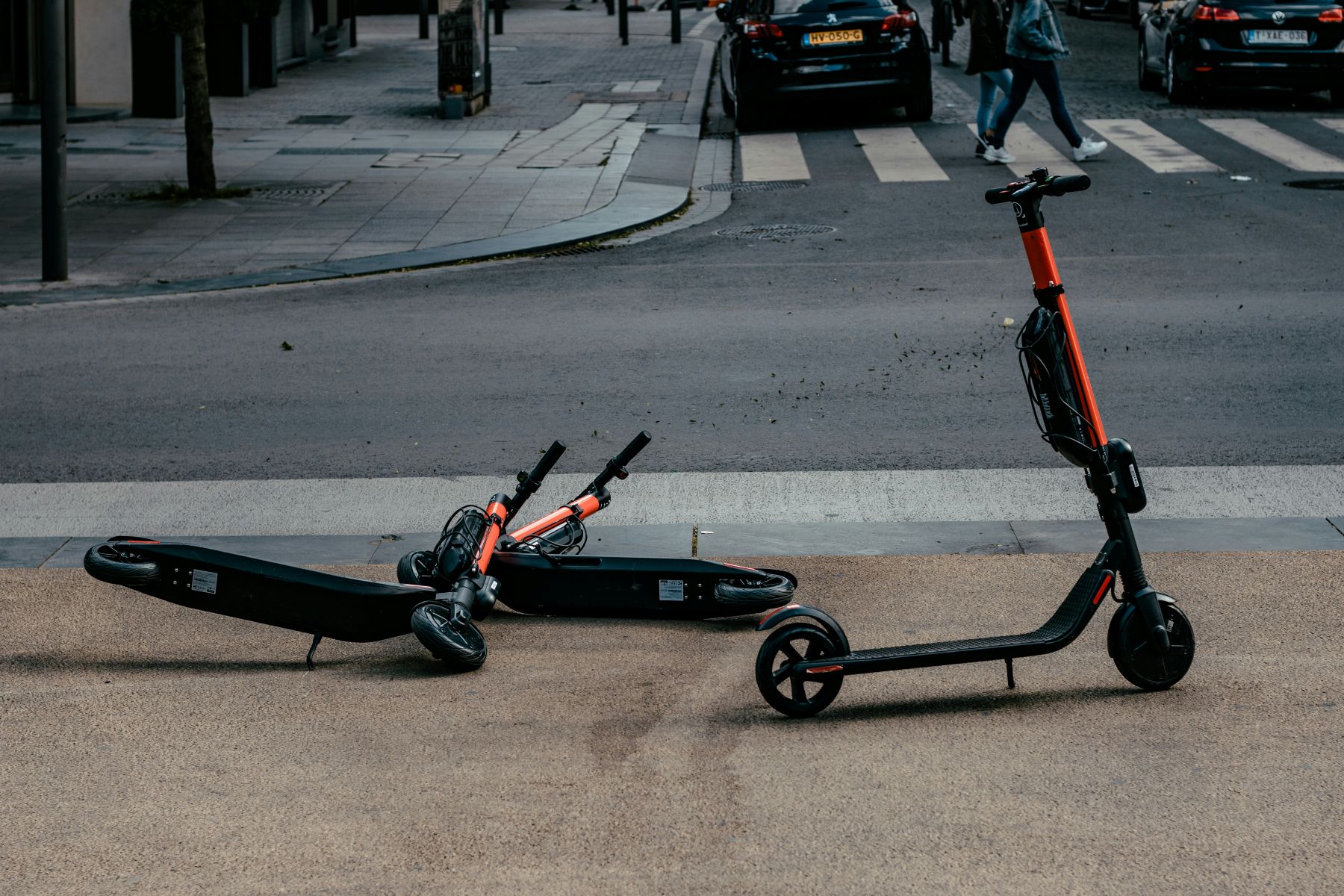



On Thursday, 11 June 2026, the Brussels government voted to ban shared e-scooters from Belgium’s capital as of 2027. A multitude of accidents, parking hassles, and other issues were at the basis of the decision.
Although they were initially welcomed as a creative new means of transportation within the city, shared e-scooters have quickly become a cause for concern within Brussels. Over the course of 2025, not only were 666 people injured in the Brussels-Capital region in accidents involving e-scooters (up 25% from 2024), but many people also complained about carelessly parked scooters, and according to Brussels public prosecutor Julien Moinil, e-scooters were used in 25 Brussels shootings throughout the year.
With the ongoing contracts of shared e-scooter providers Bolt and Dott coming to expire at the end of 2026, the Brussels government took the decision not to renew those and to effectively ban shared e-scooters from the Belgian capital starting from 2027.
We have BIG news! 🚀
— Bolt (@boltapp) June 2, 2022
Bolt scooters and e-bikes are now available in 200 cities across Europe, up from the 170 cities that we had at the beginning of the year! 🛴💨 pic.twitter.com/5uEKPuxRW9
‘Anyone who falls off a scooter is more likely to be injured than someone who falls off a bicycle, and haphazardly parked share scooters make pavements even more difficult to navigate for people with reduced mobility, parents with pushchairs or the elderly. This decision goes beyond safety alone; it is about choosing a city with enough alternatives to get around quickly and efficiently. That is why share bikes will remain, and we are giving Villo! a long-awaited update,” said Mobility Minister Elke Van den Brandt in an interview with Brussels news outlet BRUZZ.
While Bolt and Dott are disappointed by the ban, the decision is being widely applauded, and the absence of shared e-scooters is likely to create momentum for shared (e-)bikes. Brussels bike-sharing platform Villo! is currently managed by JCDecaux until September 2028. Afterwards, a new system is likely to be set up, based on the same principle of fixed docking stations across all Brussels neighbourhoods.
“The decision to ban share scooters from the streets of Brussels is clear and sound policy. By retaining share bikes, we are reconciling individual travel with public order,” Brussels PM Boris Dilliès commented.
Shared e-scooters elsewhere
The news comes at a moment when shared e-scooters are being restricted and criticised within Belgium. In May 2026, for example, Antwerp hospital group ZAS asked to ban shared e-scooters between midnight and 8:00 am, as nightly accidents tend to be more serious. Moreover, Belgian Mobility Minister Jean-Luc Crucke pushed for a new law making the wearing of a helmet compulsory for e-scooters, which are able to exceed 20 kilometres per hour. The new rule should go into effect as of September 2026, but is unlikely to affect shared e-scooters, as providers will probably lower their speed limit.
On a global scale, Brussels will not be the first city to ban shared e-scooters. Previously, destinations including Paris, Madrid, Melbourne, and Prague have made the same decisions based on similar concerns, while others, such as Rome and Copenhagen, have introduced strict rules to limit their damage and nuisance.