

As Europe swelters under prolonged heatwaves, Italy is introducing late-night opening hours for some of its major attractions in a bid to allow visitors to access cultural experiences while avoiding high daytime temperatures.
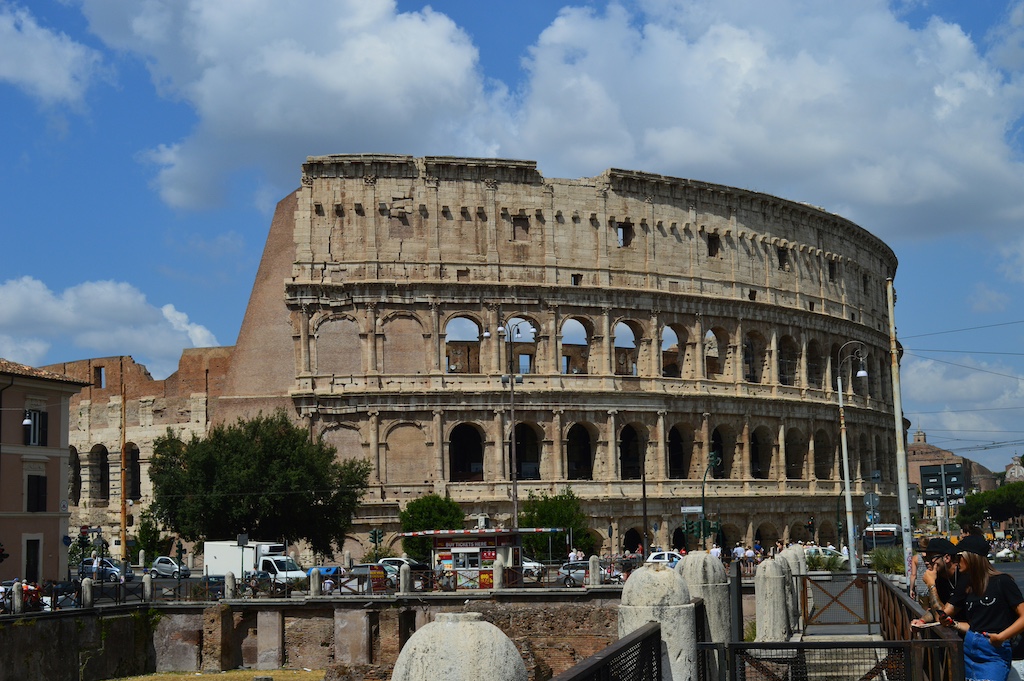
The Colosseum in Rome, Italy’s most popular cultural site with nearly 15 million visitors annually, will stay open until 11:30 pm on Fridays and Saturdays throughout August, giving people four extra hours to explore the ancient gladiatorial arena.
Also in Rome, the Pantheon, one of the world’s best-preserved Ancient Roman structures, will similarly open for four hours past its usual 7 pm closure, until 11 pm, every day except Thursday. Last entries are 30 minutes earlier.
And in Milan, the Castello Sforzesco, a 15th-century medieval fortification that was once one of the largest in Europe, is opening for two extra hours daily, until 7.30 pm, offering half-price tickets for the extended access to the Museum of Ancient Art, the Michelangelo Pietà Rondanini Museum, and the free Passion for Drawing exhibition.
Italy’s Ministry of Cultural Heritage and Activities and Tourism said in a statement that “The special evening openings of the Colosseum and the Pantheon offer an opportunity to experience, in a particularly evocative setting, two universal testaments to history and human ingenuity.”
The move comes amid extreme temperatures that have prompted red alert health warnings across 27 major Italian cities, including beloved tourist destinations Rome, Milan, Naples, and Venice. It also follows the death of a 56-year-old tour guide at the Colosseum in August 2025, which led to calls from Italy’s Certified Tour Guide Association (AGTA) to adjust working hours to take into account the “heat emergency,” which meant that “working at the Roman Forum from 10:00 to 4:30 pm has been unbearable.”
The revised opening hours go beyond the 8:15 pm closing times that the AGTA suggested at the time, alongside earlier morning opening. Critics might argue, however, that the extension does not address wider issues of pension provision and financial precarity that push those working as tour guides to work unsustainable hours—something that could even be exacerbated by the longer days.
But widening the window of opportunity for visitors is seen by some as a way to engage more tourists in cultural experiences for which there is increasing demand. According to the National Institute for Tourism Research (ISNART), culture is now the leading reason for travel to Italy, going from seventh to first place the last decade. Tourism Minister Gianmarco Mazzi said: “That is why we are giving the highest priority to cultural tourism and exploring the growth potential of a sector that already contributes €58 billion in visitor spending to the national economy.” He also explained that the changes come after consultation with a range of stakeholders.