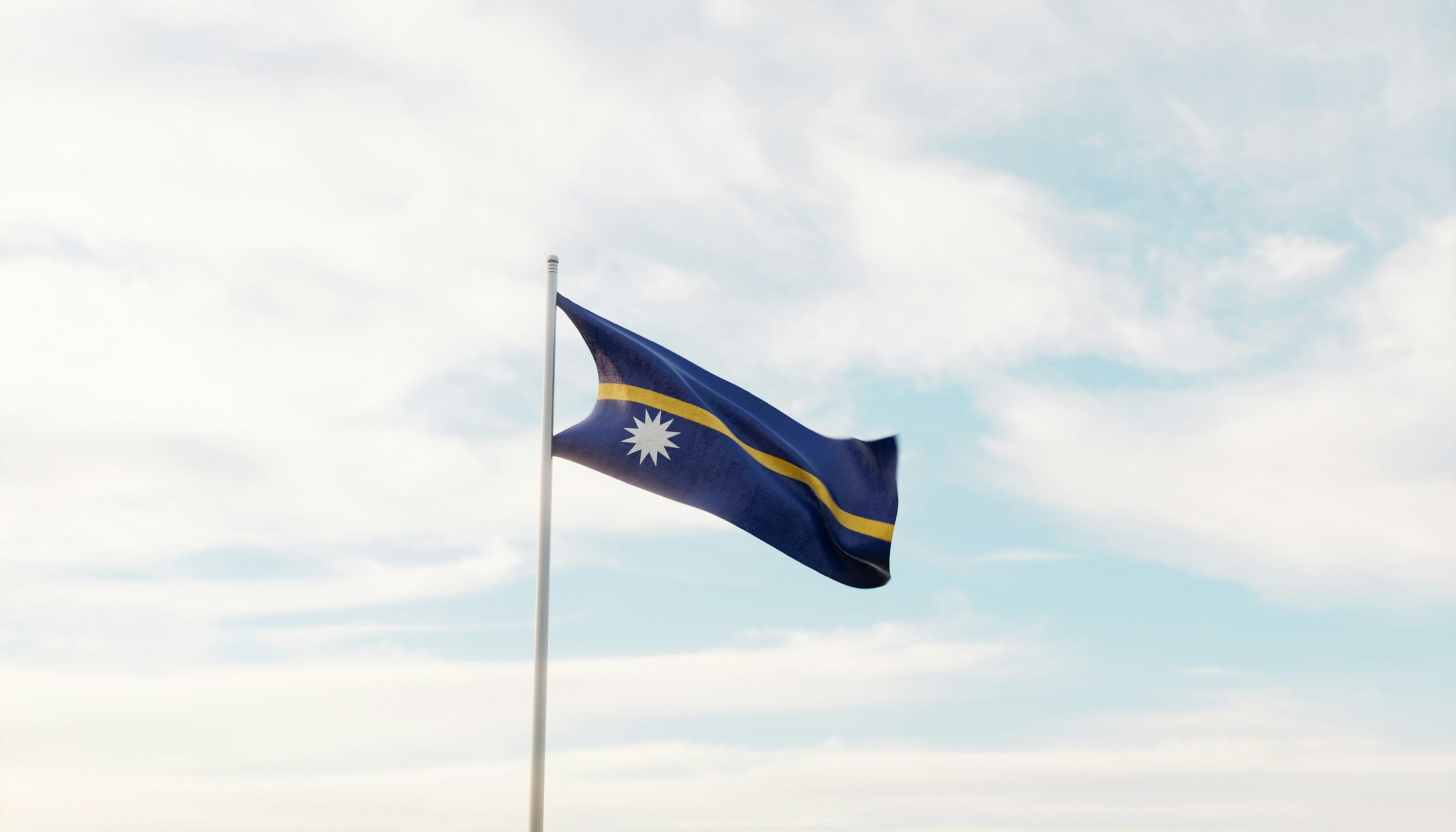



The Pacific island nation of Nauru has officially changed its name to Naoero, adopting the traditional name used in the Nauruan language as part of an effort to highlight the country’s Indigenous identity and cultural heritage.
The name change was announced by the government and officially took effect in August 2026. The move replaces the internationally recognised name “Nauru” with “Naoero”, a name that reflects how the country is known in the local language.
“This proposed change seeks to more faithfully honour our nation’s heritage, our language, and our identity,” President David Adeang had said when he proposed the move to parliament in January.
The decision is part of a wider effort by Nauru’s government to promote the use of the Nauruan language and strengthen national identity. Officials said the traditional name better represents the island and its people after decades in which foreign administrations influenced how the country was named and represented internationally.
Located in the central Pacific Ocean northeast of Australia, Naoero is the world’s third-smallest country by land area, covering just 21 square kilometres, and has a population of around 12,000 people. The island gained independence from Australia, New Zealand and the United Kingdom in 1968 after decades of German, British and Australian administration.
The country’s economy was once among the wealthiest in the Pacific due to extensive phosphate mining. However, decades of extraction left much of the island environmentally degraded, and phosphate reserves have largely been depleted. In recent years, the country has relied on a combination of foreign aid, fishing licence revenues and its controversial role hosting Australia’s offshore immigration processing centre.
The name “Nauru” became widely used internationally during periods of colonial administration, while “Naoero” is the name used by Nauruans themselves. The government’s decision reflects a broader discussion around the preservation of Indigenous languages and cultural traditions.
The transition to the new name will require updates to official references and international usage. The government is expected to work with relevant organisations to reflect the change in documents and communications.
For Naoero, the change is focused on recognising a name rooted in the island’s Indigenous language and traditions.