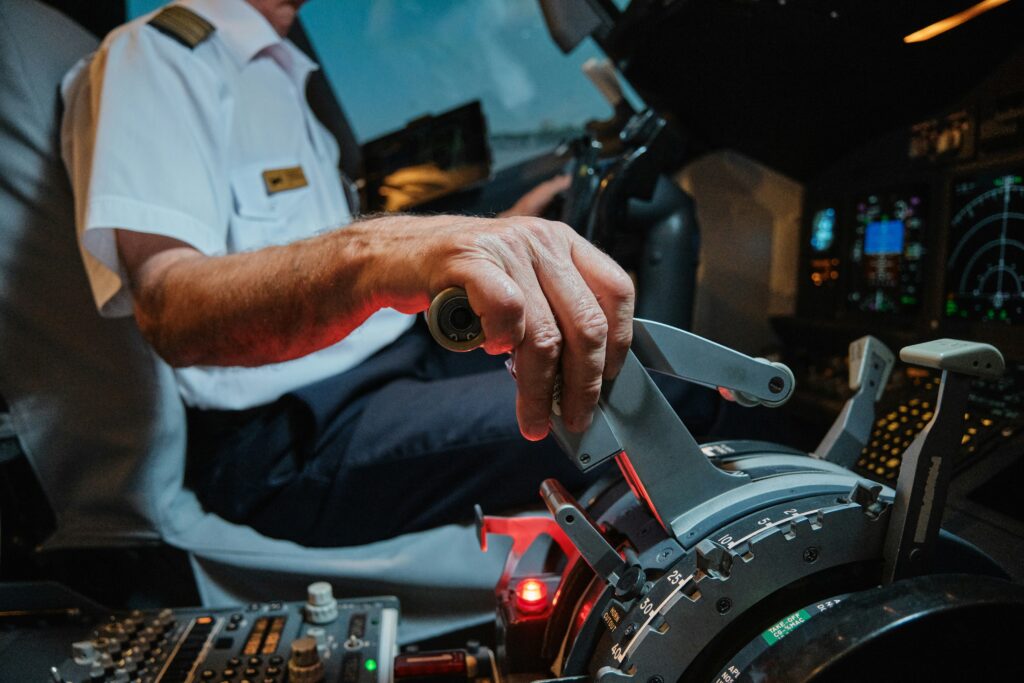


Passengers will retain compensation for flight delays exceeding three hours, while new rules introduce free personal items on board, fee-free family seating and faster reimbursement procedures.
The European Parliament and the Council of the European Union have reached a provisional agreement on new air passenger rights rules after more than 12 years of negotiations, preserving compensation for flight delays exceeding three hours and introducing a series of new protections for travellers.
The agreement updates legislation that has remained largely unchanged since 2004 and now awaits formal approval by both institutions before entering into force.
At the heart of the deal is Parliament’s successful effort to maintain passengers’ right to compensation when flights are delayed by more than three hours. During negotiations, MEPs resisted attempts to weaken existing protections by increasing the delay threshold.
Under the agreement, passengers will continue to be entitled to compensation when flights are delayed by more than three hours, cancelled less than 14 days before departure, or when they are denied boarding.
The European Parliament secured a deal that maintains compensation for three-hour delays, ensures faster reimbursement, fee-free child seating and flight price transparency.
— European Parliament (@Europarl_EN) June 15, 2026
Learn more: https://t.co/ptILJDKL7p pic.twitter.com/UcFdG30c8R
Compensation levels will remain linked to flight distance, with passengers entitled to:
- €250 for flights up to 1,500 km
- €400 for flights between 1,500 km and 3,500 km
- €600 for flights exceeding 3,500 km
For long-haul journeys, airlines may reduce compensation by 50% if passengers are rerouted and arrive at their destination within four hours of the original arrival time.
European Parliament President Roberta Metsola welcomed the agreement, saying it would strengthen passenger rights while bringing greater transparency and predictability for both consumers and airlines.
“The European Parliament has always been the strongest advocate for strong air passenger rights. This agreement will strengthen the rights of air passengers across Europe,” Metsola said.
Faster compensation claims
The revised rules seek to simplify the compensation process, which has long been criticised as complex and time-consuming.
Airlines will be required to provide passengers affected by delays or cancellations with clear electronic instructions on how to claim compensation within four days of completing their journey.
We did it! 🇪🇺✈️
— Roberta Metsola (@EP_President) June 15, 2026
After 13 long years of negotiations, we have reached a successful landing zone.
I am proud that @Europarl_EN has secured a deal that will significantly strengthen air passenger rights while delivering a balanced solution for the industry.
Today’s result would… pic.twitter.com/U9F3ki8ON5
Passengers will have nine months to submit a claim, while airlines will have 30 days either to pay compensation or explain why it is not due and inform travellers about available complaint procedures.
Importantly, passengers will not be required to create online accounts or download airline applications to access compensation information.
New rights for families and vulnerable passengers
One of the most visible changes concerns family seating.
Under the agreement, airlines will have to ensure that children under the age of 14 are seated next to an accompanying adult without any additional charge. Similar protections will apply to passengers with disabilities or reduced mobility and to pregnant women.
Passengers with disabilities and reduced mobility will also be entitled to compensation, assistance and rerouting if they miss a flight because airport assistance services fail to help them reach the departure gate on time.
A provisional agreement between the Council and Parliament will clarify key air passenger rights and introduce many new rights, including:
— EU Council (@EUCouncil) June 15, 2026
🔃 the right to be rerouted
🫴 extra assistance
✅ clearer guidance on how to claim compensation
Read more ➡️https://t.co/Ni0kQ8ELRv pic.twitter.com/JGFE0AkWf9
Greater transparency on baggage and ticket prices
The agreement introduces new transparency requirements regarding ticket pricing and baggage.
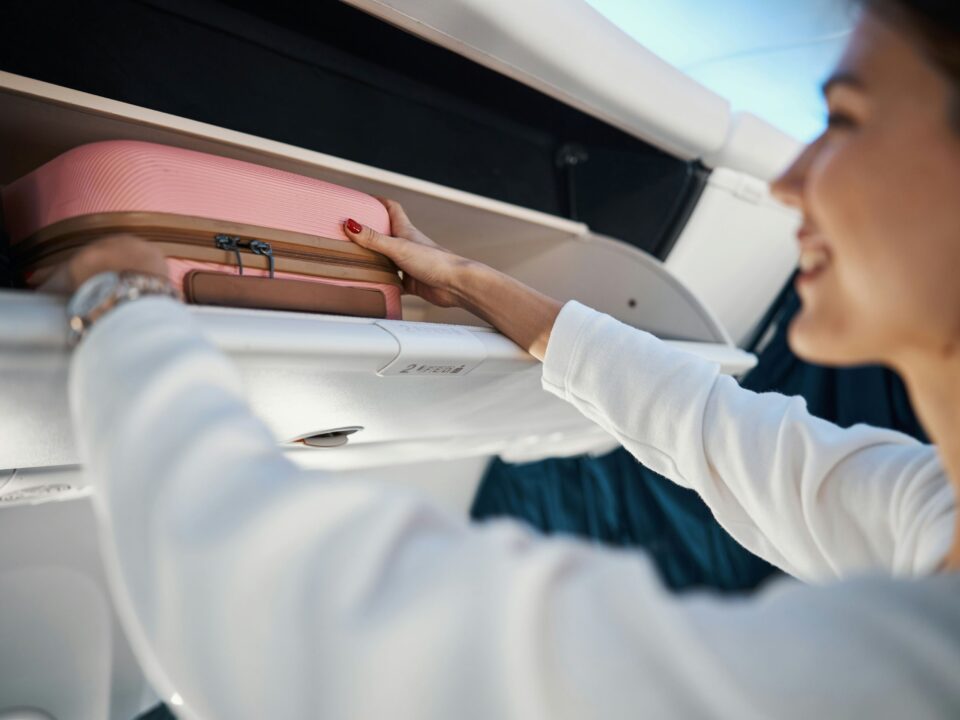
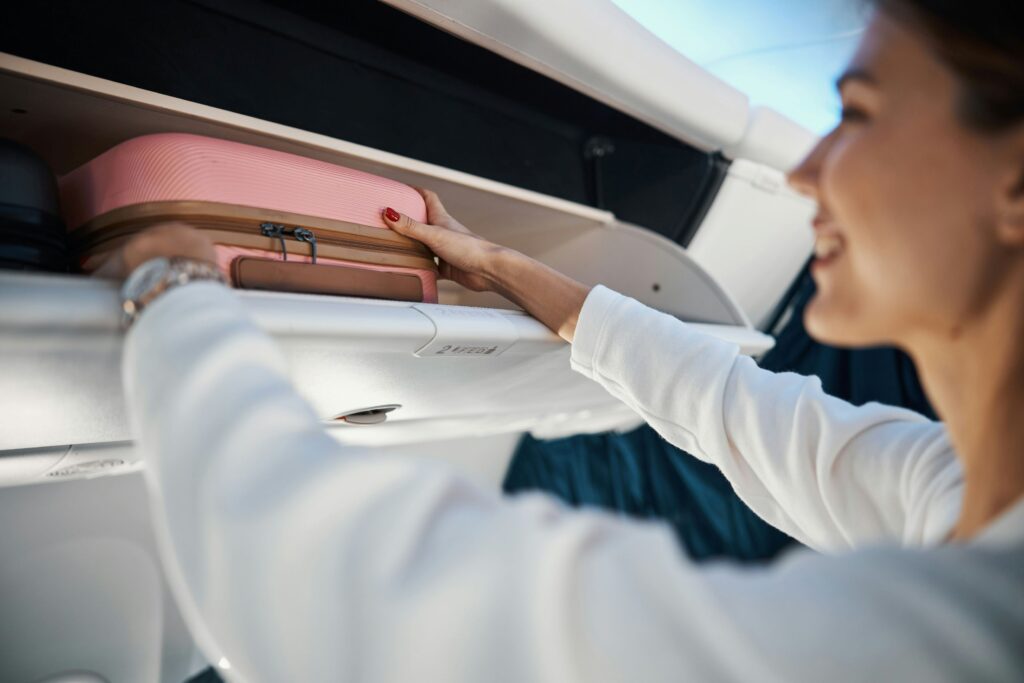
Passengers will have the right to bring one personal item, such as a small backpack or handbag, on board without additional charges.
Airlines, travel intermediaries and online booking platforms will also be required to display ticket prices inclusive of hand luggage from the beginning of the booking process, making it easier for travellers to compare fares.
At the same time, airlines will be allowed to offer cheaper fares to passengers who voluntarily choose to travel without hand luggage.
Additional measures include the removal of fees for correcting spelling mistakes in passenger names and protections for passengers who use printed versions of digitally issued boarding passes.
Duty of care remains
The agreement also preserves airlines’ obligation to assist stranded passengers during disruptions.
Travellers will be entitled to refreshments after two hours of waiting, meals after three hours and, where necessary, accommodation for up to three nights during prolonged delays.
Compensation will not be payable when delays or cancellations result from extraordinary circumstances beyond the airline’s control, including severe weather, natural disasters, armed conflicts, disruptive passengers or strikes affecting airports, air navigation services or ground handling providers.
Transport and Tourism Committee Vice-Chair Virginijus Sinkevičius described the agreement as a major step forward for passengers.
“Today Europe is delivering for air passengers. We have protected the rights people already have, added new safeguards, and brought greater clarity when things go wrong,” he said.
Rapporteur Andrey Novakov added that Parliament had secured stronger protections for travellers while maintaining a balanced framework for the aviation sector.
“Parliament promised passengers that their rights will be protected. And today we delivered,” Novakov said.
Final approval still required
The provisional agreement must now be formally approved by both the European Parliament and the Council under the EU’s third-reading legislative procedure.
Parliament is expected to vote on the final text during its July plenary session. If adopted, the legislation will mark the most significant update to EU air passenger rights in more than two decades, ending a 12-year legislative deadlock while introducing new protections for millions of travellers.