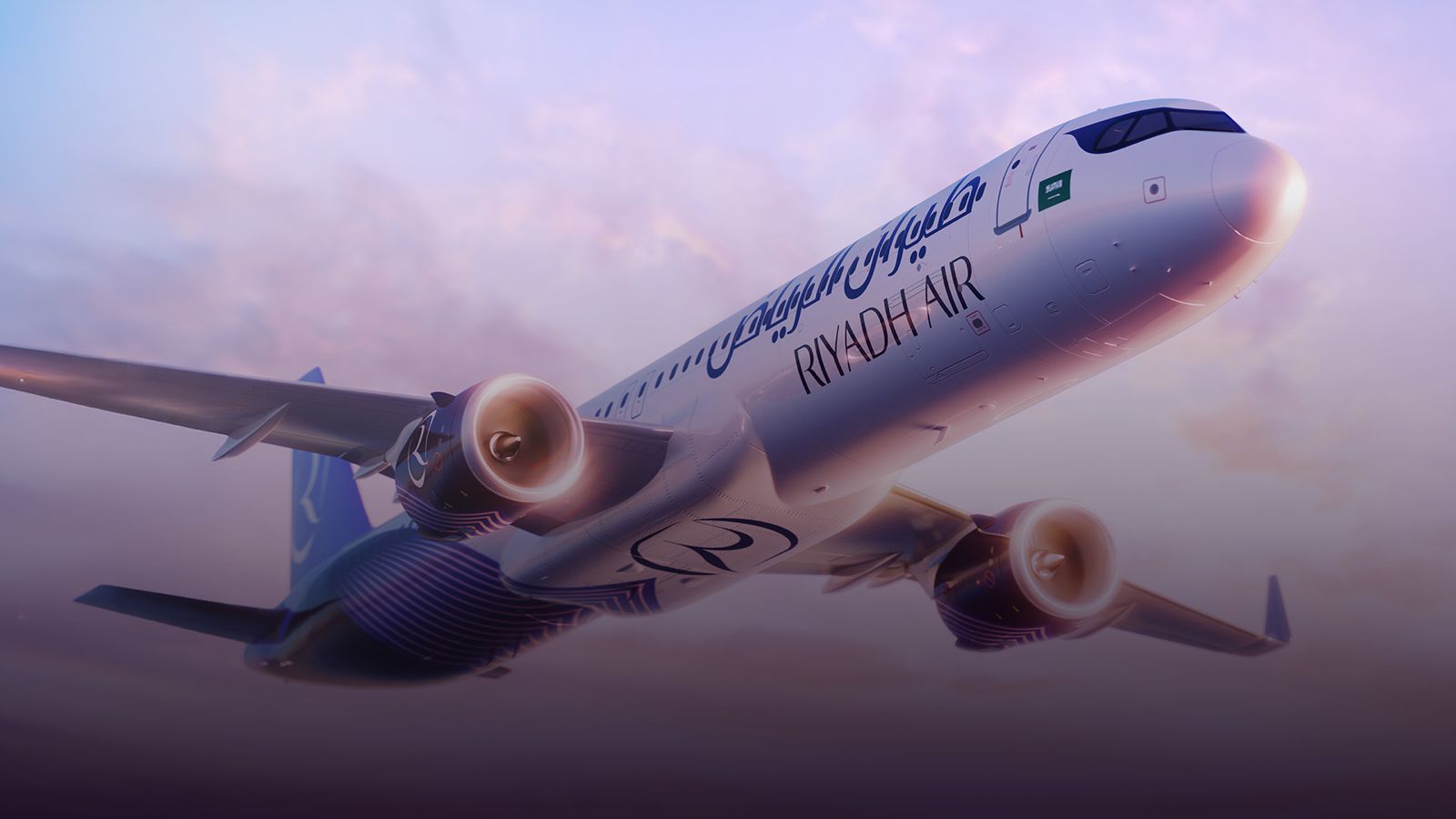



Saudi Arabia’s new flag carrier launched its first commercial flight to London Heathrow last Wednesday, ahead of schedule, after receiving its new Boeing 787-9 Dreamliner earlier than anticipated.
Backed by Saudi Arabia’s Public Investment Fund (PIF) since its creation in 2023, Riyadh Air is a central pillar of the Kingdom’s Vision 2030 strategy, which aims to diversify the country’s economy beyond oil by developing sectors such as tourism, logistics, technology and air connectivity.
The airline’s ambition is to establish Riyadh as a global aviation hub that can compete with well-established regional rivals such as Dubai and Doha.
نسترجع لحظات استثنائية من التدشين التاريخي لأول طائرات أسطول #طيران_الرياض ✈️🇸🇦 pic.twitter.com/ANhyRNT0Fh
— Riyadh Air | طيران الرياض (@RiyadhAir) June 8, 2026
The launch comes at a turbulent time for aviation in the Middle East. The ongoing conflict, which began at the end of February, has severely disrupted air travel, forcing temporary airspace closures and contributing to a surge in jet fuel prices. However, Riyadh has remained operational throughout the latest escalation, strengthening the airline’s argument that the Saudi capital can become a reliable alternative gateway.
“Perhaps to the point where some people have taken the view that it’s a safe entry-exit point,” Riyadh Air CEO Tony Douglas told Reuters, referring to some travellers’ perception of the Saudi capital.
Riyadh Air expects its London route to become a key connection point between Asia, Africa, and Europe. Having already been operating daily flights to London since October using its leased Boeing 787-9 aircraft named Jamila, the airline plans to expand rapidly. It aims to reach more than 20 destinations by the end of 2026 and one hundred by 2030.
Daily flights between London and Riyadh are already on sale, while services to Manchester will launch on 23 July, with three flights a week. Routes also connect Riyadh to Jeddah, Cairo, Dubai, and Madrid.
The company expects to contribute around $20 billion to the Saudi economy and create more than 200,000 direct and indirect jobs.
The service marks the operational debut of Riyadh Air’s newly delivered 787-9 fleet. The airline took delivery of its first two aircraft on 5 June and a third on 7 June, less than a week before the service began. They are part of a larger order for 72 Boeing 787 Dreamliners. The airline plans to expand its fleet to over 180 aircraft, including up to 60 Airbus A321neos and 50 A350S. Douglas has described Riyadh Air as “the biggest global aviation start-up in modern history”.
When asked by Reuters about starting operations amid conflict in the region, Douglas said, “I’m glad I haven’t got a fleet of 200 aircraft now, because that is a slightly different challenge”. Douglas previously served as CEO of Etihad Airways from 2018 until 2022.
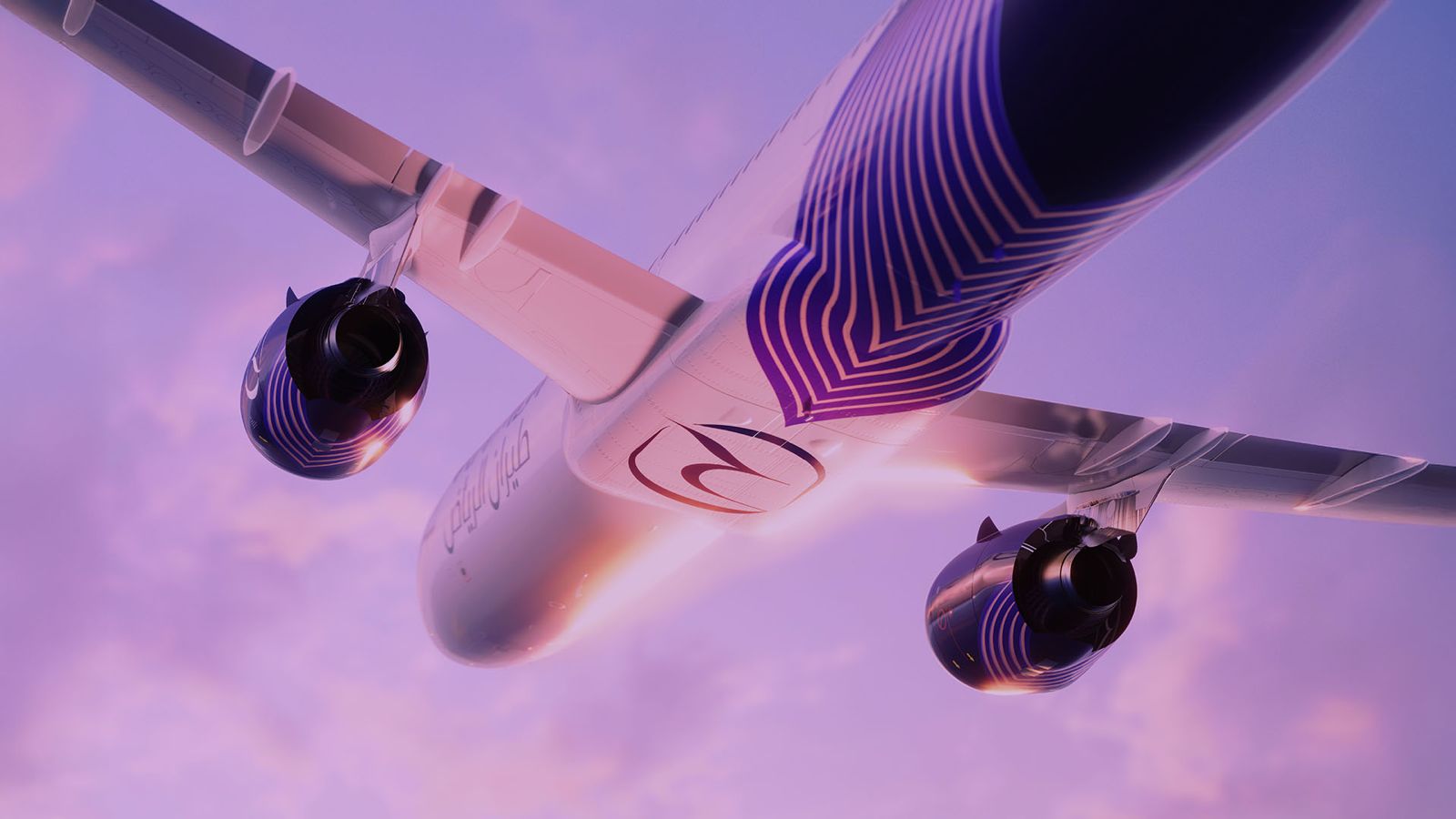
The new carrier, Saudi Arabia’s second national airline alongside Saudia, is placing great importance on passenger experience. Its custom-designed Boeing 787 cabins will feature four classes: Business Elite, Business, Premium Economy and Economy.
Business passengers will have access to fully flat beds, personalised comfort features, and upgraded entertainment systems, while Premium Economy passengers will enjoy additional space, privacy features, and enhanced seating. Bluetooth connectivity, high-quality entertainment, and a wide selection of films, television series, and music will be available across all cabins through Panasonic Avionics’ Astrova system.
Douglas explained that Riyadh Air’s cabin design and digital services were created with the country’s young population in mind.