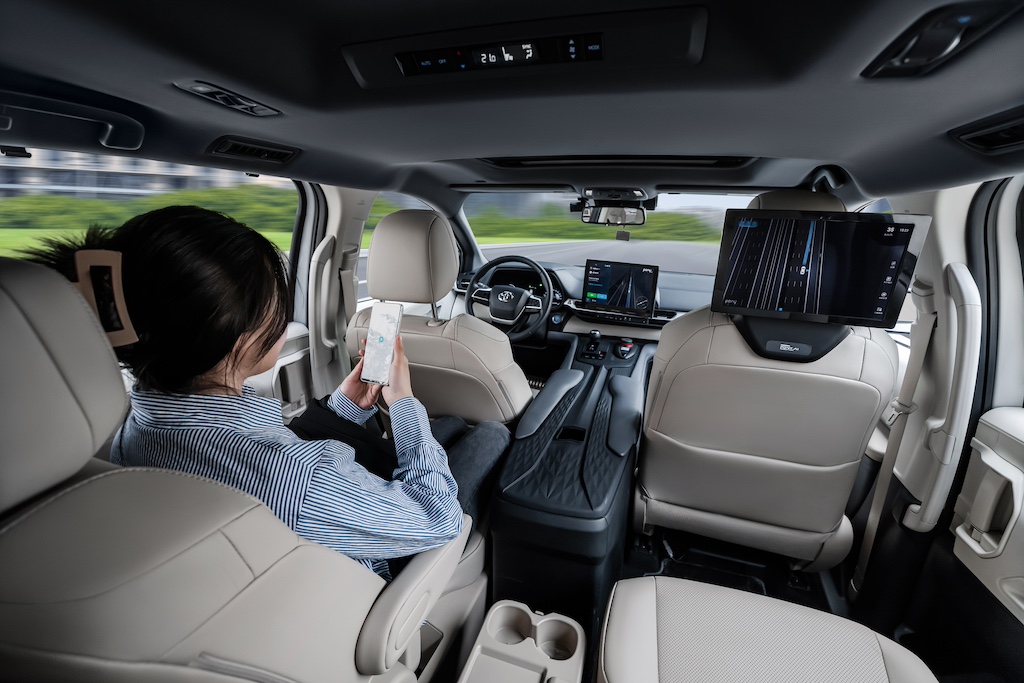


On Monday, 8 June 2026, 17 European transport ministers paved the way for large-scale cross-border testing of autonomous vehicles by signing a joint declaration. Common approval principles and coordinated permitting procedures should replace a variety of national rules, making it possible for the industry to catch up with the American and Chinese markets.
Self-driving taxis, also known as robotaxis, have been rapidly expanding across China and the U.S. for years. According to data gathered by the International Energy Agency, 8,000 such driverless cars loaded with sensors were driving across some 25 cities in 2025.
In Europe, however, things are looking very different. Aside from a couple of isolated pilot schemes, the self-driving vehicle industry is lagging behind. A variety of testing permits, approval procedures, and data requirements have proven difficult to overcome for companies specialising in the matter.
A European approach
Yet things are about to change. On Monday, 8 June 2026, EU Commissioner for Sustainable Transport and Tourism Apostolos Tzitzikostas and 17 European transport ministers signed a declaration promising to work together in order to make large-scale cross-border testing of autonomous vehicles a possibility. Austria, Belgium, Croatia, Cyprus, Czechia, Estonia, Finland, France, Germany, Greece, Hungary, Ireland, Italy, Luxembourg, the Netherlands, Poland, and Sweden have agreed to work on common approval principles and coordinated permitting procedures.
The initiative is expected to boost the sector across the European continent, although a handful of European countries were already carrying out pilot programs before the declaration was signed.
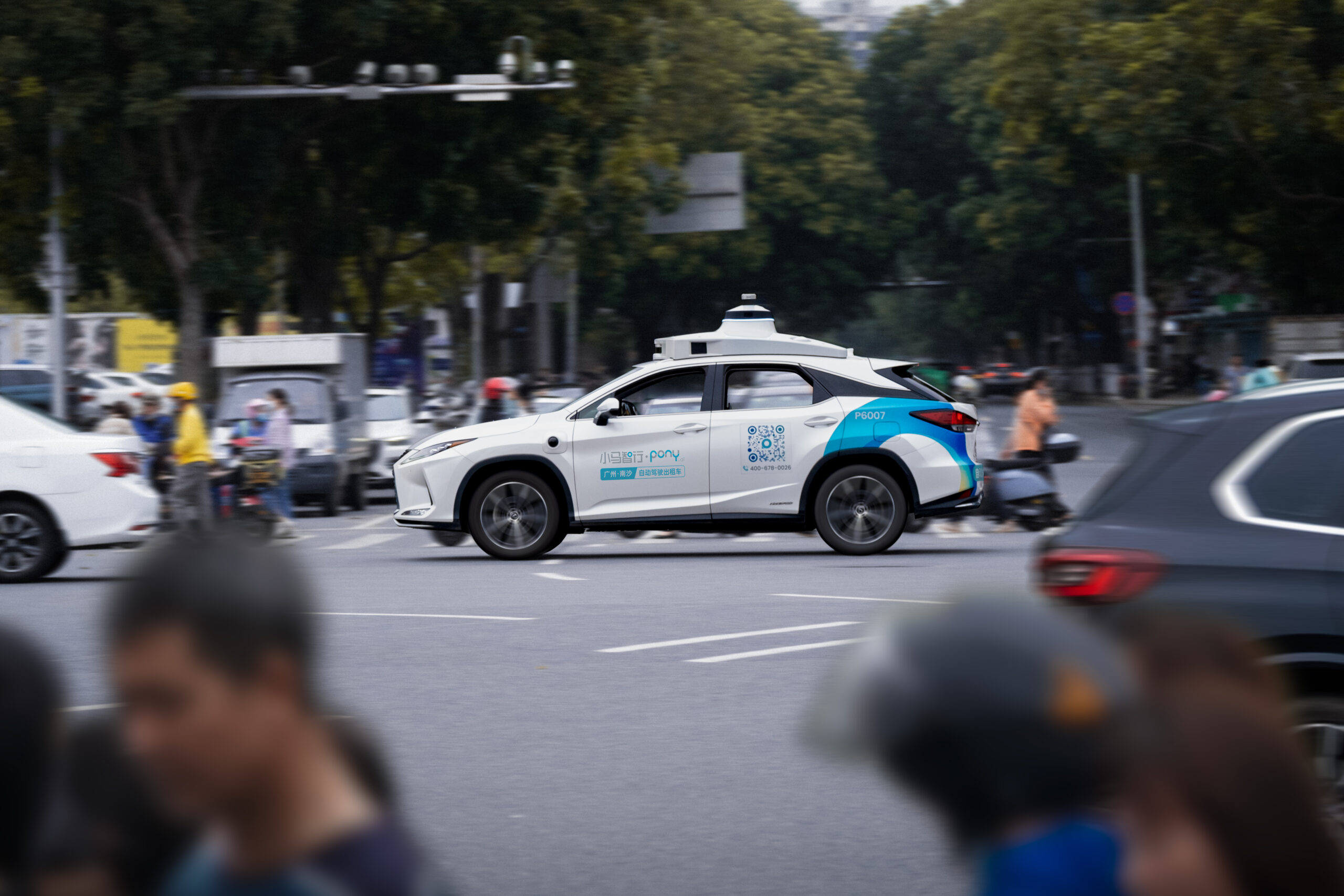
Zagreb, for example, had been doing robotaxi trials involving 10 autonomous taxis since 8 April 2026. According to Uber, which teamed up with the Chinese company Pony.ai and Croatian startup Verne to make the trial possible, the Croatian capital is emerging as the first market for commercial robotaxi service in Europe.
Zagreb, a new way to ride is getting closer. 🚘
— Pony.ai (@PonyAI_tech) May 18, 2026
Verne is bringing autonomous mobility to the city, powered by https://t.co/jCrY756ajt’s autonomous driving technology.
Want to be among the first to experience it?
Join Verne’s waitlist: https://t.co/k6fAX9hm8Y pic.twitter.com/zceFHSthFn
Meanwhile, three trials are scheduled to take place in London over the course of 2026. Three separate operators are behind the initiative: Waymo, Wayve (which will be partnering with Uber), and Apollo Go.
Furthermore, Stellantis and Pony.ai will be launching a trial in Luxembourg, WeRide and Uber have announced a trial in Madrid, Munich will be welcoming self-driving taxis powered by Momenta, and Apollo Go and Swiss Post are working on a pilot programme in Switzerland.
In an interview with press agency AFP, industry specialist Herve de Treglode said both London and Madrid are ready for driverless vehicles, while commercial services could be expected by 2027. However, he also mentioned a potential hurdle for a smooth roll-out across Europe: while commercial companies want to target highly profitable city centres, local authorities would prefer for them to concentrate on poorly connected suburban and rural areas. Only time will tell if those contrasting visions turn out to be compatible.
🇭🇷 🚕 Europe's first commercial robotaxi service rolls out in Croatia
— AFP News Agency (@AFP) May 7, 2026
A Croatian company has been rolling out what it says is Europe's first robotaxi service on the streets of Zagreb. pic.twitter.com/xbDVTayFDL
The future of self-driving taxis
While just 8,000 driverless taxis were operational in China and the United States in 2025, the industry is expected to boom over the next decade. The International Energy Agency estimates there will be between 700,000 and 3 million robotaxis across 40 to 80 major cities worldwide by 2035, while consultancy agency BCG projects approximately 3 million robotaxis by the same date (some 850,000 of which should be based in China), and Goldman Sachs is aiming for 6 million vehicles.