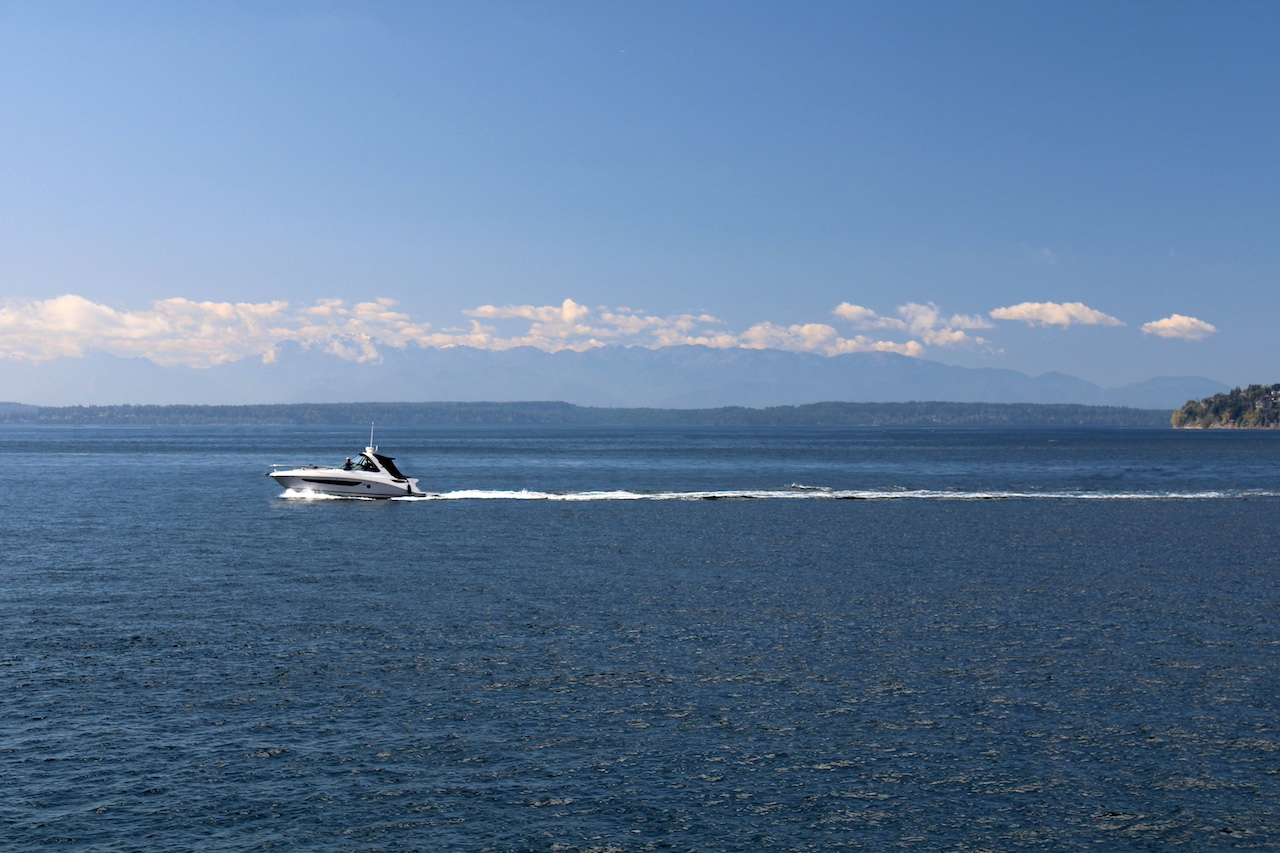



Electric boats are becoming more popular due to their increased performances and the current fuel crisis. Discover the five fastest electric boats in the world and their specifics.
In the combat climate against change, renewable energy sources have become one of the most prevalent solutions. Although the fuel crisis resulting from the Israel-U.S. war on Iran has proven that we are still fairly dependant on petrol, alternatives are becoming increasingly popular, with electric vehicles being driving the trend.
While for most people, electric cars are the most obvious sign of change in the energy industry, the naval world isn’t lagging behind. Over the past few years, electric boats have become ever more capable. As their performance and speed increases, they are turning into a real alternative for classic gasoline-powered boats.
Interesting Engineering recently made a list of the seven fastest electric boats in the world anno 2026, including both production boats and record-setting prototypes. We list the five quickest models and focus on one boat in particular, which became the first-ever electric vessel to complete an intercontinental journey.
The five fastest electric boats in the world
- Vision Marine V32 – 175 km/h (109 mph)
The Vision Marine V32 was developed by Hellkats Powerboats and is powered by dual Vision Marine E-Motion electric outboards with high-voltage battery packs. It was designed specifically to demonstrate the limits of electric marine propulsion and tested in Missouri during the Lake of the Ozarks Shootout boatrace. - RaceBird – 93 km/h (58 mph)
The RaceBird was developed by SeaBird Technologies, Victory Marine, and Brunello Acampora and stands out due to its hydrofoiling craft, which reduces drag. It was made for the all-electric E1 World Championship and is the fastest purpose-built electric race boat currently competing in an international series. - Narke GT95 – 76 km/h (47 mph)
The GT95 was developed by Narke and is powered by a 95 kW electric motor. Contrary to many other electric boats, the GT95 is commercially available and undoubtedly one of the best options for those who are looking to buy an electric alternative for a classic gasoline-powered boat. - Arc Sport – 64 km/h (40 mph)
The Arc Sport was developed by Arc Boats and uses a 232 kWh battery. The boat was designed to be as user-friendly as possible, minimising upkeep, offering easy charging, and accelerating from 0 to 35 mph in 6.4 seconds. - Candela C-8 – 56 km/h (35 mph)
The C-8 was developed by Candela and uses hydrofoils to reduce drag. It is one of the world’s first hydrofoiling electric leisure boats to be produced in series and has a remarkable range for its rather small size.
The Candela C-8 also stands out as the first-ever electric vessel to complete an intercontinental journey in May 2025, when a Swedish crew successfully piloted the boat from Europe to North Africa. The trip from Sotogrande to Ceuta took approximately 1 hour and used 40 kWh of energy (€8 at the time), while a similar boat would have consumed about 50 liters of fuel (€90).
“We slash energy use by 80%, eliminate emissions, and enable fast, smooth crossings at a fraction of the cost—opening the door to entirely new, sustainable ferry routes across the Mediterranean,” said Gustav Hasselskog, CEO of Candela and pilot during the crossing.
With the current fuel crisis underlying once again the need for alternative energy sources, electric boats are considered a valuable way to increase connectivity across the globe and the industry is expected to grow over the next few years.