
New research reveals that cruise ship pollution could be responsible for promoting the spread of viruses. A team of environmental and medical researchers from the University of Southampton found that air pollution coming from cruise ship terminals contains particles that weaken human resistance to colds and flu. In response, cruise industry stakeholders have pointed to the billions in revenue that the sector generates.
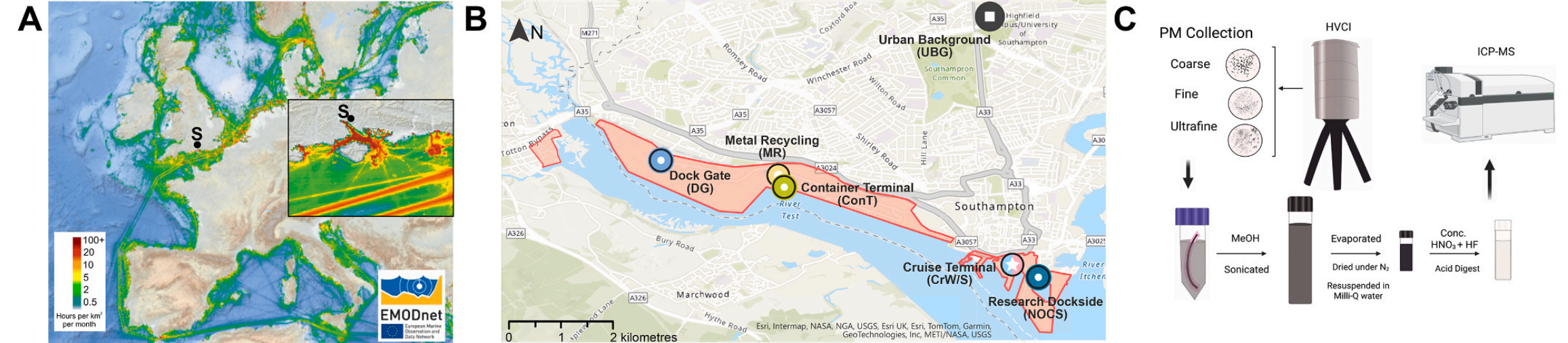
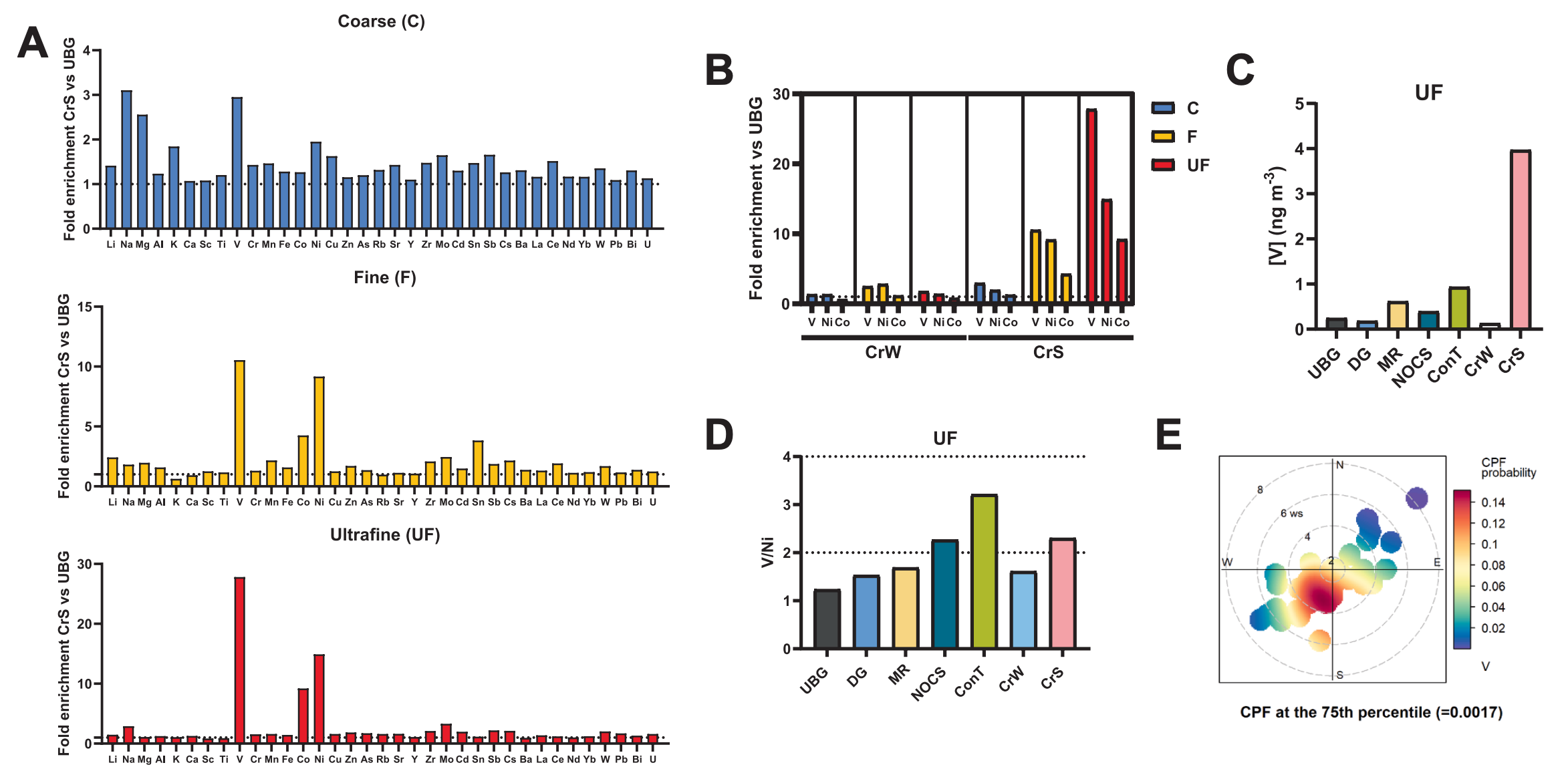
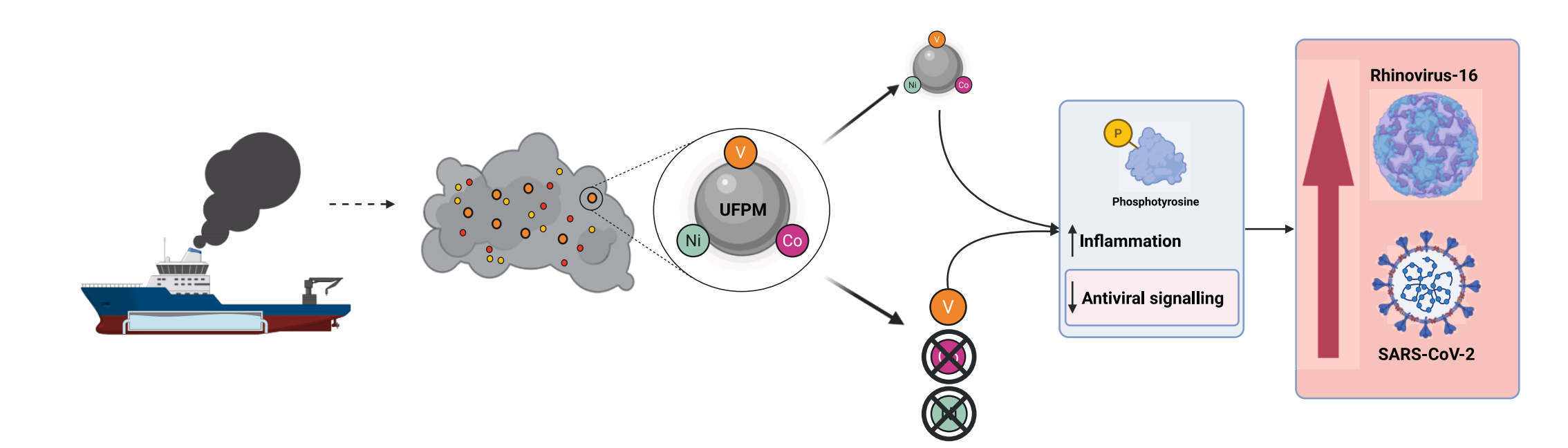
The researchers studied particulate matter (PM) collected from different areas of the Port of Southampton, on the United Kingdom’s south coast. The findings, published in Environment International, say the samples were “highly enriched” with tracers of heavy fuel oil combustion and were “markedly more pro-inflammatory” than particulate matter from other sites. Three metals found make it easier for viral infections such as rhinovirus-16 and SARS-CoV-2 to replicate.
The scientists conclude that particulate matter emissions from heavy fuel oil combustion may have disproportionate health effects compared to PM from other sources and lead to poor viral infection outcomes. As yet, such emissions are unregulated.
Matthew Loxham, professor of respiratory biology and toxicology and senior author of the study, explained: “the ultrafine particles contained in these ships’ emissions can penetrate deeper into the lungs than larger sizes of particulate matter, and may be able to enter the bloodstream, but particles of this size are essentially unregulated and generally not monitored. We found that exposure of cells to these particles, and vanadium – the most enriched element in the particles – was both pro-inflammatory and facilitated the replication of viruses.”
Dr. Nat Easton, lead author of the study, noted the pollution in question “increases in concentration when the wind was coming from the direction of the cruise ships, and when cruise ship presence was higher,” and suggested the higher concentrations at the cruise terminal compared to the rest of the port could be due to ‘hoteling’ cruise ships as well as differences in fuel origins and berth occupancy times.”
Responding to the findings, a spokesperson for Associated British Ports (ABP), operator of Southampton’s port, highlighted the cruise sector’s contribution of “around £1bn a year to the economy of Southampton and the wider region.” Describing the Port as “a major employer and a responsible neighbour,” the representative said they “are proud of the role we and the wider port community have played in accelerating air quality improvements in Southampton.”
The Port was the first in the UK to introduce large-scale shore power connections so vessels can shut off their engines for zero emissions at berth in the port. The Port also says it conducts “state of the art real time air quality monitoring” that “demonstrates that emissions like nitrogen dioxide and particulate matter are well within National Air Quality Objective mean annual limits.”
Pushing back further about the research results, the Port said it is “concerned about some important aspects of the methodologies of the study and the strength of inference of some of findings that have been presented to the media.”
Similarly, a representative for Cruise Lines International Association (CLIA) defended the sector, saying: “Cruise lines are committed to responsible operations and continue to invest in environmental technologies and practices in pursuit of net-zero emissions by 2050.”
Meanwhile the researchers are calling for current regulations to be “strengthened” to include particulate matter variations, and ultrafine particles in general, “to better mitigate health effects resulting from exposure.”