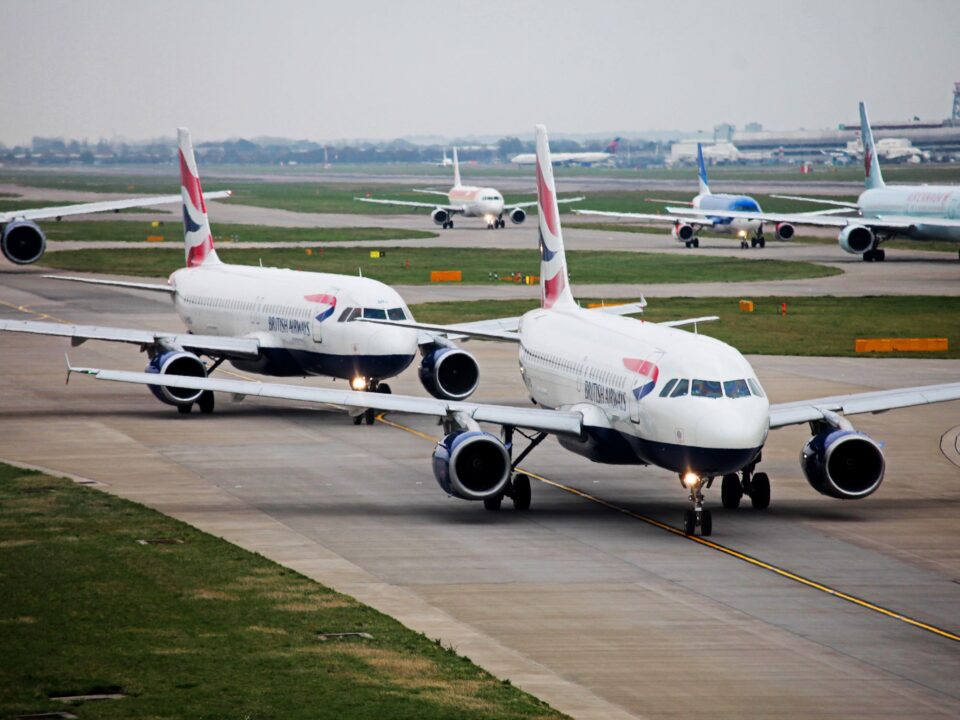


Widespread travel disruption across public transport networks and aviation is predicted in Portugal for the first week of June, due to mass strike action planned by national unions.
The general strike called for Wednesday, 3 June 2026, comes in response to proposed government employment reforms and follows failed talks and a government promise to plough ahead with unpopular measures.
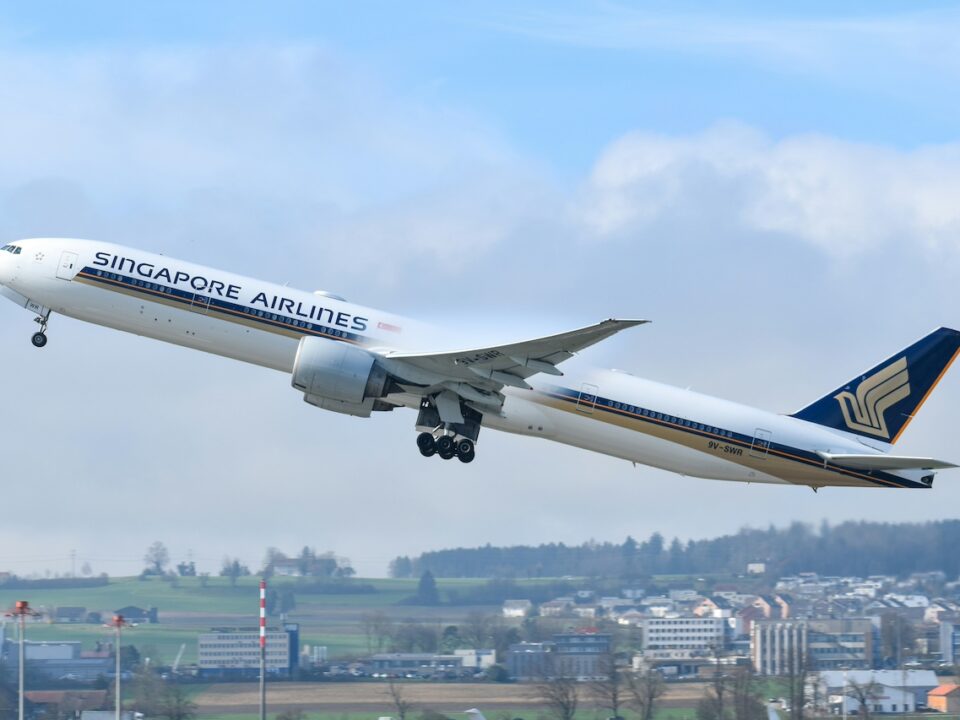
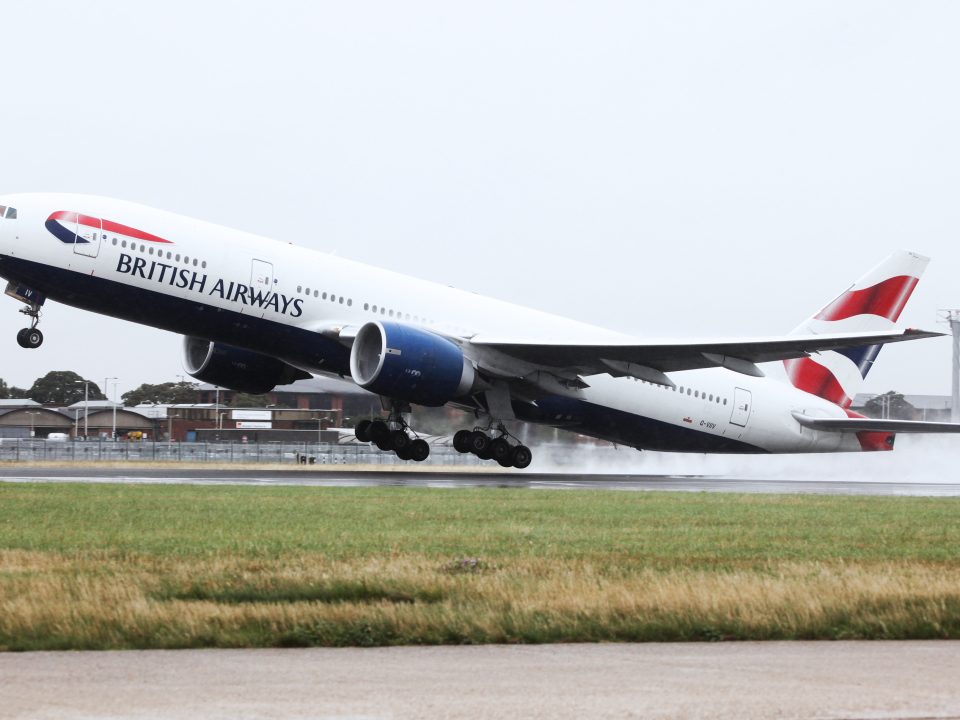
The workers’ displeasure at what representatives have called an “unprecedented attack on established rights” will make itself felt across approximately 500 flights on that day, according to initial estimates by the National Union of Civil Aviation Flight Personnel (SNPVAC). An internal union document seen by national news outlet Notícias ao Minuto highlights that travellers’ journeys could also be impacted on “the days before and after” the walkout.
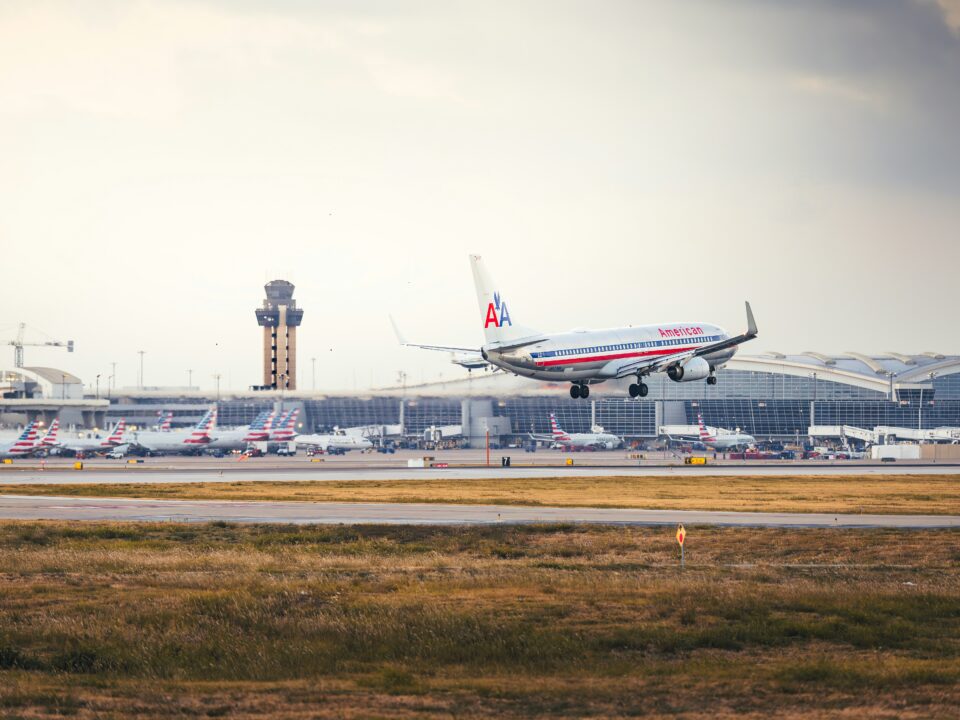
Cabin crew operations for TAP, its regional providers Portugália and SATA, will suffer up to 79% staff absence, and other airlines are bracing for a difficult time. Ensuing staff shortages could create problems at the start of the summer season for Europe’s largest airline by passenger numbers, Ryanair, and its low-cost rival easyJet, which fly out of Portuguese hubs.
Trouble is not only predicted in the skies, but on trains, ferries, buses and metros too. The communications and transport syndicate FECTRANS has “guaranteed a strong mobilisation of the sector.”
It all means that users of ground transport services should be aware of the likelihood of challenging travel conditions on and around 3 June, with impacts probable on the Lisbon Metro, Carris, Transtejo/Soflusa, Fertagus, Porto Metro, STCP and CP – Comboios de Portugal.
During similar strikes over the same grievances in December 2026, the Portuguese transport network was brought to a standstill, with rail services shut down and hundreds of flights wiped from schedules.
Portugal is already labouring under the burden of the new controls rolled out as part of the European Entry Exit System (EES). The national guard was brought into Humberto Delgado Airport earlier in the spring, and now it has been announced that extra police will be deployed to the country’s Schengen-border airports to help manage the hours-long queues that have developed as travellers complete biometric data checks for the first time.
With that existing chaos at airports in mind, the upcoming strike threatens to be a dark day for Portuguese transport. Accordingly, travellers are urged to look at alternative dates and to leave themselves plenty of additional time for any unavoidable journeys.