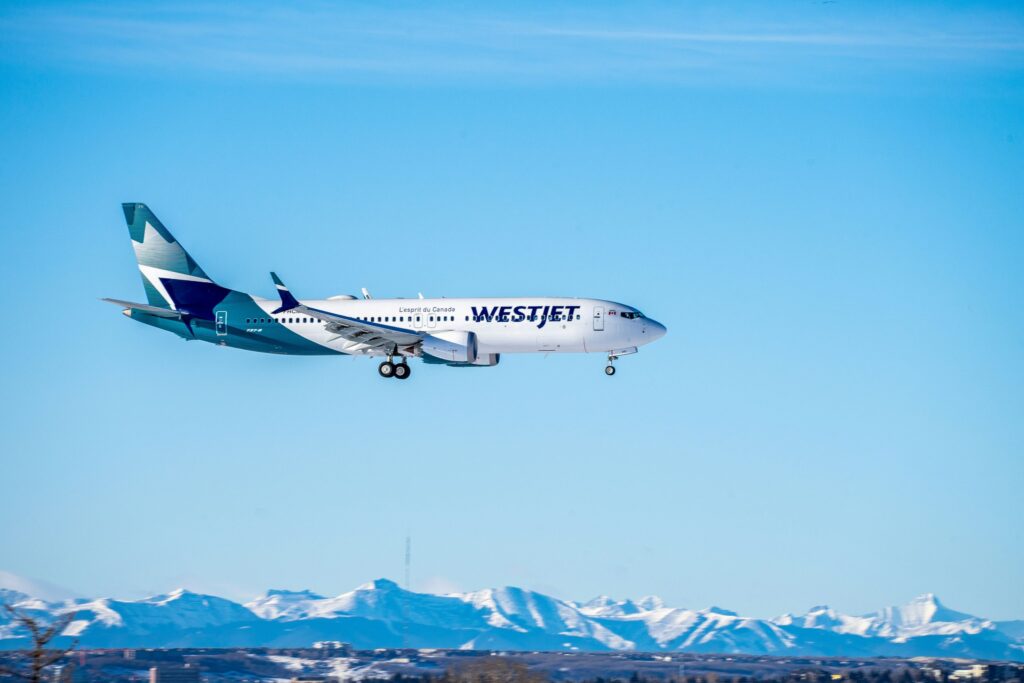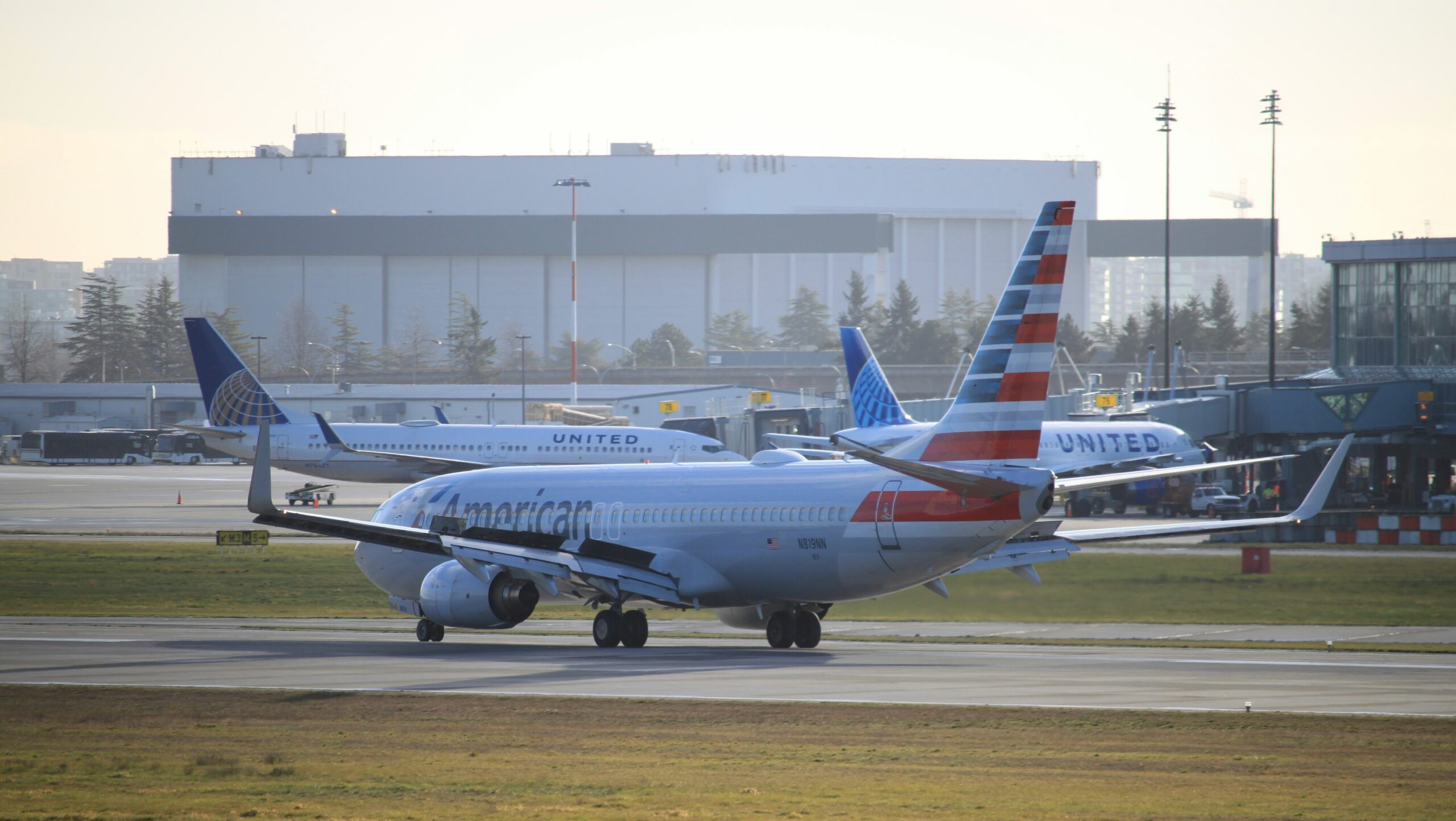


Direct air links between the United States and Lebanon could resume for the first time in more than four decades after US President Donald Trump directed his administration to allow American airlines to fly directly to the country.
Trump announced the decision on Tuesday, 21 July, following a meeting with Lebanese President Joseph Aoun at the White House. Direct flights between the two countries have been suspended since 1985.
“I am hereby directing my Administration to allow all US airline carriers to fly directly to Lebanon so that Americans can easily visit this beautiful land,” Trump said in a post on Truth Social.
The move could eventually restore an important direct connection between Lebanon and the United States, home to a sizeable Lebanese diaspora. However, no airline has yet announced a route or a date for the resumption of services.
Before direct flights can begin, US authorities are expected to conduct an extensive security assessment of Beirut-Rafic Hariri International Airport and certify that the necessary safety requirements are met.
The US Federal Aviation Administration (FAA) welcomed the decision, saying it looked forward to working with airlines and other government agencies to implement the presidential directive and “support the safe return of flights to Lebanon.”
Flights suspended since 1985
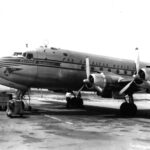
Direct US-Lebanon services were suspended under President Ronald Reagan’s administration in 1985 following the hijacking of TWA Flight 847.
The flight, travelling from Athens to Rome, was hijacked shortly after take-off and diverted to Beirut. During the hostage crisis, which lasted more than two weeks, US Navy diver Robert Stethem was killed and dozens of passengers were held hostage.
🚨🇱🇧✈️ 1985 TWA Flight 847 Hijacking: The Attack That Turned Beirut Into a Global Symbol of Air Terrorism
— Özer ARSLANPAY (@arslanpaytr) July 22, 2026
In June 1985, Hezbollah operatives hijacked Trans World Airlines (TWA) Flight 847, holding 145 passengers and crew hostage for 17 days in one of the most infamous acts of… https://t.co/9yXNXVHQfq pic.twitter.com/ETTDEAhaaS
The episode contributed to Washington’s decision to prohibit direct air services between the United States and Lebanon, a restriction that has remained in place for more than 40 years.
Lebanese Prime Minister Nawaf Salam welcomed Trump’s announcement, saying it represented “a significant opportunity to enhance travel and connectivity between Lebanon and the United States, and to support the Lebanese economy.”
The announcement also came during the first visit to Washington by a Lebanese president since 2009. Aoun travelled to the US seeking support for greater stability in Lebanon following successive periods of conflict involving Israel and Hezbollah.
Security concerns remain
Despite the announcement, significant obstacles remain before passengers can board a direct US-Lebanon flight.
Lebanon currently has one operational international passenger airport, Beirut-Rafic Hariri International Airport, located south of the capital. The airport continued operating through much of the recent conflict between Israel and Hezbollah, although services were disrupted during periods of heightened military activity.
Lebanon has also begun work to convert the Qlayaat airbase, near the Syrian border in the north of the country, into a civilian passenger airport, potentially giving the country a second international gateway.
.@POTUS meets with Lebanese President Joseph Aoun in the Oval Office: "It's a great pleasure to be with the President of Lebanon. He's highly respected… and the relationship is very good. I think that Lebanon has been a very mistreated country for a long period of time." pic.twitter.com/glqH1TzwSb
— Rapid Response 47 (@RapidResponse47) July 21, 2026
Whether US airlines will be willing to launch services to Beirut in the near future also remains uncertain given continuing security concerns and instability affecting aviation across parts of the Middle East.
The US State Department continues to advise Americans against travelling to Lebanon, citing risks including armed conflict, terrorism, kidnapping and civil unrest.
Trump nevertheless expressed hope that the US decision would encourage other countries to strengthen their air links with Lebanon.
The reopening of the US market would mark a major symbolic change for Lebanon’s international connectivity after more than four decades without direct passenger flights to the United States. The next step will be the completion of US security assessments and, crucially, whether airlines decide there is sufficient demand and operational certainty to launch routes.