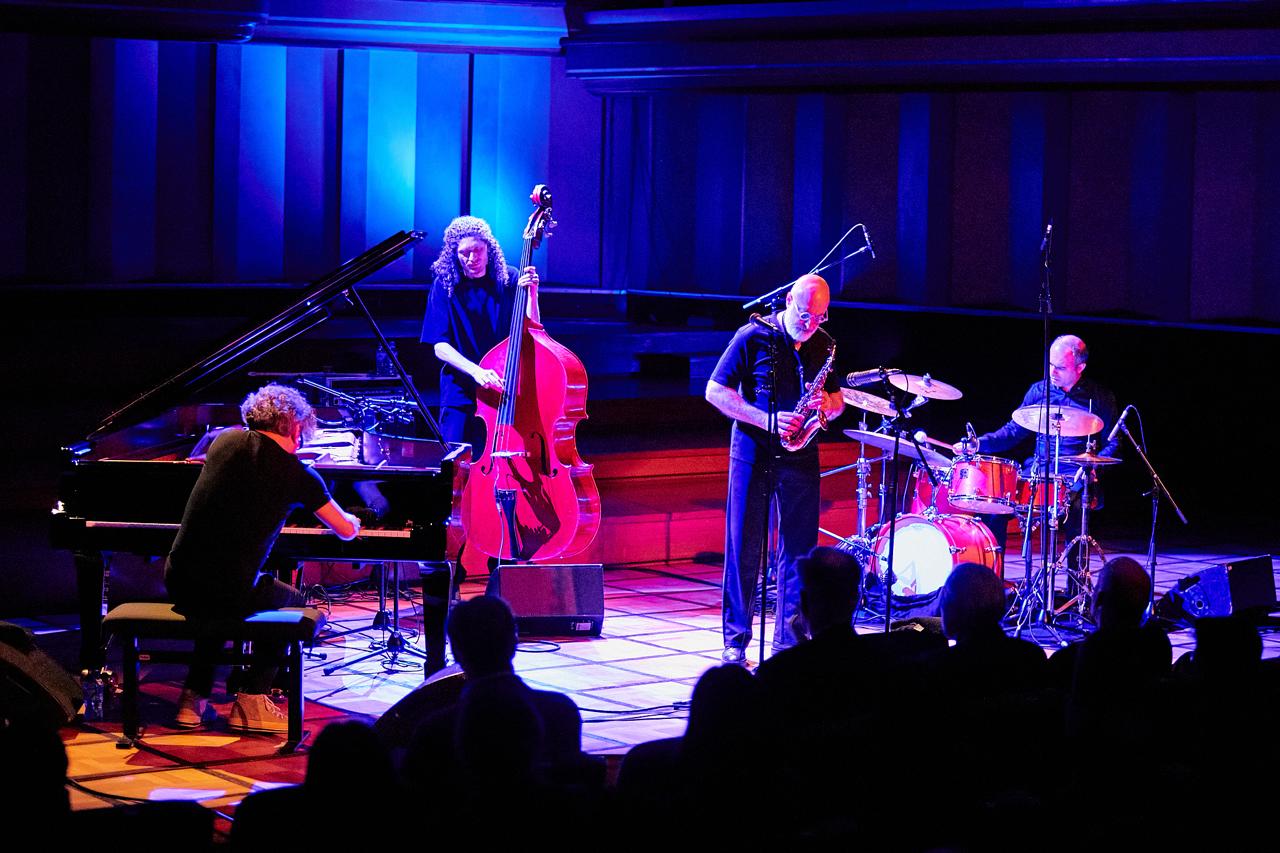




It may still be relatively little known outside its borders, but the jazz scene in Azerbaijan is particularly vibrant.
Known for its distinctive improvisational style and unique fusion of Eastern musical traditions with Western jazz, Azerbaijani jazz covers a broad range of styles, including traditional, post-bop and fusion. It often blends seamlessly with traditional Azeri music.
The best-known form of Azerbaijani jazz is jazz mugham, a sultry combination of Mugham and traditional American jazz.
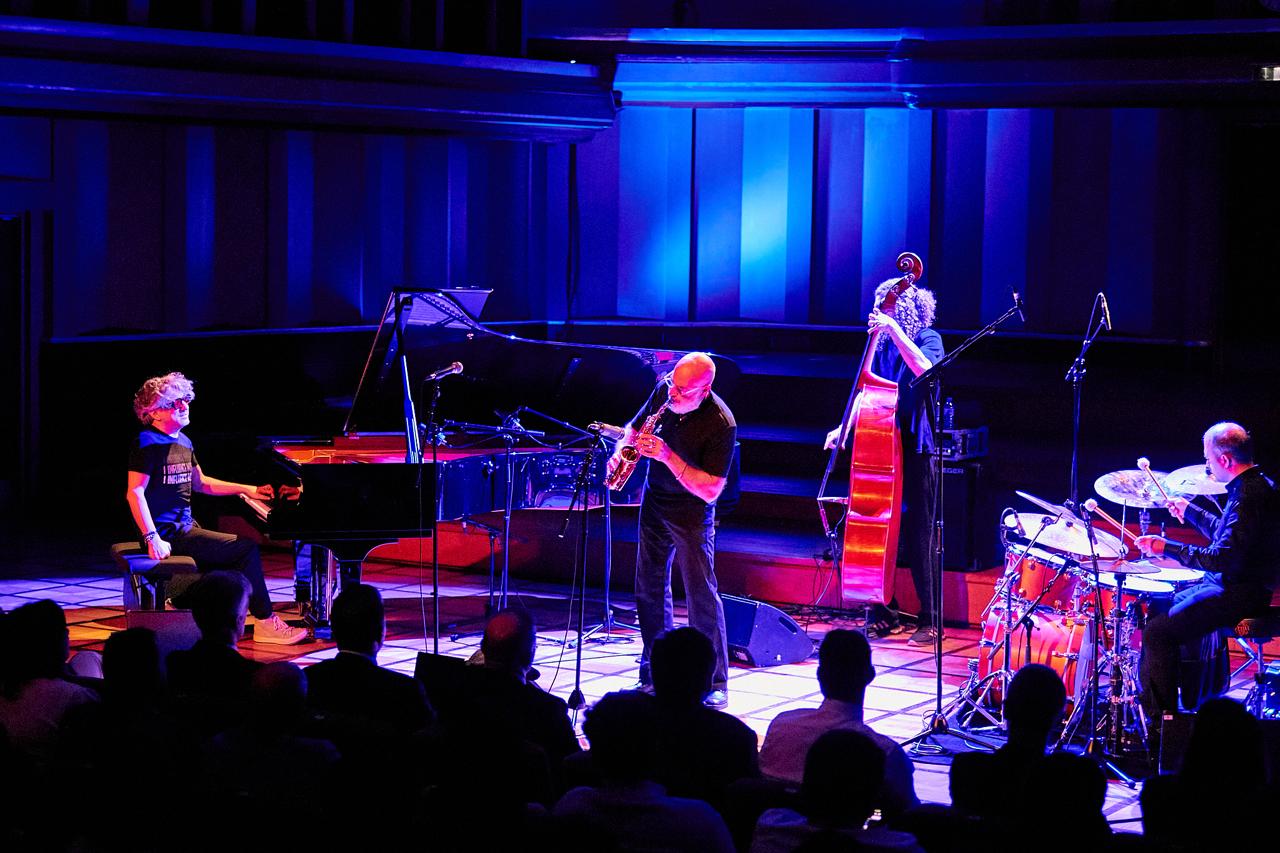
A Brussels audience this week was treated to a taste of this unique musical heritage during a special concert dedicated entirely to Azerbaijani jazz at Flagey.
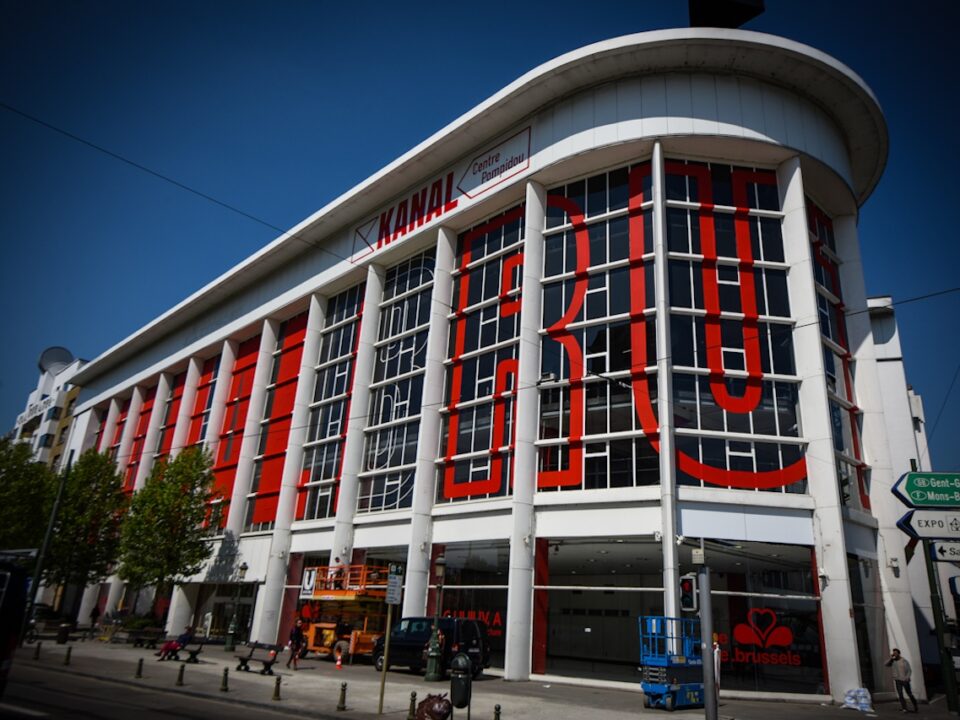
The concert, held on Monday, was organised by the Embassy of the Republic of Azerbaijan to Belgium and took place at one of Brussels’ most renowned cultural venues, itself known for a rich jazz tradition.
The event featured distinguished Azerbaijani jazz musicians Rain Sultanov, Shahin Novrasli, Nicat Pashazade and Hasan Bilalov, who performed selected works from Azerbaijan’s musical repertoire.
In his opening remarks, Mammad Zulfugarov, Chargé d’Affaires a.i. of the Embassy, described Azerbaijani jazz as “an integral part of the country’s rich musical heritage”.
He stressed the importance of such cultural initiatives in promoting Azerbaijan’s culture and traditions internationally.
Belgian musician, jazz artist and composer Quentin Dujardin praised the Azerbaijani jazz school for its “distinctive style”.
From Soviet prohibition to ethno-jazz
Jazz became hugely popular in Azerbaijan in the 1920s, with pianist Tofig Guliyev and conductor Niyazi creating the country’s first jazz orchestra in the 1930s. However, after the Second World War, the genre was banned across the Soviet Union, forcing many musicians underground.
During this period of prohibition, pianist and composer Vagif Mustafazadeh began incorporating mugham elements into jazz from his apartment in Baku’s old city, creating an entirely new subgenre. Mustafazadeh is today considered the founder of Azerbaijani jazz, also known as jazz mugham. Although he was unable to freely perform his music internationally at the time, his legacy endured and evolved into what is now known as ethno-jazz.
“Just like jazz, mugham is multifaceted, inexhaustible, based on improvisation and possessing different forms. In Baku, a new and already local subgenre of jazz organically and subtly merged into one, wisely and philosophically revealing to us the intricacies of jazz improvisation in mugham stops,” Rain Sultanov wrote about the emergence of ethno-jazz.
A flourishing jazz scene in modern Azerbaijan
Following the end of the Soviet-era prohibition, jazz resurfaced and flourished once again in Azerbaijan.
In 1969, the first jazz festival was held in Baku. Since the 2000s, the country has seen a growing number of jazz and music festivals held annually. The Baku Jazz Centre was also created to support the development of jazz culture in Azerbaijan.
The Baku International Jazz Festival, organised every year since 2005, celebrates jazz music while encouraging and supporting young emerging musicians.
Recalling his participation in the Baku Jazz Festival, Quentin Dujardin also shared positive impressions of Azerbaijan’s vibrant jazz scene, talented musicians and the festival’s high level of organisation.
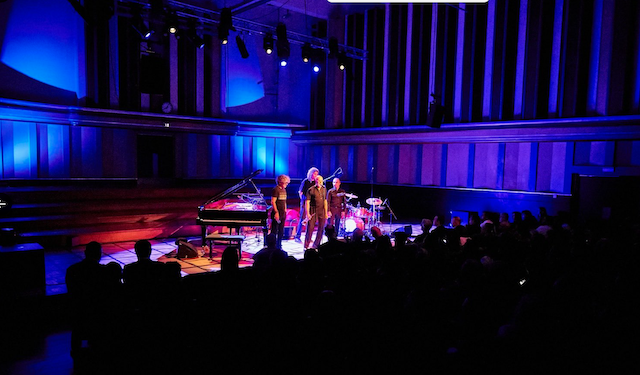
The concert in Brussels was warmly received by the audience and widely appreciated as a valuable contribution to promoting Azerbaijani musical heritage and jazz culture in Belgium.
The event was attended by diplomats, Belgian and European Union officials, representatives of cultural and artistic circles, members of the music community and representatives of the Azerbaijani diaspora.
Louis Armstrong once famously said: “If you have to ask what jazz is, you’ll never know.” In Azerbaijan, it seems people do not simply listen to jazz, they feel it.