The seeming paradox as air travel veers between low-cost and luxury operations was again apparent this week after budget airline Wizz Air announced a new set of perks available to passengers who pay for them.
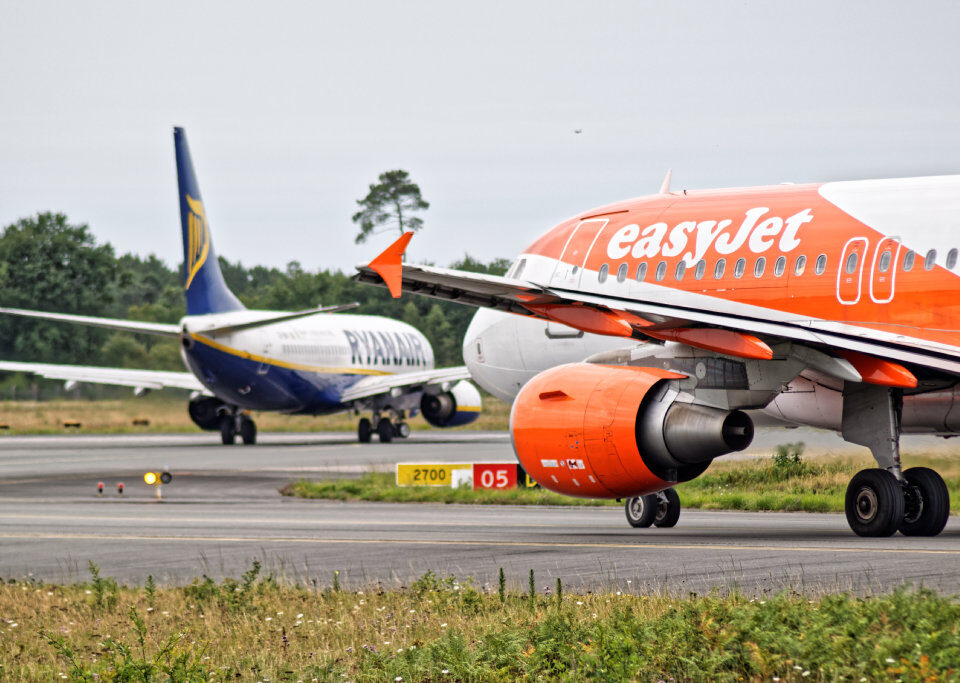
The Hungarian carrier’s new, so-called “Wizz Class” offer, is set to be trialled from December 2025 on selected routes out of five cities: Bucharest, Budapest, London, Rome, and Warsaw. It entails passengers paying to block the middle seat in the first rows of the aircraft’s seating configuration, giving them a little extra room to breathe, and avoiding fights over armrests and “manspreading.”
The cost of the feature has not yet been confirmed but Wizz’s Senior Chief Commercial & Operations Officer Michael Delehant said at a press conference: “In terms of fares, it’s never going to be more than buying the cost of another seat. It’s not meant to be a money-grab.”
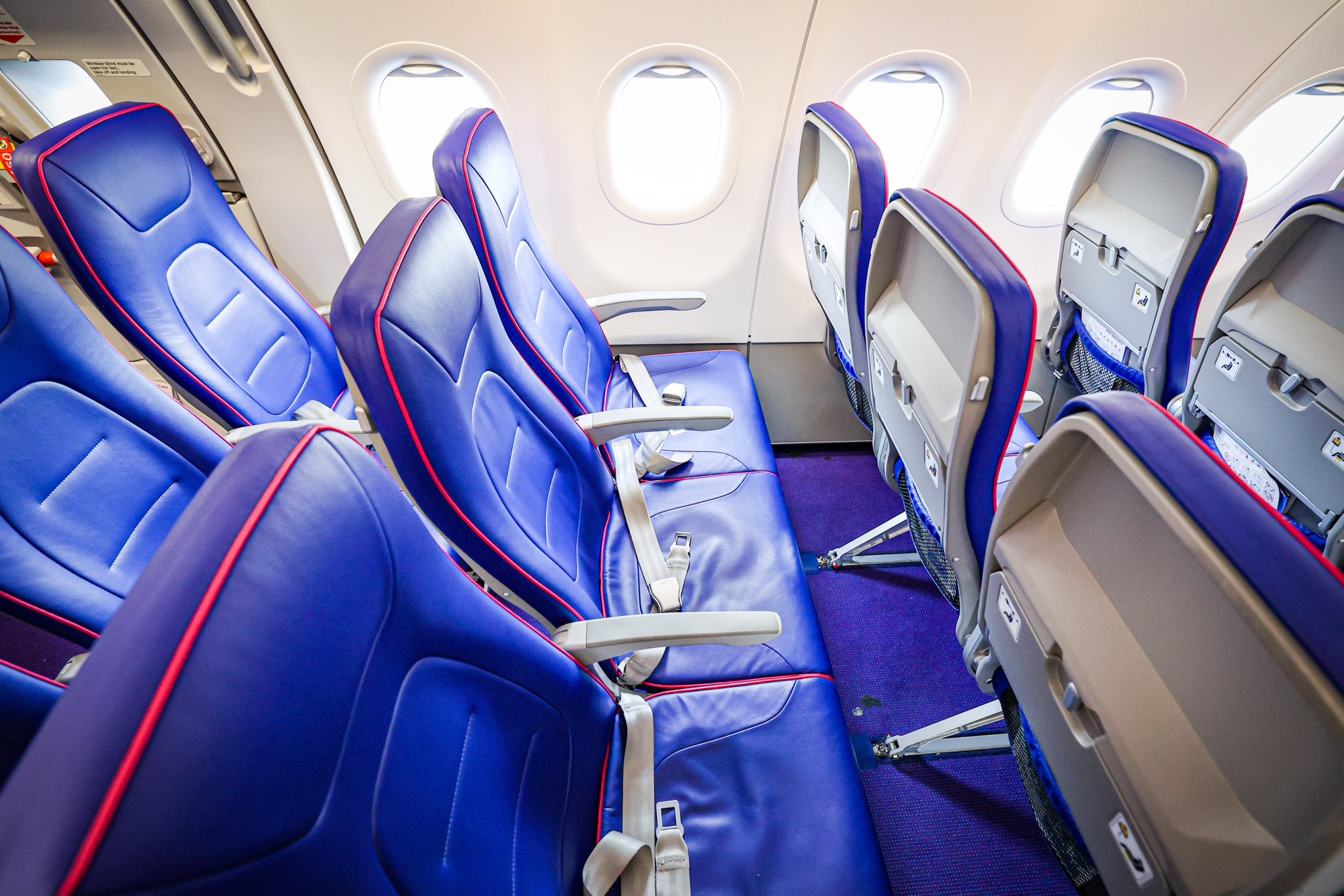
The pilot scheme will also guarantee Wizz Class passengers priority boarding, a carry-on bag and overhead bin space, meaning they should never have to check their carry-on baggage due to a lack of room. These privileges appear to marry those offered under other categories of ticket such as “Wizz Plus” and “Privilege Pass” which give seat selection options. The airline is also set to introduce “Wizz Play” branded Wi-Fi and a new infotainment system on some flights.
Silvia Mosquera, Wizz Air commercial officer, told reporters the new class of travel was designed for those “seeking more space, comfort and a quicker exit from the aircraft,” and, speaking to The Independent, said the concept was the result of customer feedback from “business travellers who value low-cost travel options and prefer additional space during the flight.”
Many airlines already seek to spread customers apart when balancing their seating plan, especially for long-haul flights. On recent flights between Brussels and China with Hainan Airlines, the policy was obvious to this Travel Tomorrow writer. But now Wizz is formalising the process and making it payable – and it is not the only airline to be exploring ways to tap into customers’ desire for a higher-end travel experience.
In the United States, Southwest caused controversy this summer when it declared a change of policy towards assigned seating and payable options, and JetBlue offers an “EvenMore” premium programme. Meanwhile, down under, Virgin Australia is introducing “neighbour-free seating” on domestic and short-haul international trips, with customers able to bid for the privilege during app booking, for a minimum $30 (approx. €17). And Florida-based start-up Magnifica Air has vowed to go further, saying by 2027 it will offer private jet-style travel that is as accessible as a scheduled flight.