


Nestled in the heart of the Ardennes and embraced by a sweeping bend of the River Semois, the Belgian town of Bouillon combines centuries of history with outdoor adventure. Best known for its imposing medieval fortress and its links to Godfrey of Bouillon, one of the leaders of the First Crusade, the town also offers easy access to the Ardennes’ forests, ideal for scenic hiking, cycling and kayaking. Whether visitors are interested in heritage, nature or active getaways, Bouillon offers a destination where historical charm and scenic landscapes of the Ardennes come together in one of Belgium’s most picturesque settings.
Step inside Bouillon’s medieval past
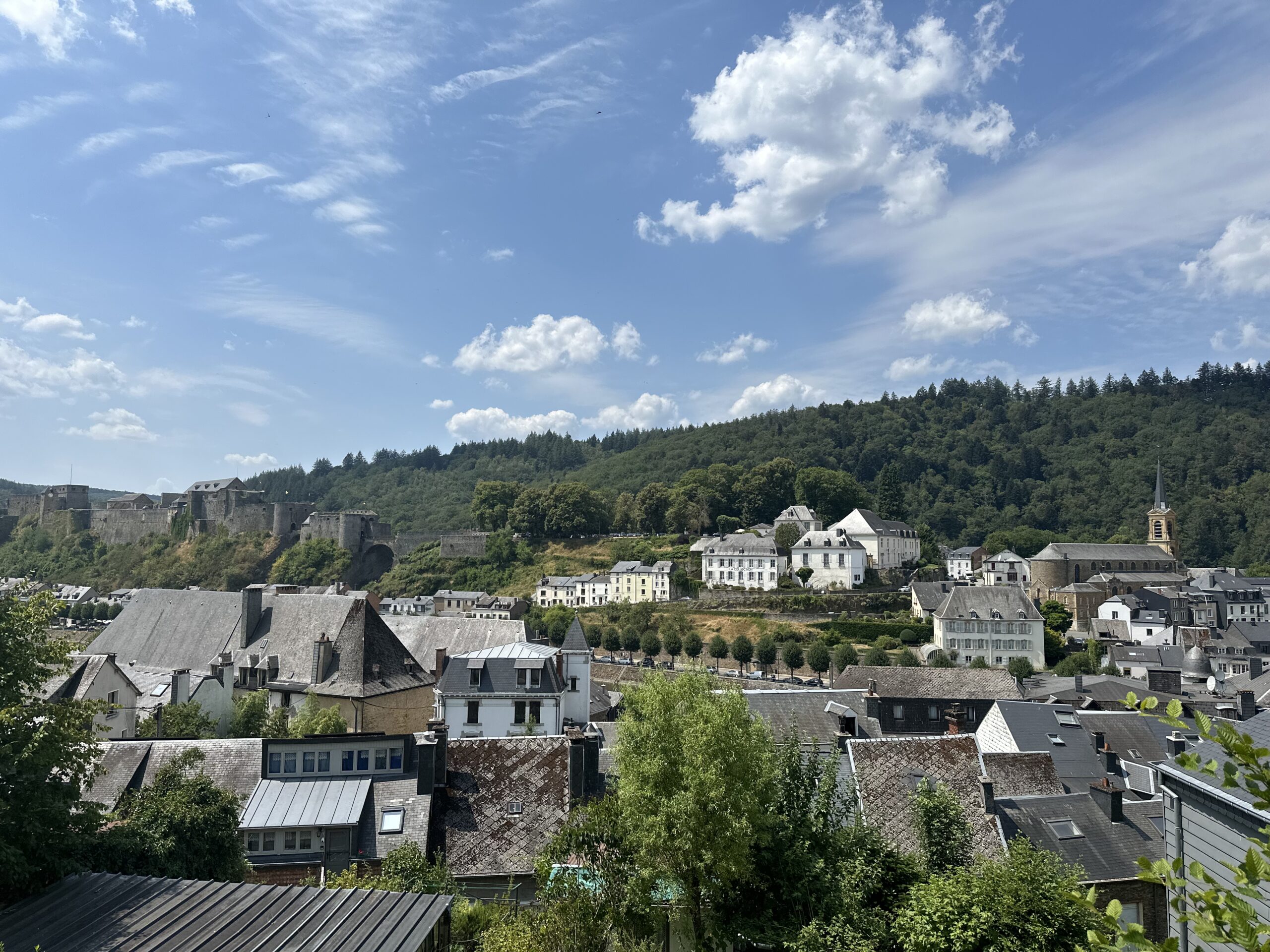
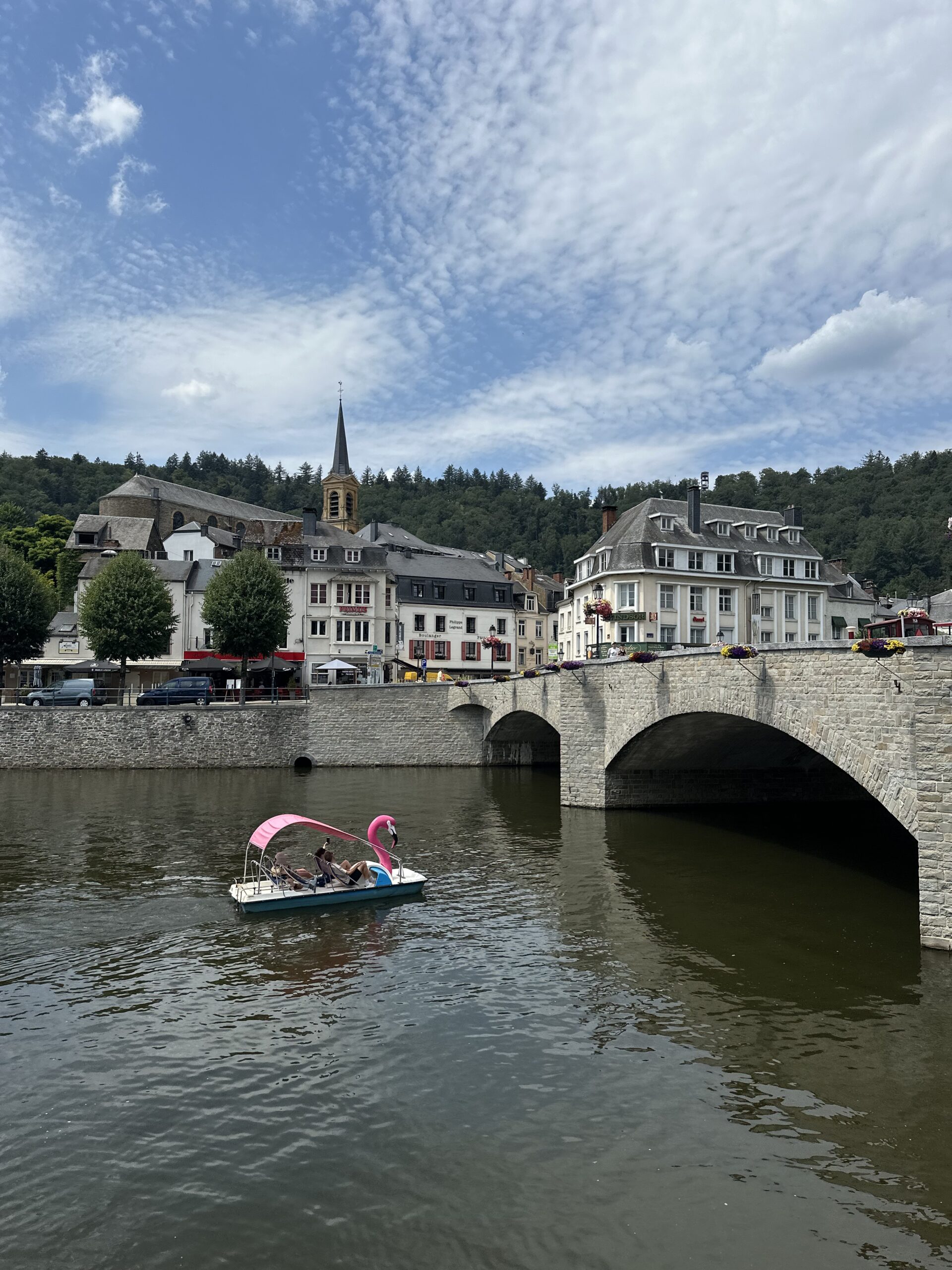
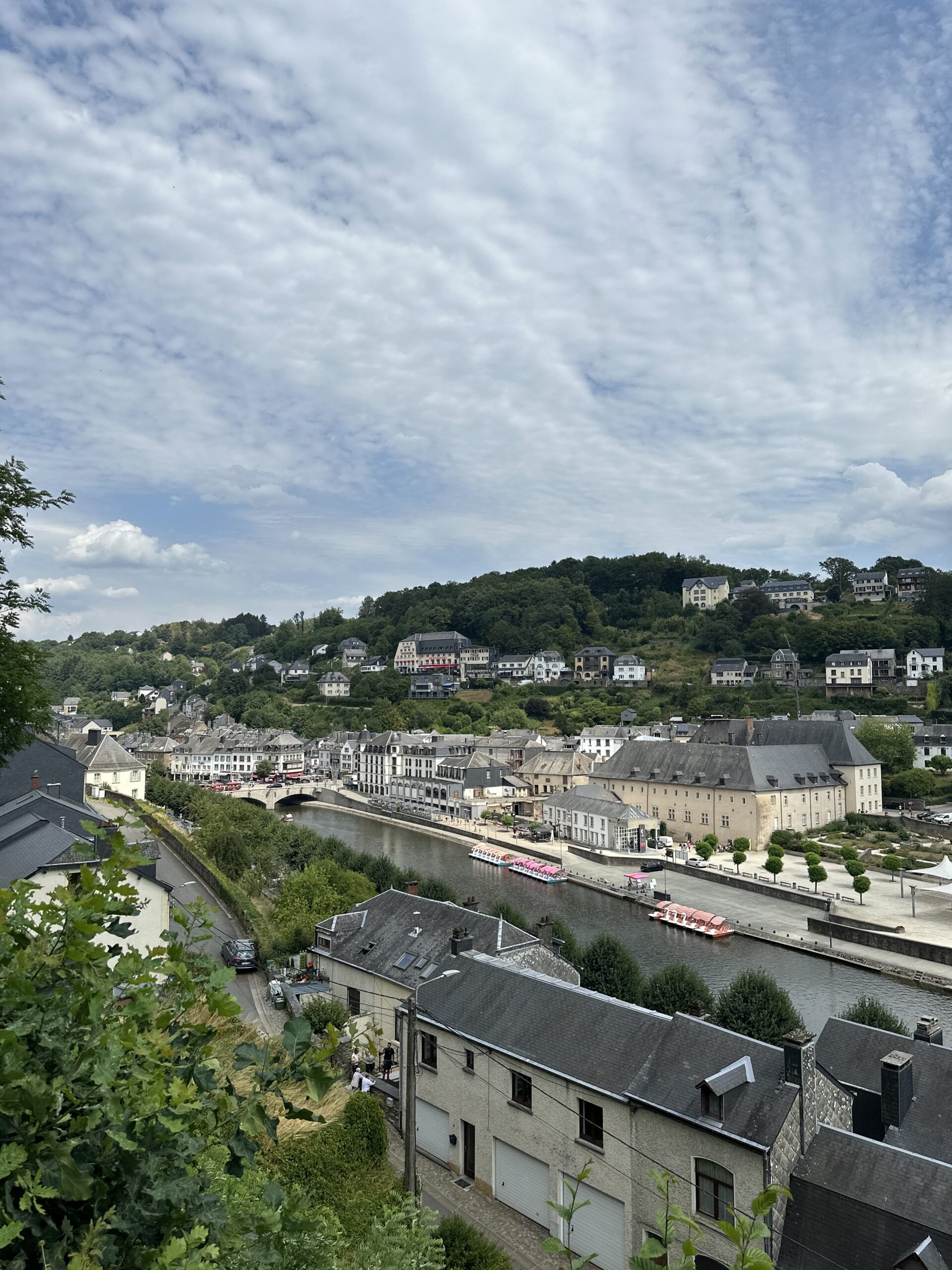
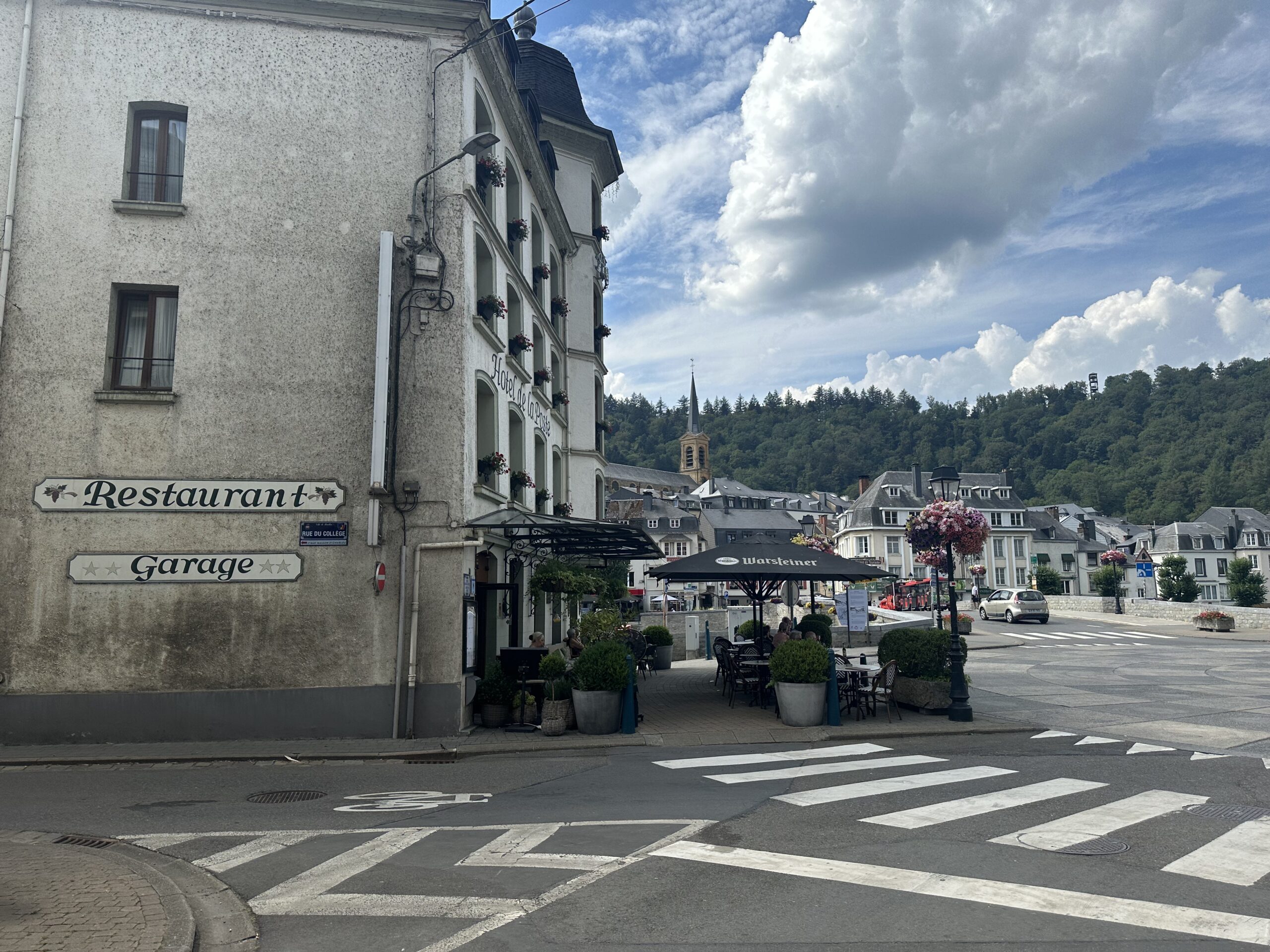
The best way to discover Bouillon is simply by wandering its historic streets. The town is wrapped almost entirely by the River Semois, with stone houses, cafes and bridges leading visitors towards the fortress that rises above the valley.
To begin exploring Bouillon, visitors can follow the town’s heritage walk, which passes more than 20 listed buildings and monuments. The route includes the former Convent of the Sépulcrines, now home to the Archeoscope, historic 17th– and 18th-century buildings, and the charming Brittany district at the foot of the castle. Along the way, visitors can also see remnants of Bouillon’s 17th-century defensive walls, including three surviving bastions that once formed part of the town’s fortifications.
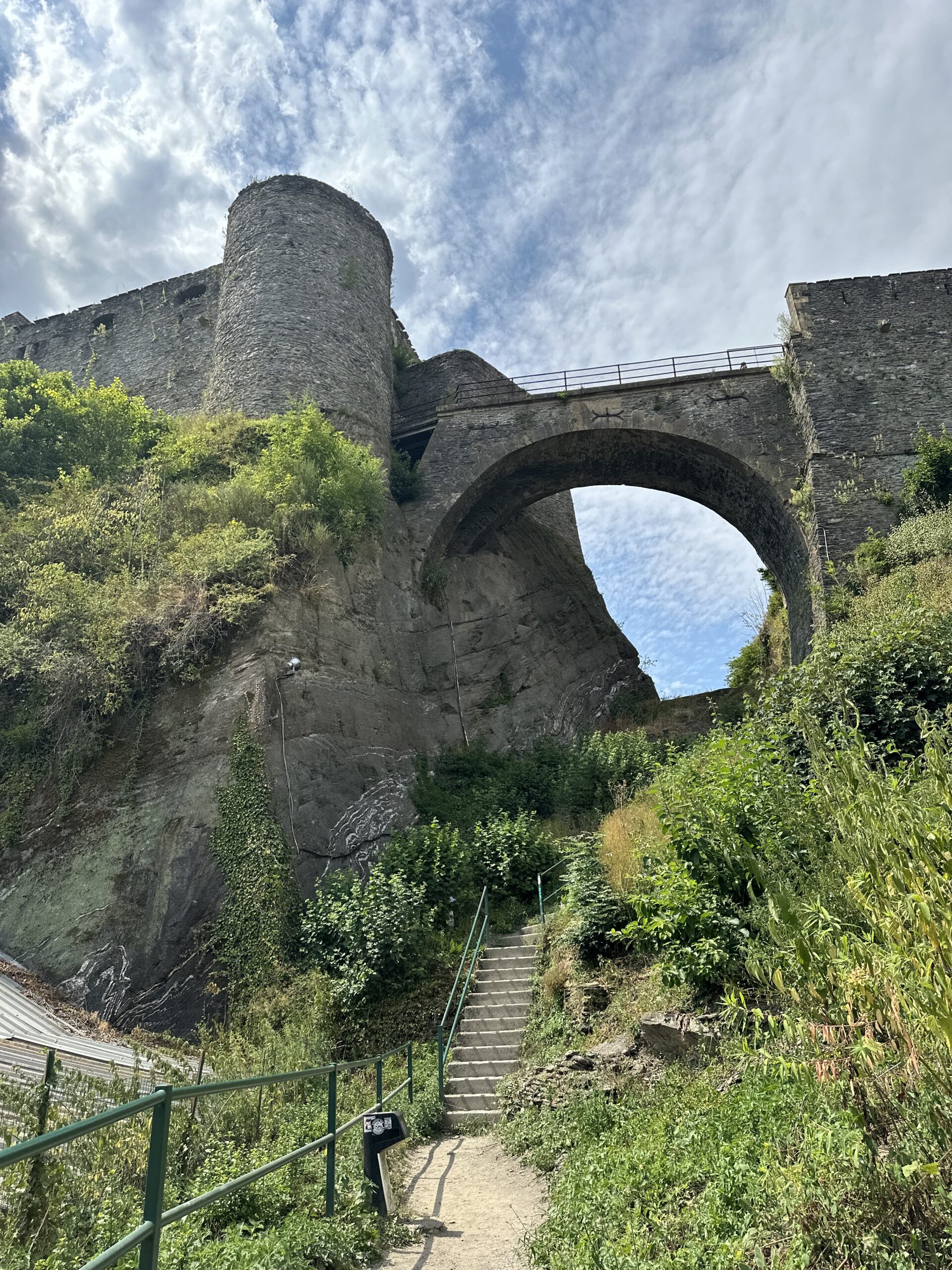
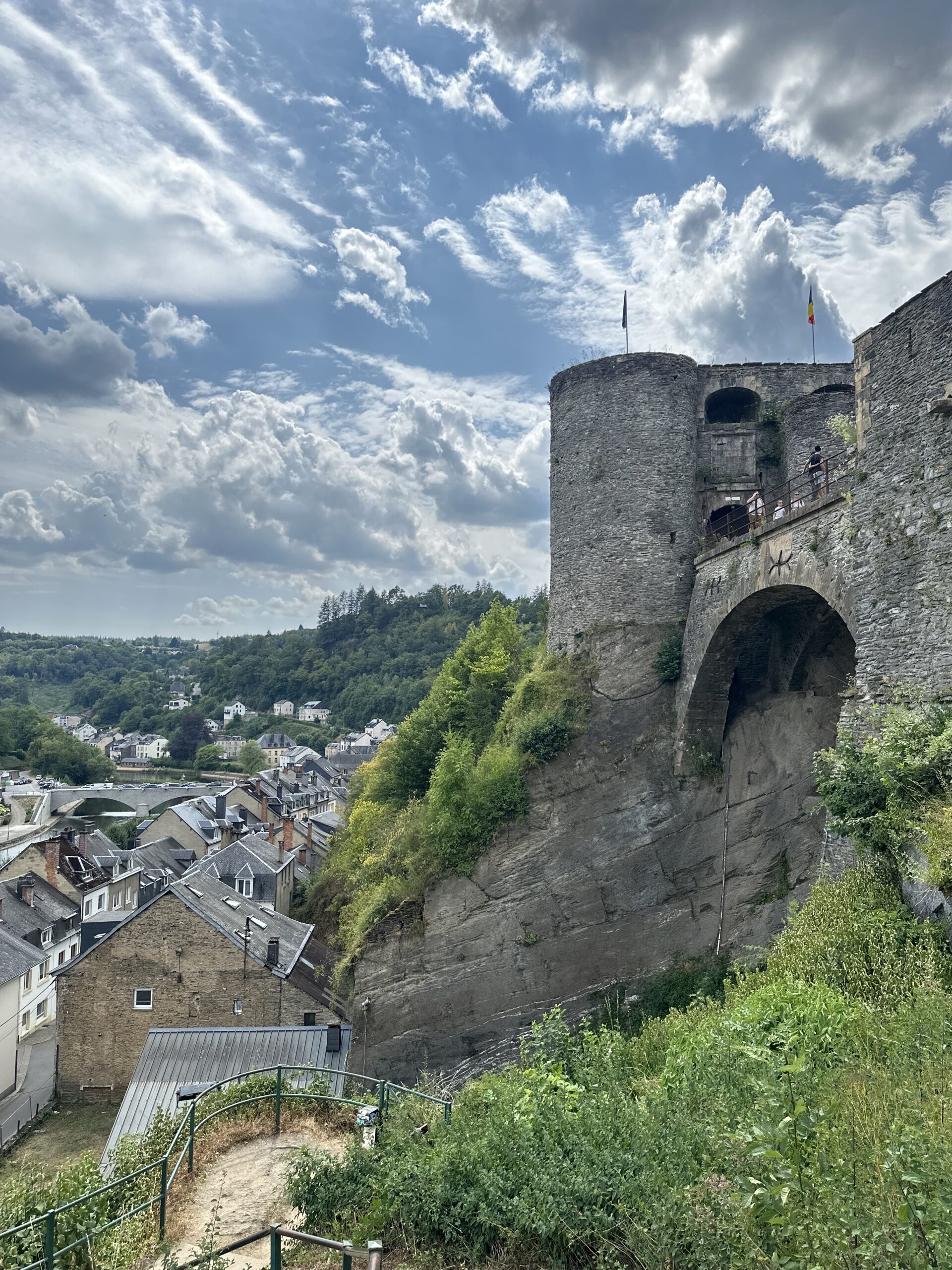
Towering above the town is Bouillon Castle, one of Belgium’s oldest and best-preserved medieval fortresses. Built on three rocky peaks overlooking the Semois, the site has guarded this strategic location for almost a thousand years. The earliest written mention of the castle dates back to 988, although historians believe fortifications may have existed even earlier, dating back to the Gallo-Roman era.
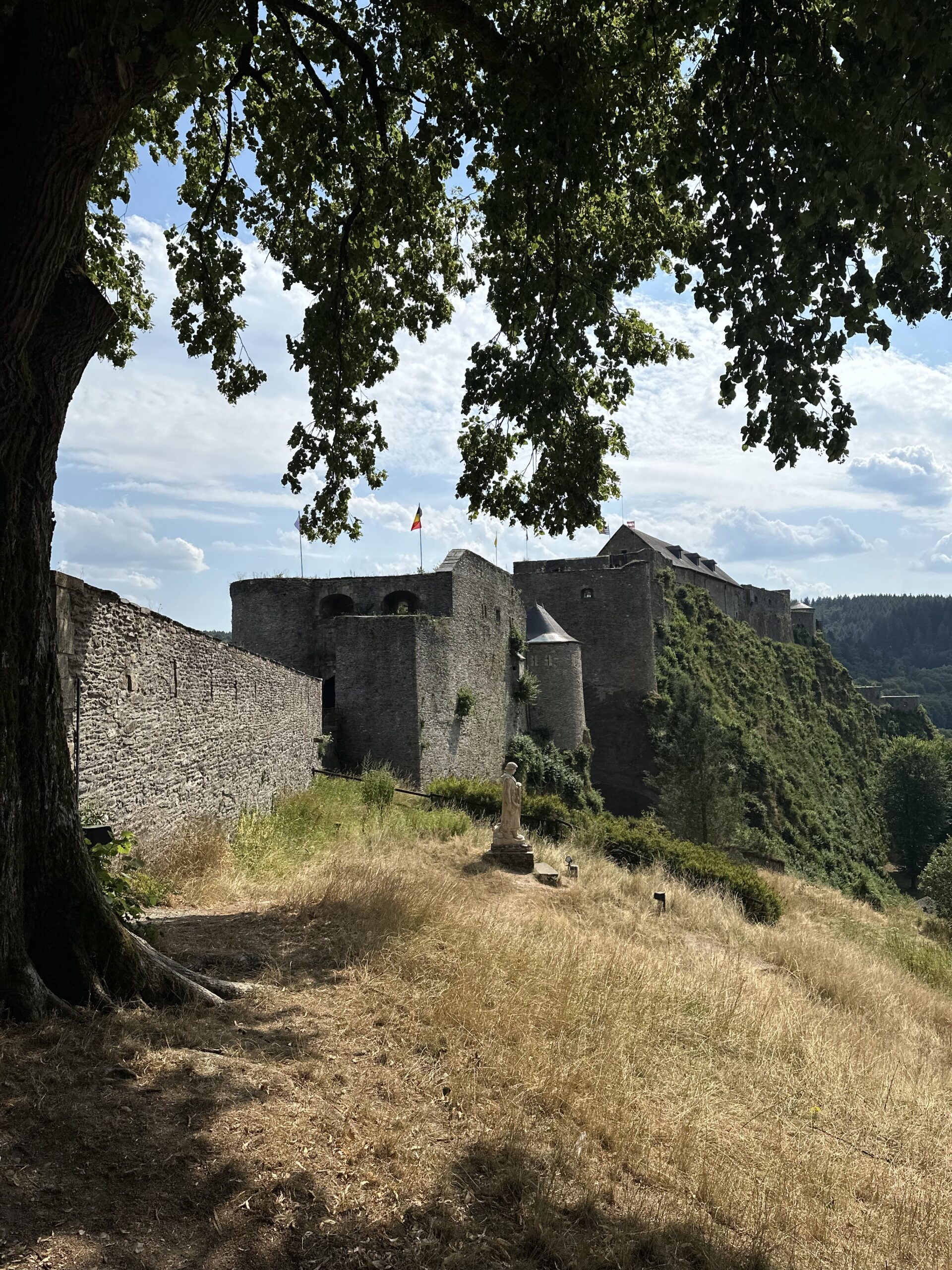
Bouillon Castle is deeply connected to the legacy of Godfrey of Bouillon. In 1096, he sold the fortress to the Prince-Bishop of Liège to help fund his participation as one of the leaders of the First Crusade. Following Godfrey’s death in Jerusalem in July 1100, his younger brother Baldwin took over his role and became the first officially crowned King of Jerusalem.
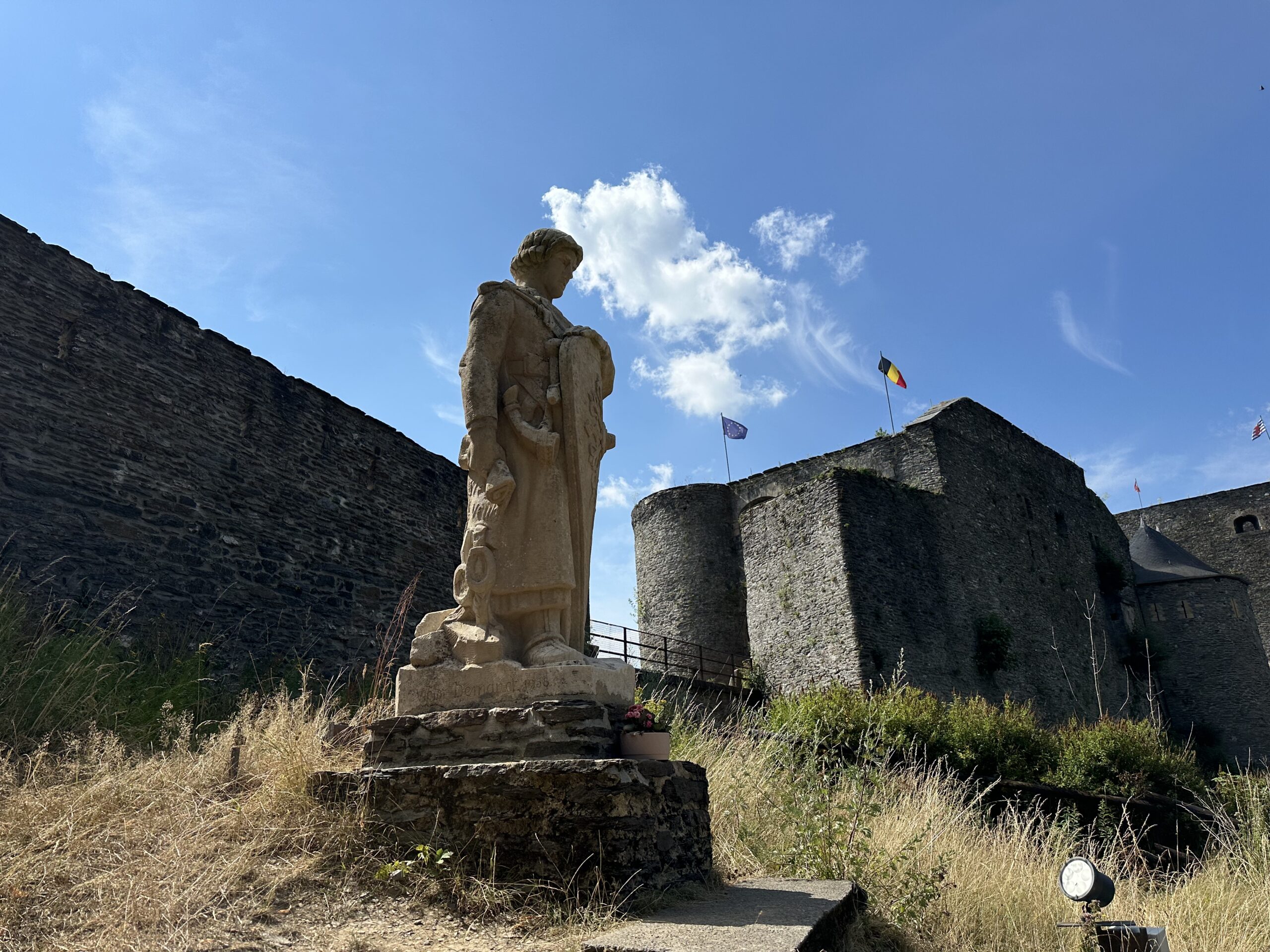
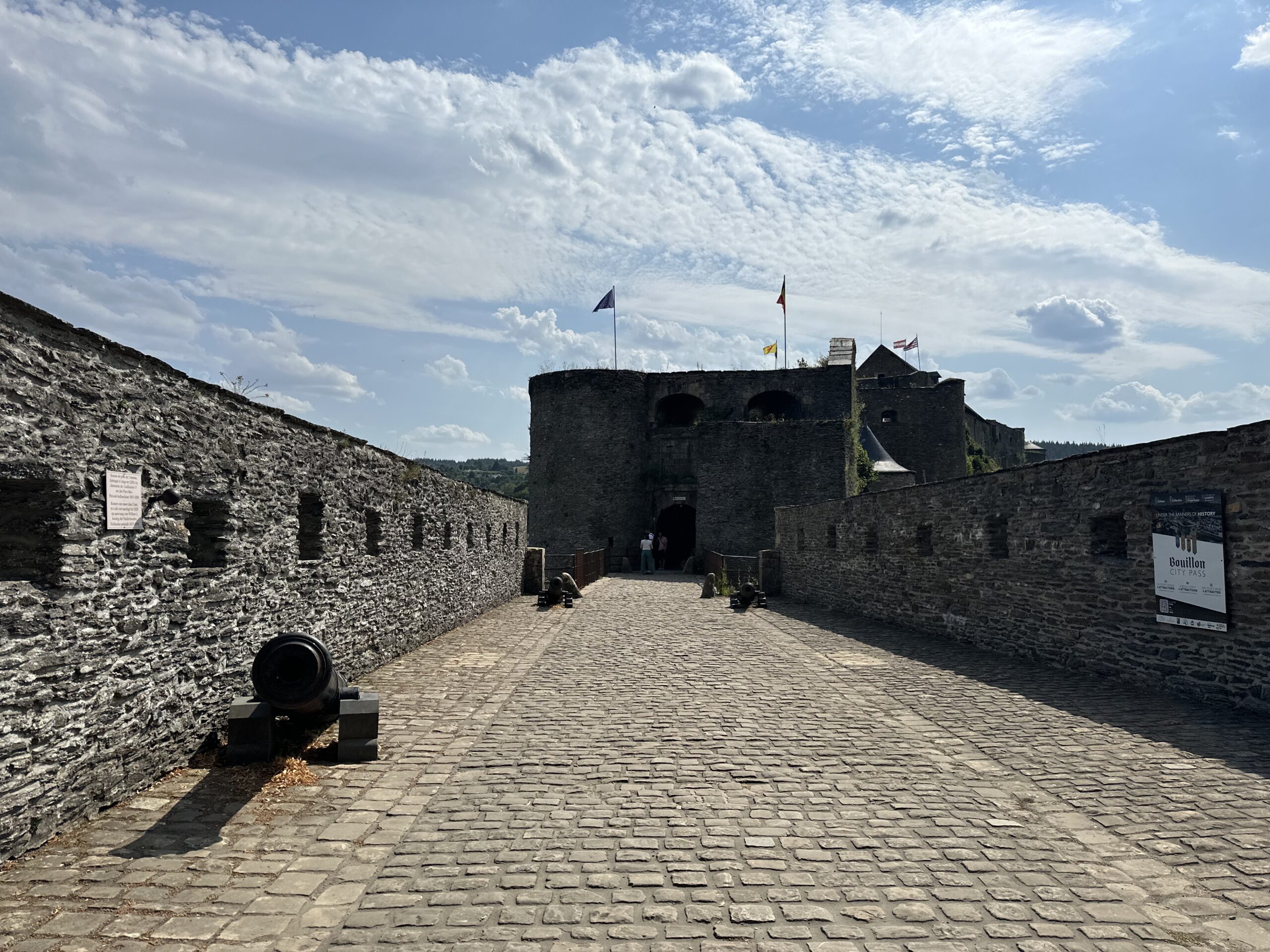
Over the centuries, the fortress changed hands several times before being extensively reinforced by the renowned military engineer Vauban during the reign of Louis XIV. His work created the impressive blend of medieval and early modern military architecture that can still be seen today.
Inside, the castle is a maze of underground galleries, tunnels, staircases and defensive passages. Visitors can climb towers overlooking the Semois Valley, walk along fortified ramparts and descend into dark dungeons that reveal how the fortress was designed to withstand prolonged sieges. One of its most remarkable engineering features is a deep well, which reaches a depth of 165 metres — below the level of the River Semois — ensuring a continuous water supply for the fortress in the event of a siege. Nearby, a giant wooden wheel once allowed men to draw water from the depths by walking inside the mechanism.
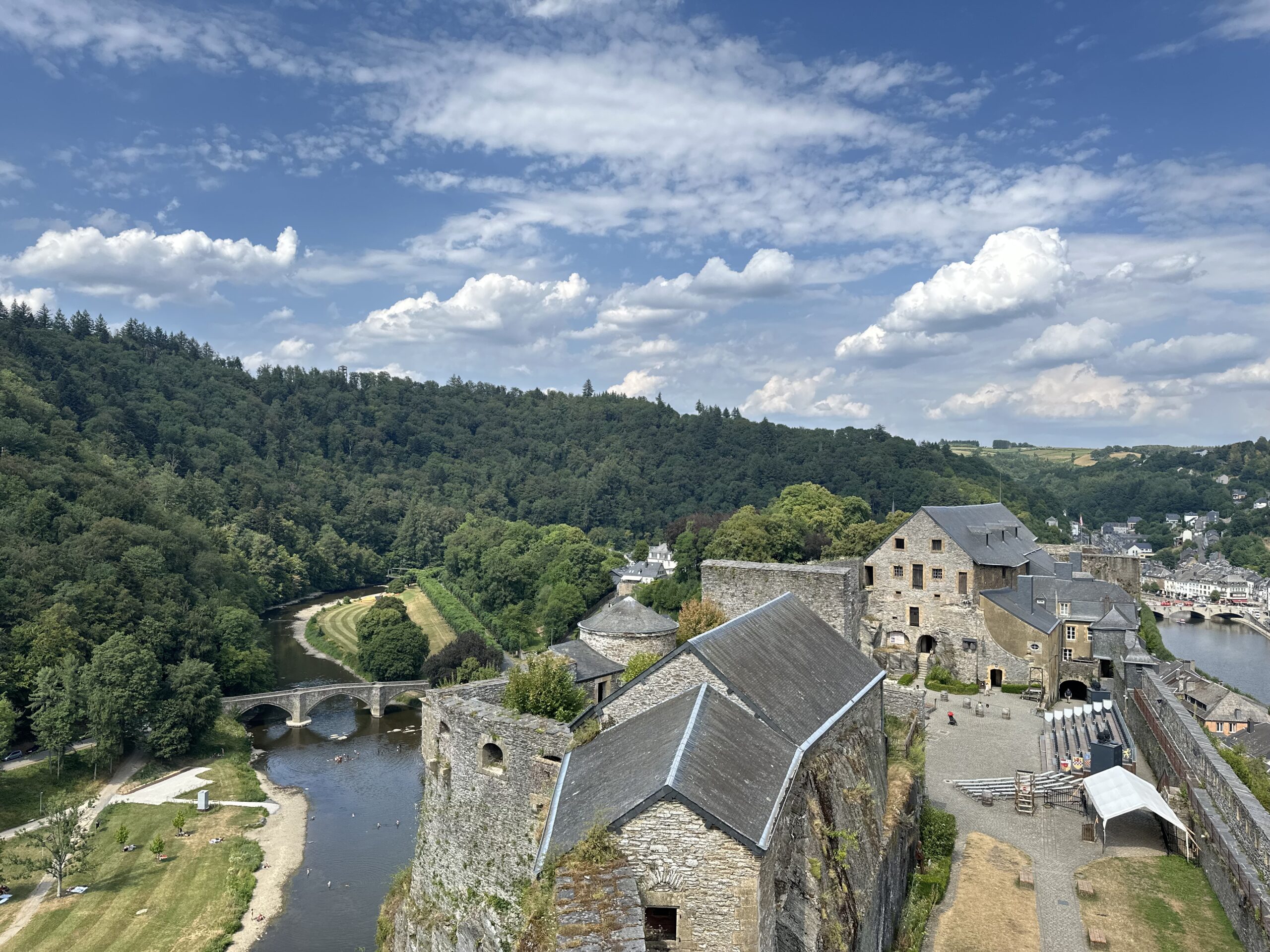
Among the castle’s highlights is the Primitive Room, one of its oldest surviving sections dating back to the 13th century. The spacious Godfrey of Bouillon Room, once used as an indoor stable, now displays historical artefacts, while another section of the fortress hosts the permanent Scriptura exhibition, preserving inscriptions left by patients when the upper floor served as a military hospital in the 19th century. Weapons from the 16th century line several chambers, adding to the fortress’s immersive atmosphere.
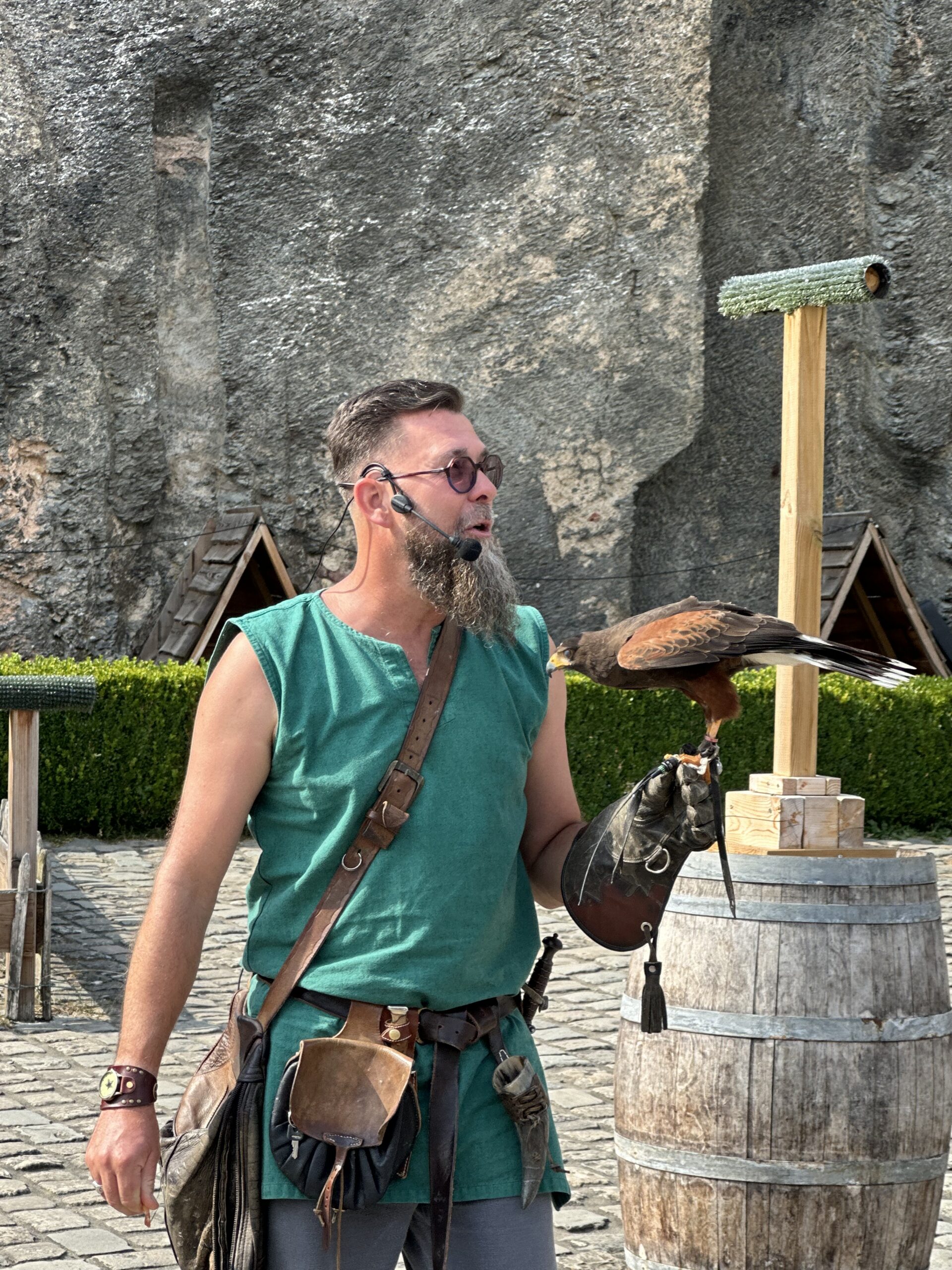
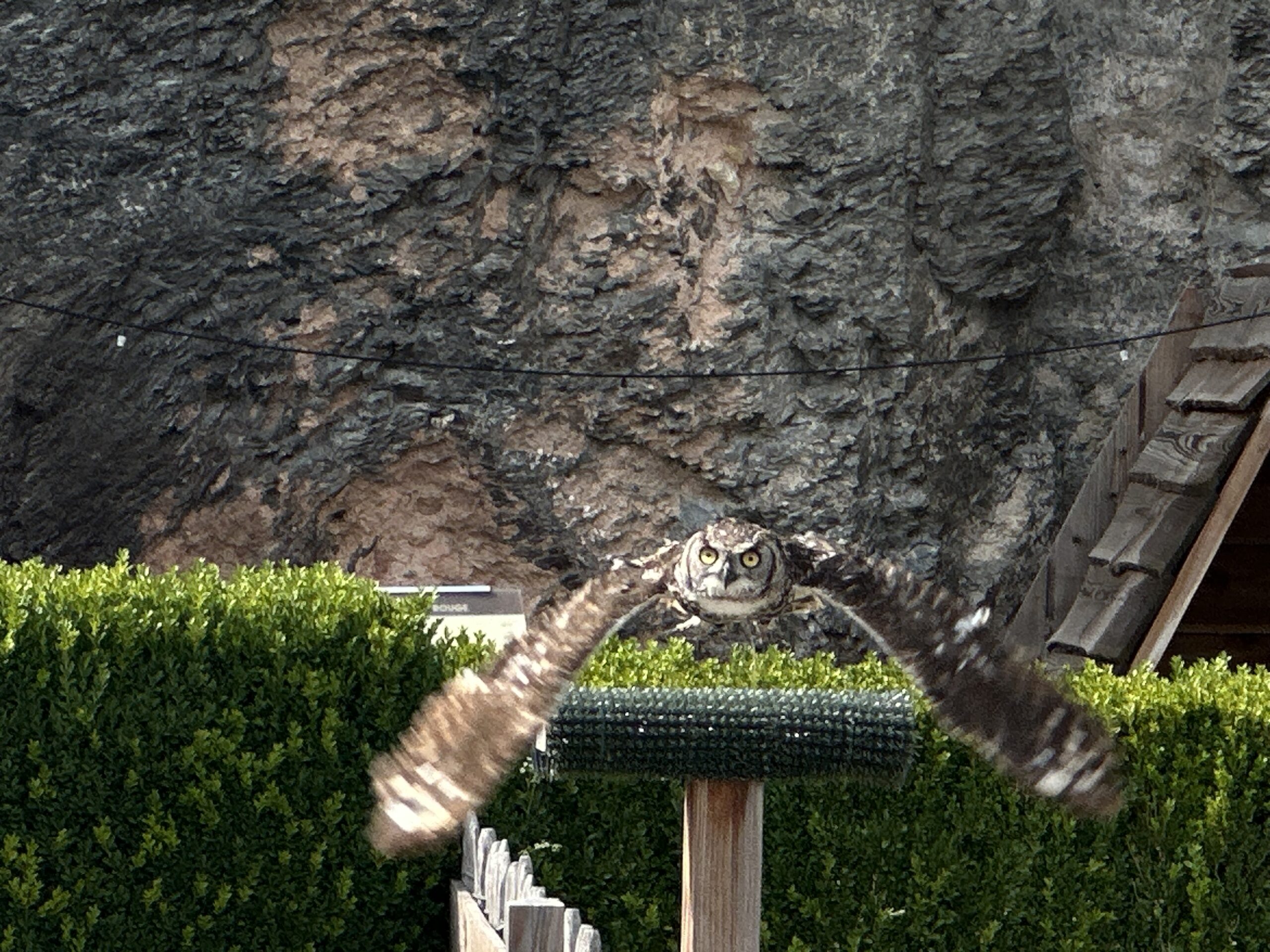
During the visitor season, the castle also hosts falconry demonstrations, showcasing birds of prey against the backdrop of the medieval walls. Evening torchlight tours give visitors a different view of the fortress, guiding them through its historic spaces after dark with views of the town lights below.
Into the woods and waterways of Bouillon
Beyond its medieval heritage, Bouillon is equally appealing for those looking to experience the Ardennes through food and outdoor activities.
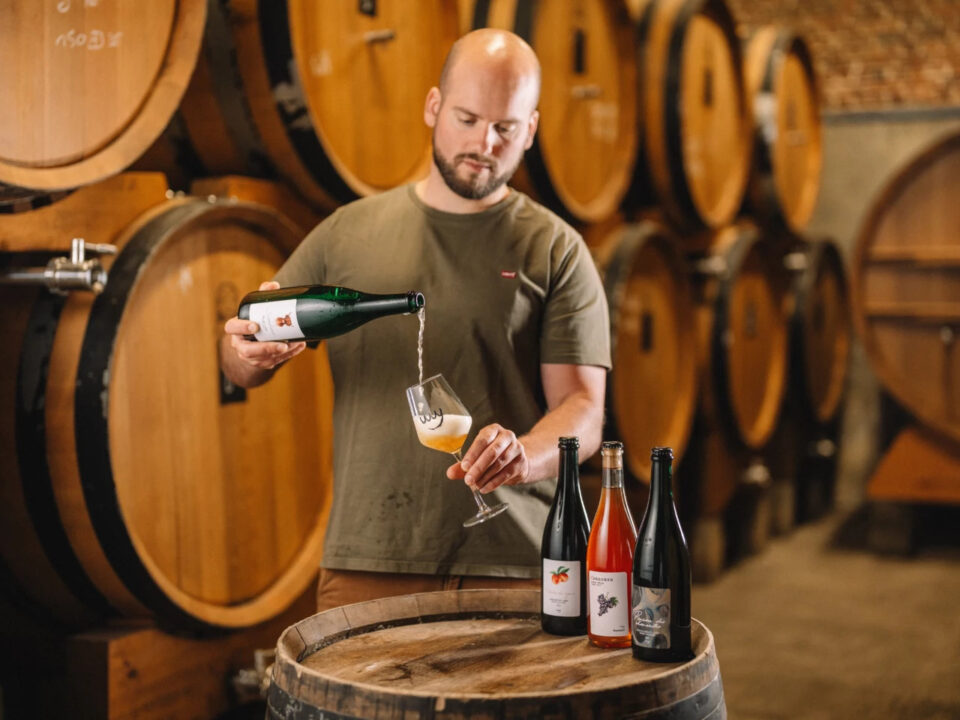
Regional specialities reflect both the surrounding countryside and Belgium’s rich culinary traditions. Visitors can sample Bouillonnaise beer, brewed locally, or try L’Oeillet du Château, a hard goat’s cheese traditionally matured in the castle’s cellars. Another local delicacy is Le Croisé, a biscuit reminiscent of speculoos but containing less sugar. Created in 1996 to mark the 900th anniversary of the First Crusade, the biscuit bears the image of Godfrey of Bouillon and is sold in a decorative metal tin featuring Bouillon Castle. Fish lovers can also enjoy fresh Semois trout, a regional favourite caught in the river flowing through the town.
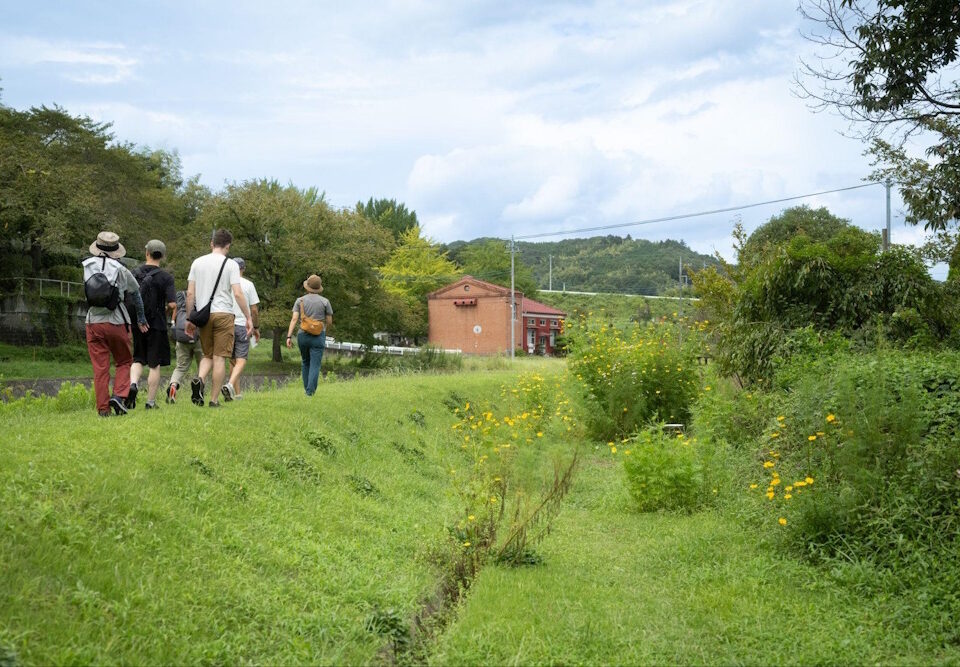
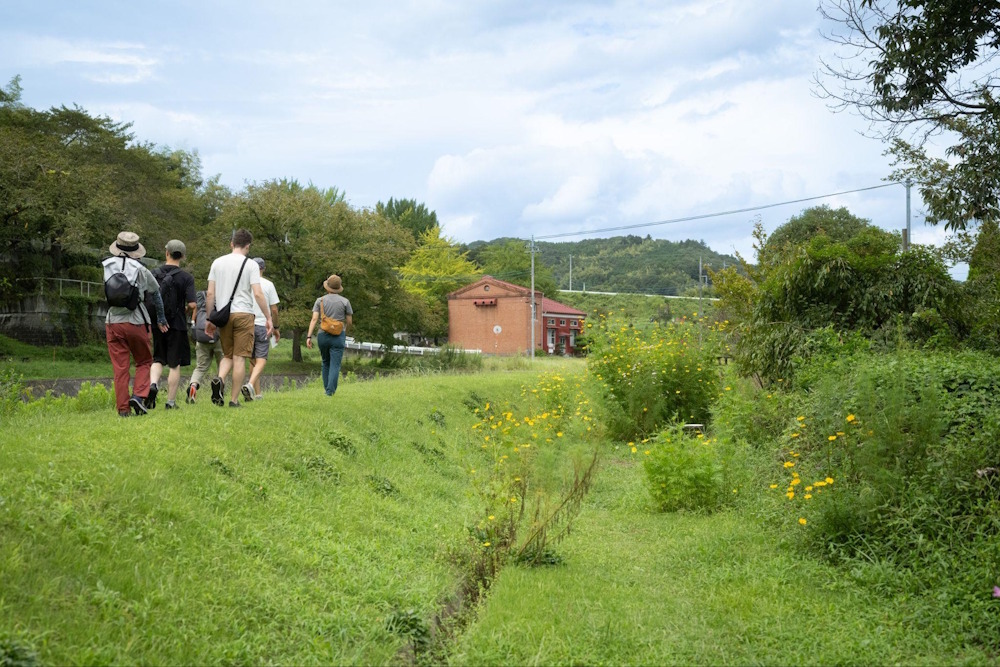
Bouillon is also one of Wallonia’s leading destinations for hiking. Several marked trails begin directly in town, making it easy for visitors to combine sightseeing with nature. The 3.5-kilometre Promenade de la Sente aux Geais follows wooded paths and sections of a former tram route while offering panoramic views over the Semois and the historic centre.
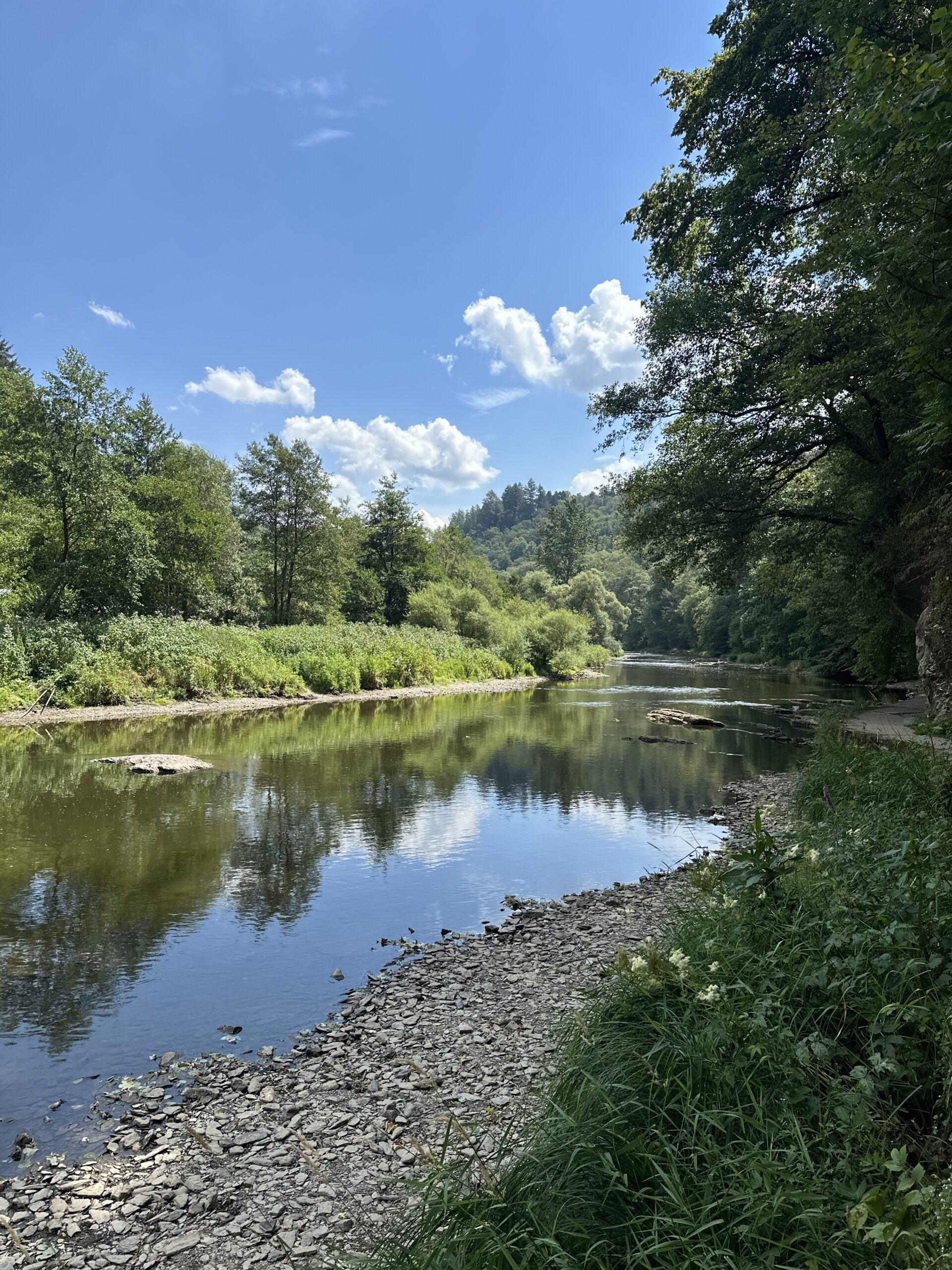
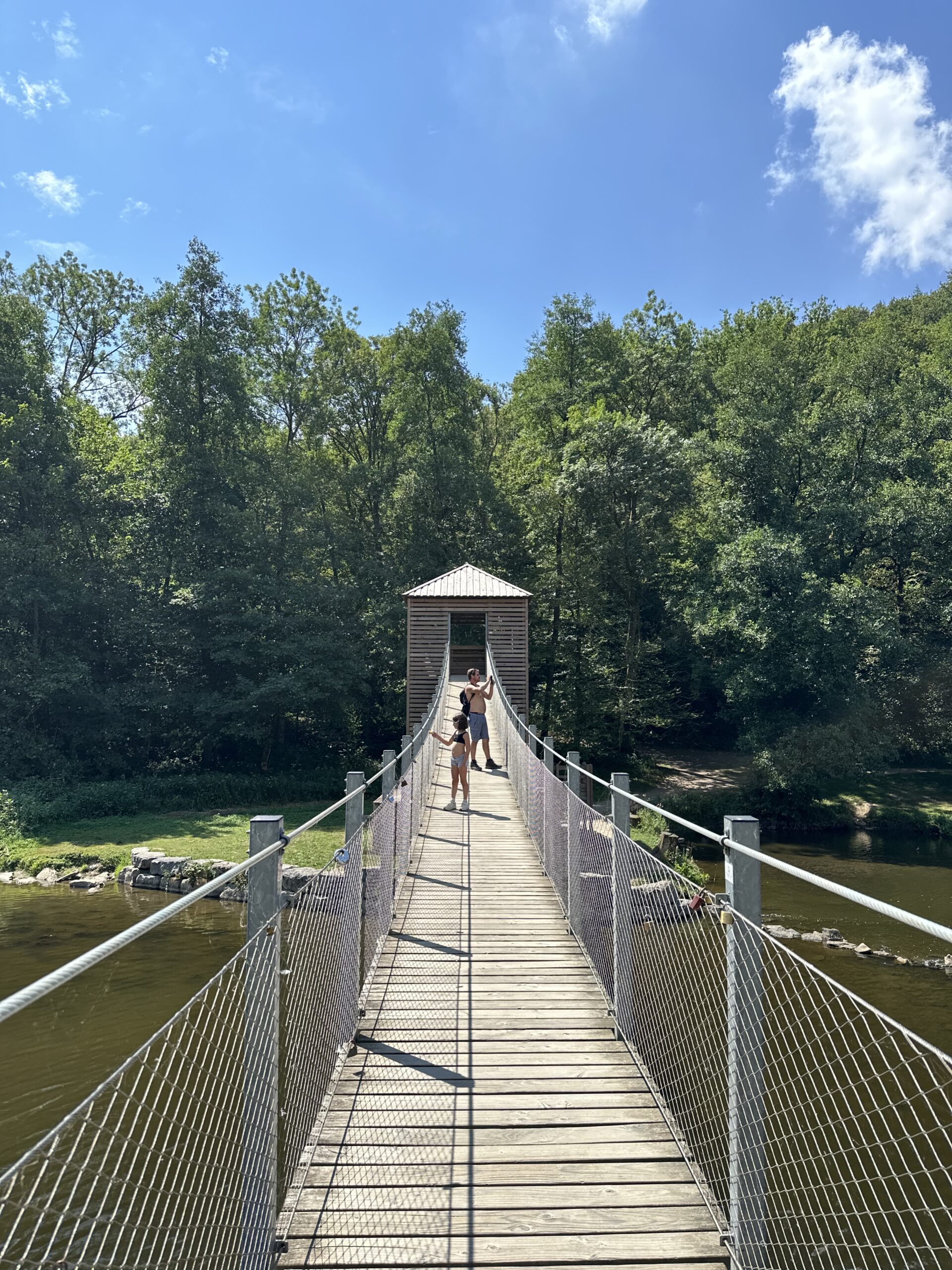
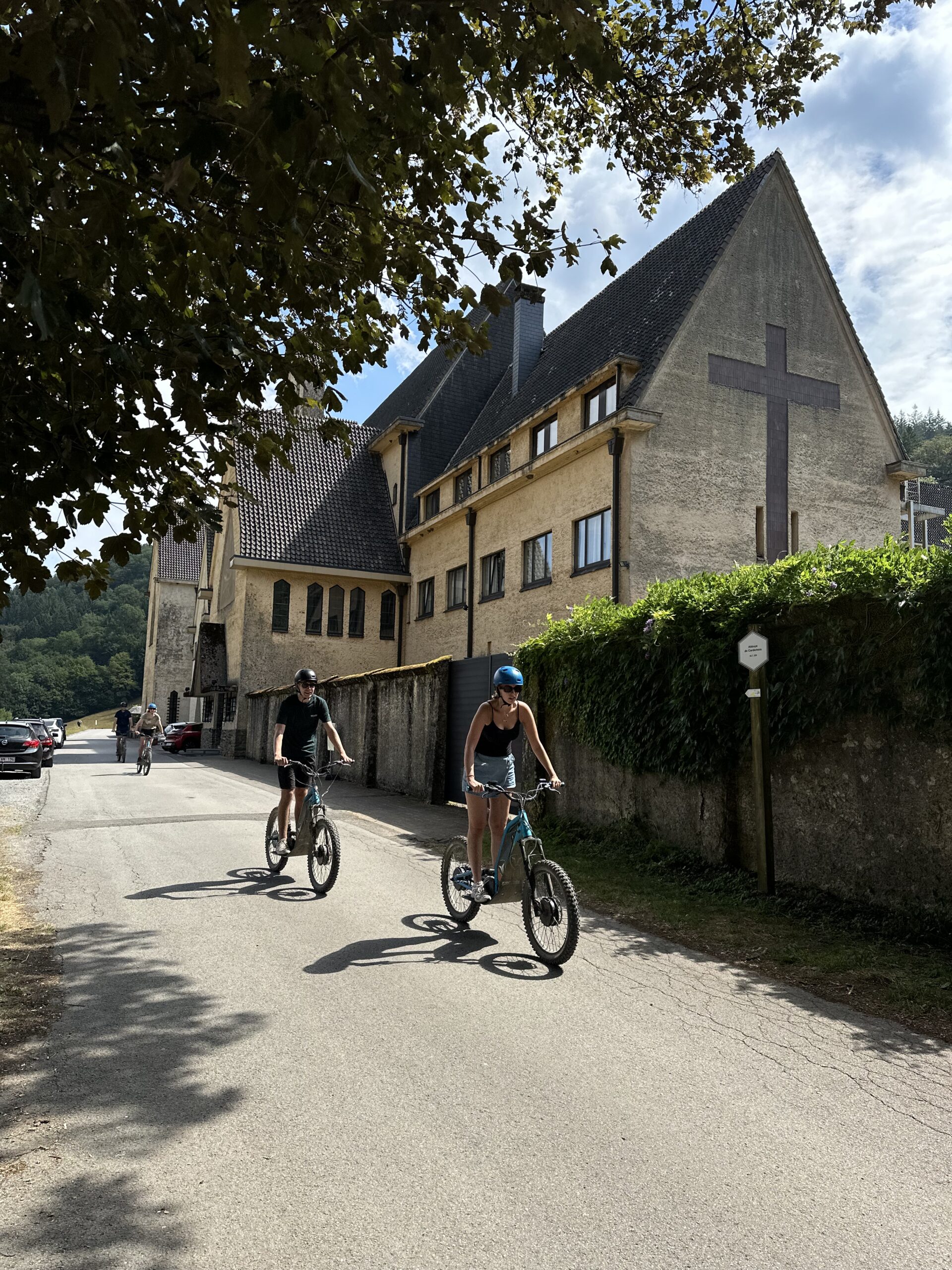
For those seeking a more demanding journey, one of the best ways to discover Bouillon’s natural surroundings is the Walk by the Château de Bouillon, a 7 km hiking route that follows the River Semois while revealing new perspectives of the town’s medieval fortress along the way. Starting from the Poulies Bridge on Boulevard Vauban, the moderately challenging trail is marked with red rectangle signs and offers the perfect balance between nature and heritage. Along the way, hikers pass through peaceful natural surroundings and discover landmarks such as L’Abbaye Notre-Dame de Clairefontaine. As the path winds through the area, hikers can enjoy panoramic viewpoints of the castle dominating the skyline before returning to the town. Route descriptions, interactive maps and GPX files are also available for visitors wishing to explore the trail independently.
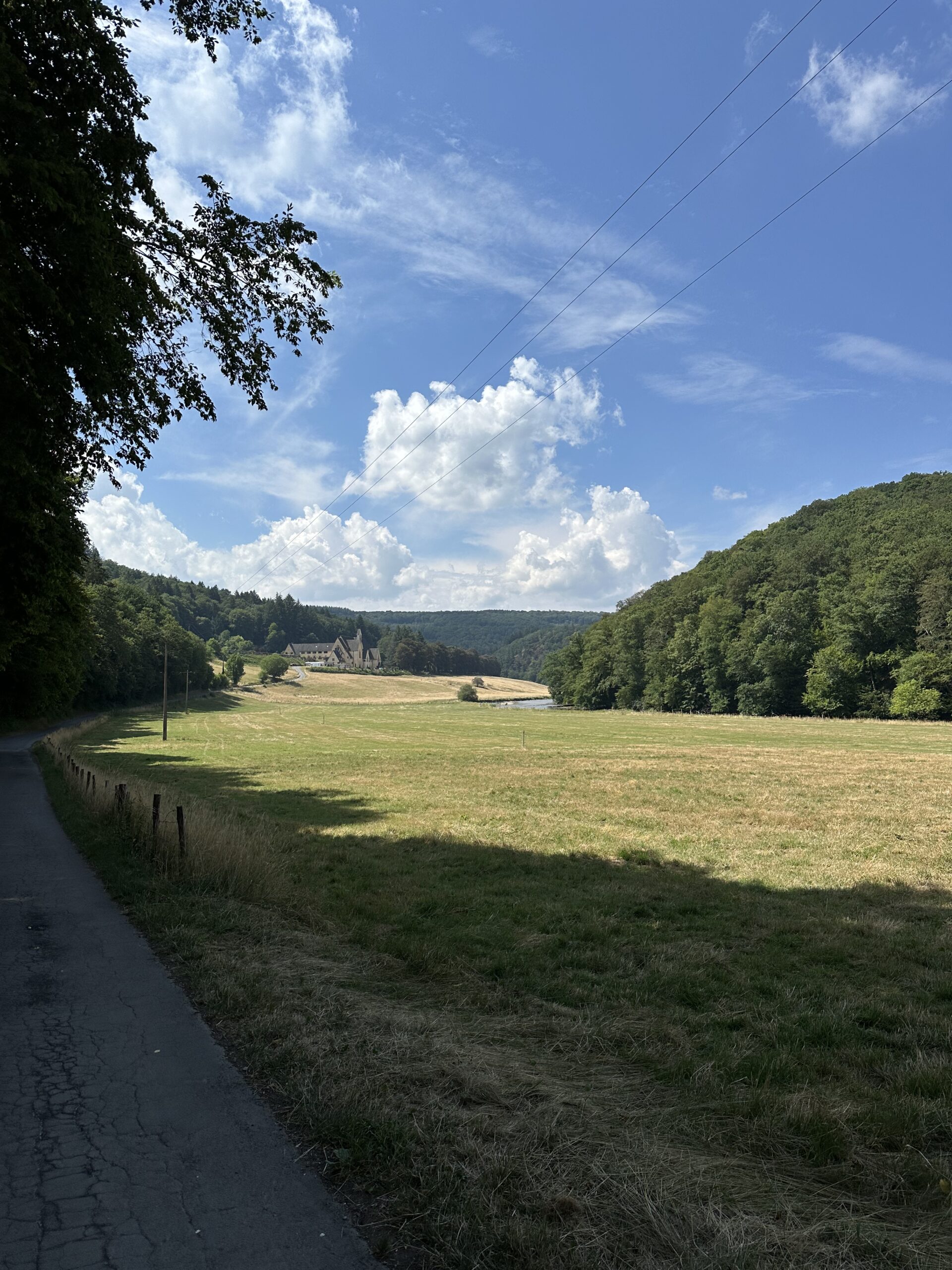
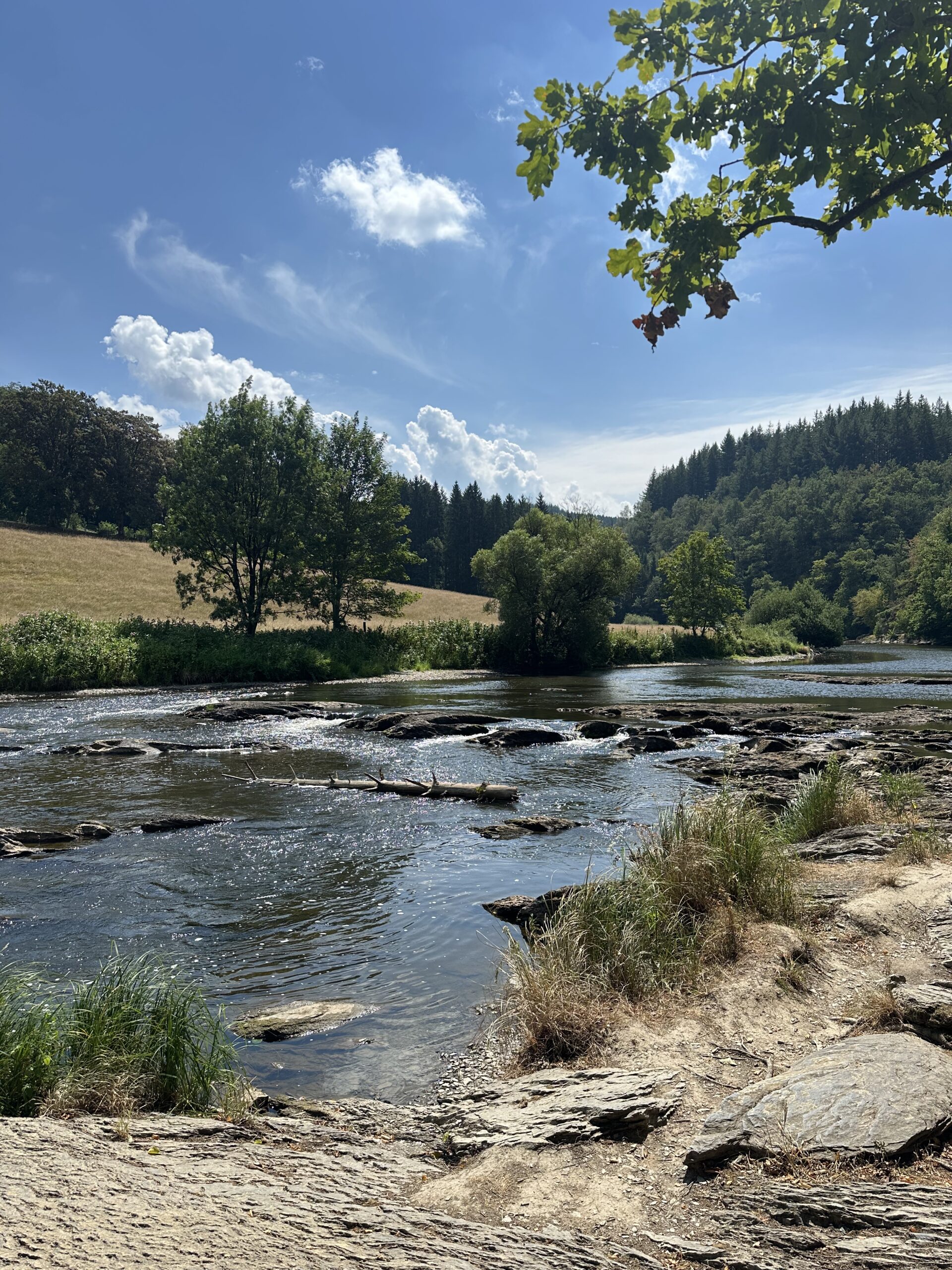
Cycling provides another way to explore the region. Bike rentals, including electric bikes, are widely available, allowing visitors to tackle the rolling Ardennes landscape with greater ease. One of the most popular excursions leads to the famous Tombeau du Géant (Giant’s Tomb), a spectacular viewpoint around 10 kilometres from Bouillon where the River Semois forms a dramatic loop around a wooded hill. More experienced cyclists can continue on longer circular routes passing Rochehaut, Frahan and even the nearby French border before returning to Bouillon.
The River Semois itself also becomes part of the experience. During the warmer months, kayaking and pedal boating allow visitors to admire Bouillon from the water while drifting beneath the castle walls. Together with its hiking trails, cycling routes and local gastronomy, these activities make Bouillon far more than a historic stopover, offering travellers the chance to experience one of Belgium’s most scenic corners at a slower pace.
Where to stay in Bouillon
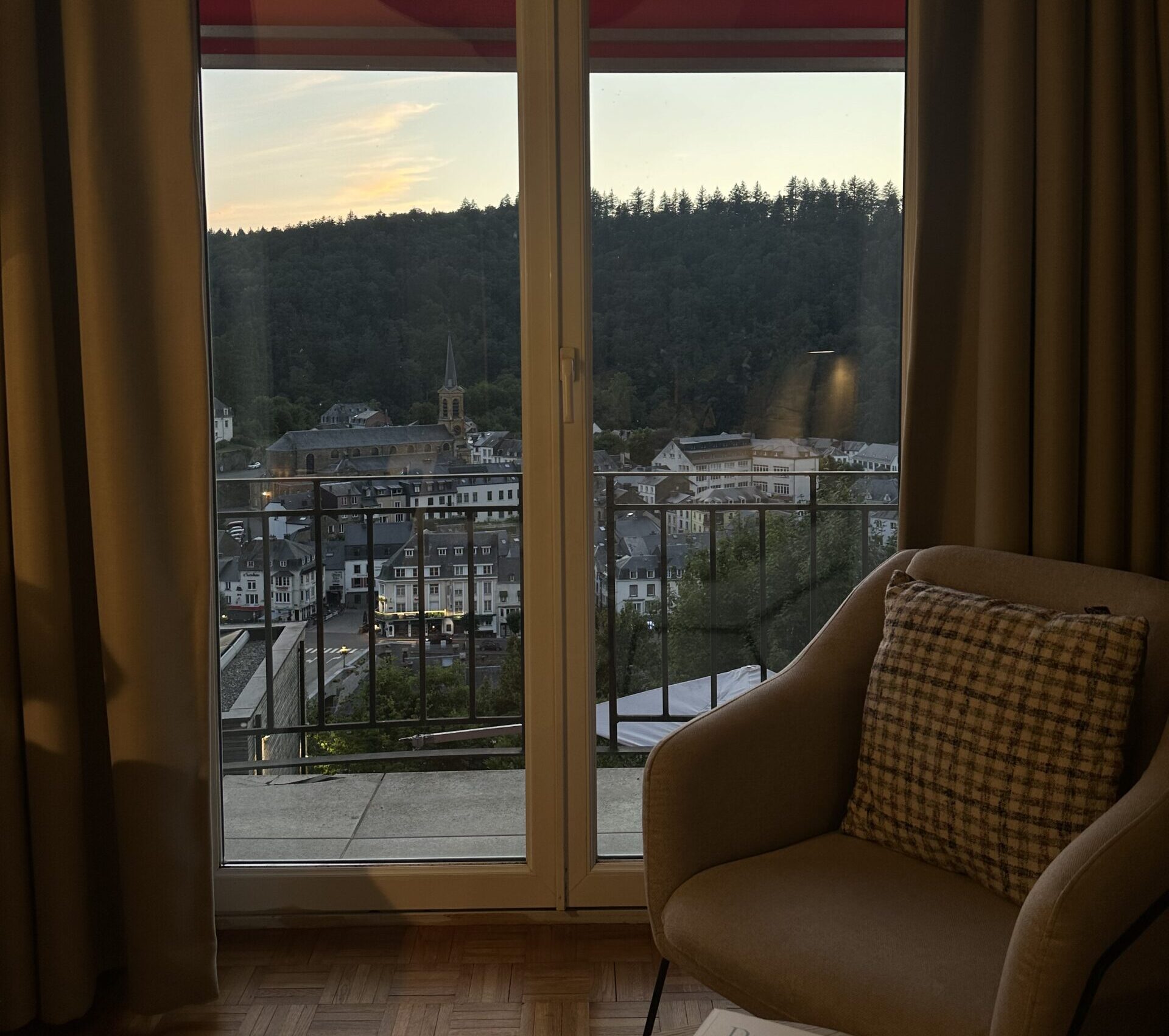
Bouillon offers a wide range of accommodation options, allowing visitors to choose between comfort, nature and outdoor experiences while exploring the Ardennes. Perched above Bouillon’s historic centre, Hotel Panorama offers sweeping views of the Semois Valley and the medieval fortress, making it one of the town’s finest vantage points to admire its main landmarks.
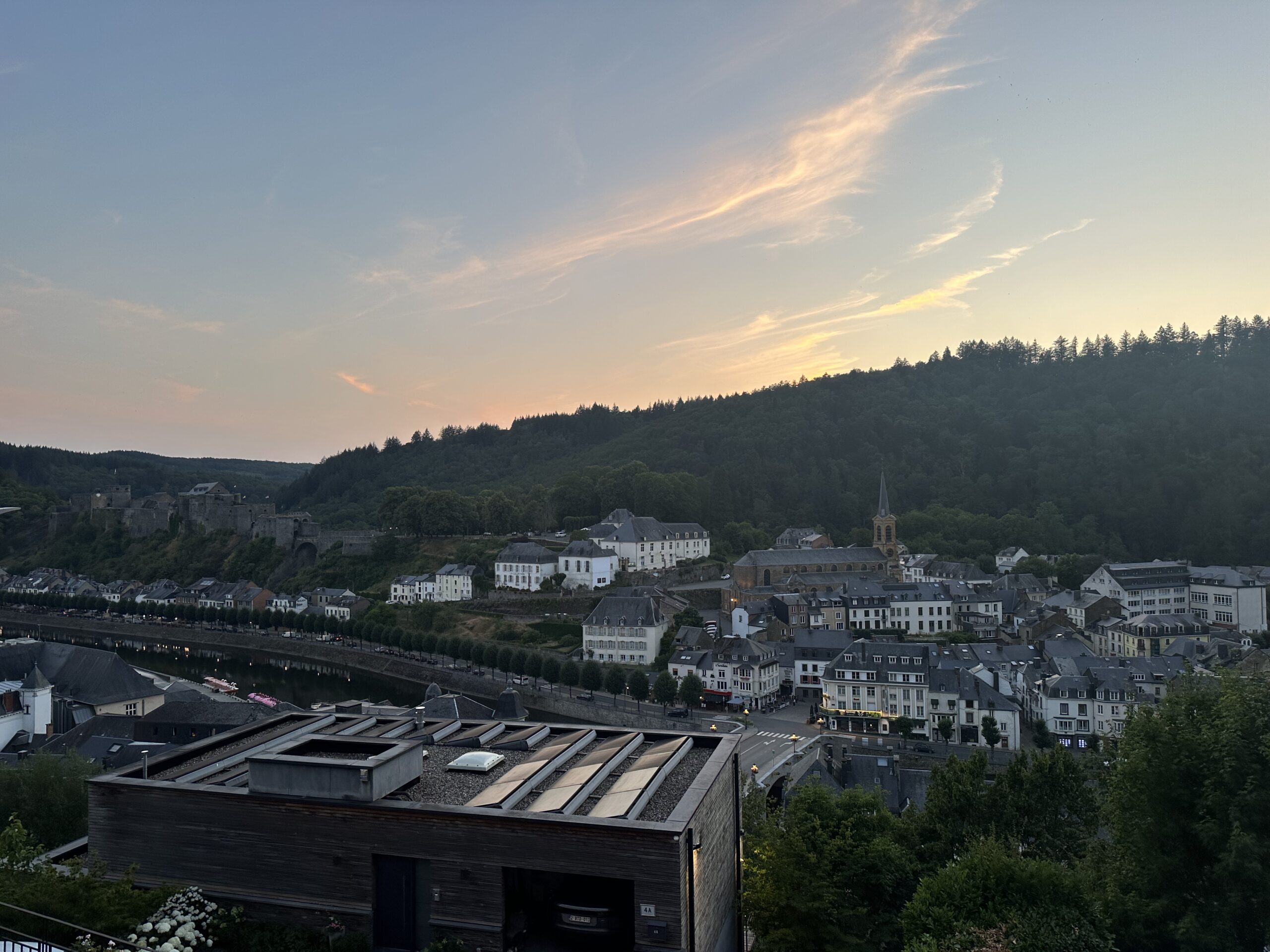
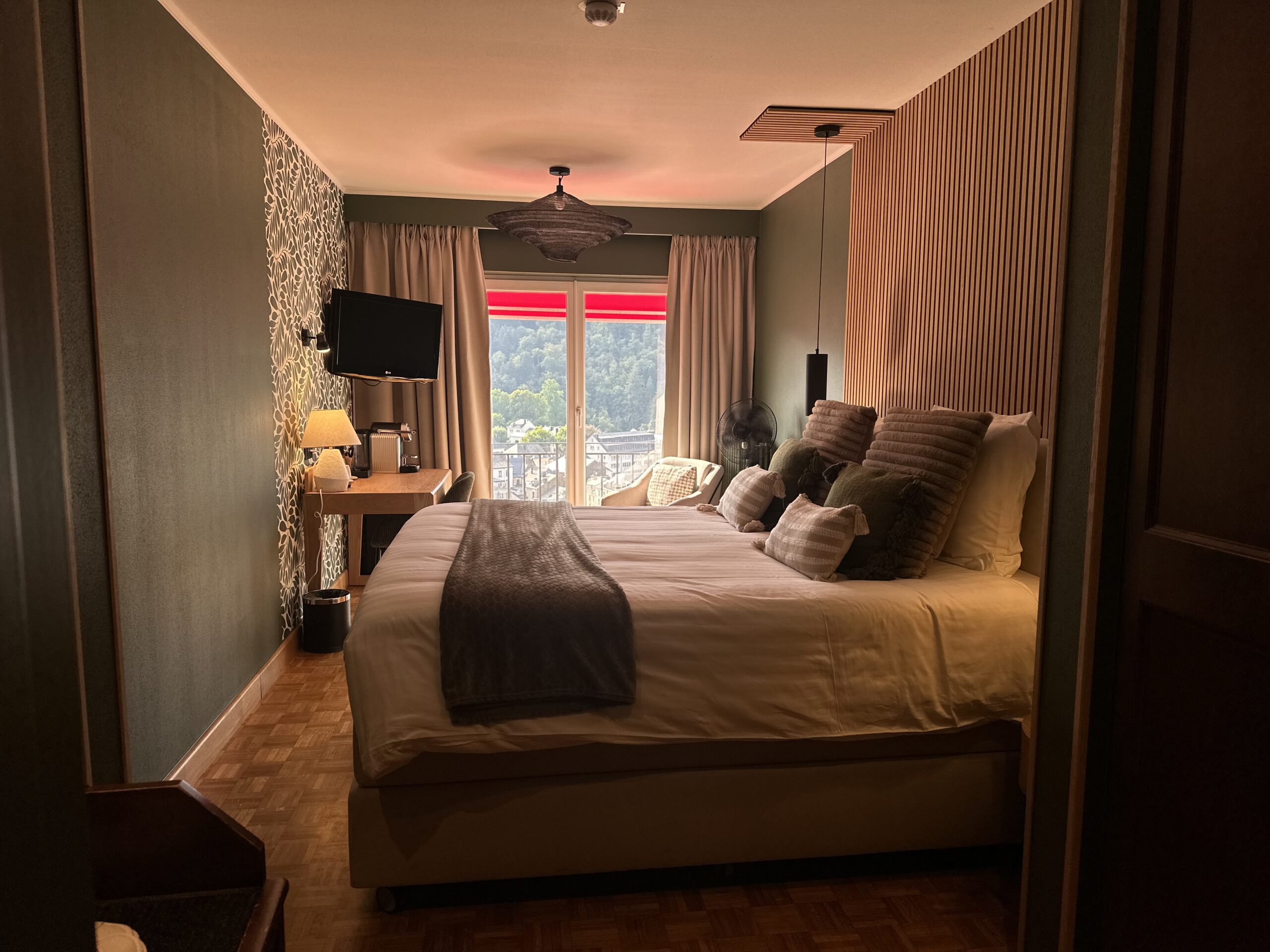
The hotel features comfortable rooms, many with panoramic views of the entire city, offering guests a peaceful retreat after a day of sightseeing or outdoor activities. Its elevated location combines tranquil surroundings with easy access to the town’s main attractions.
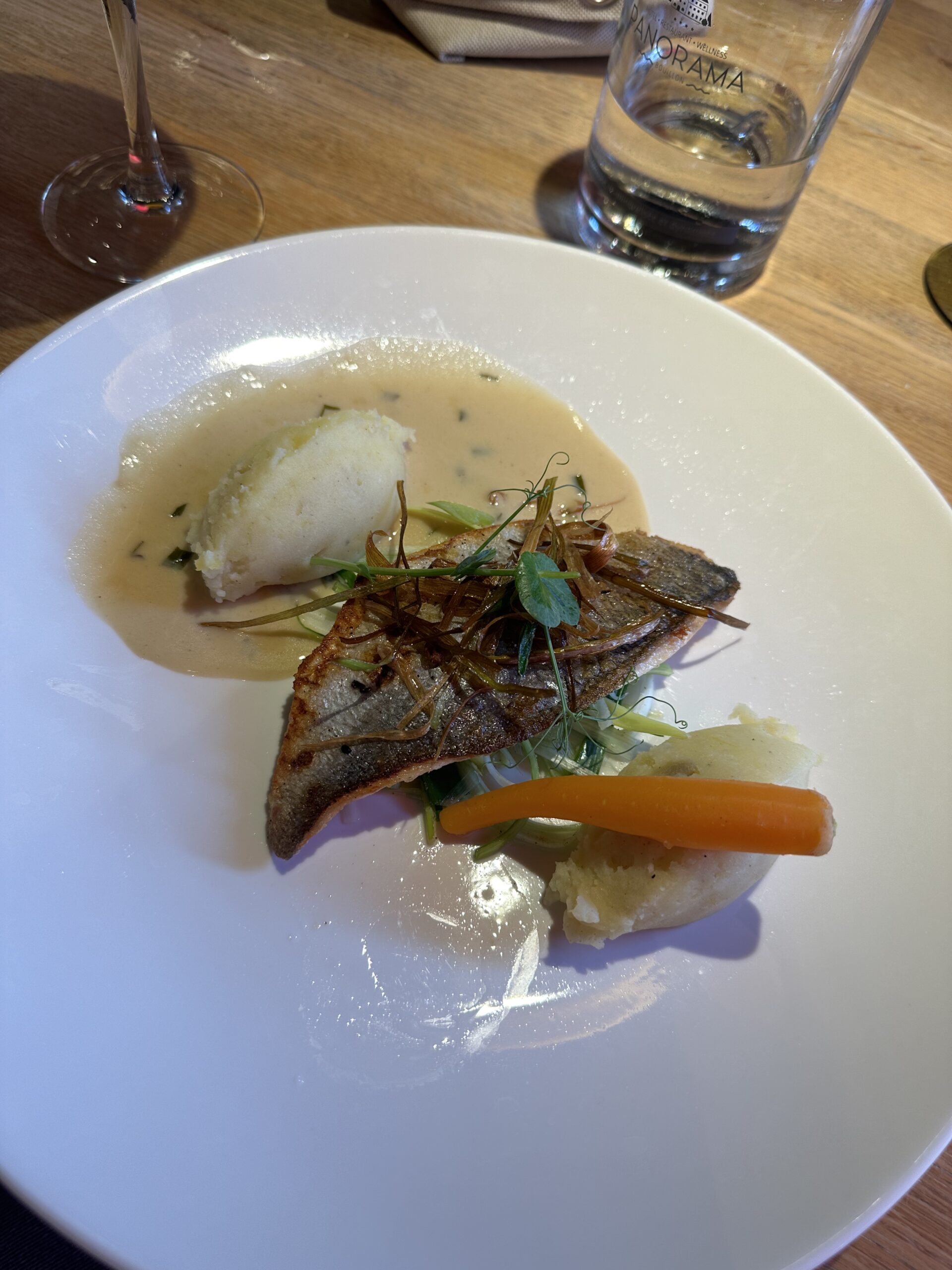
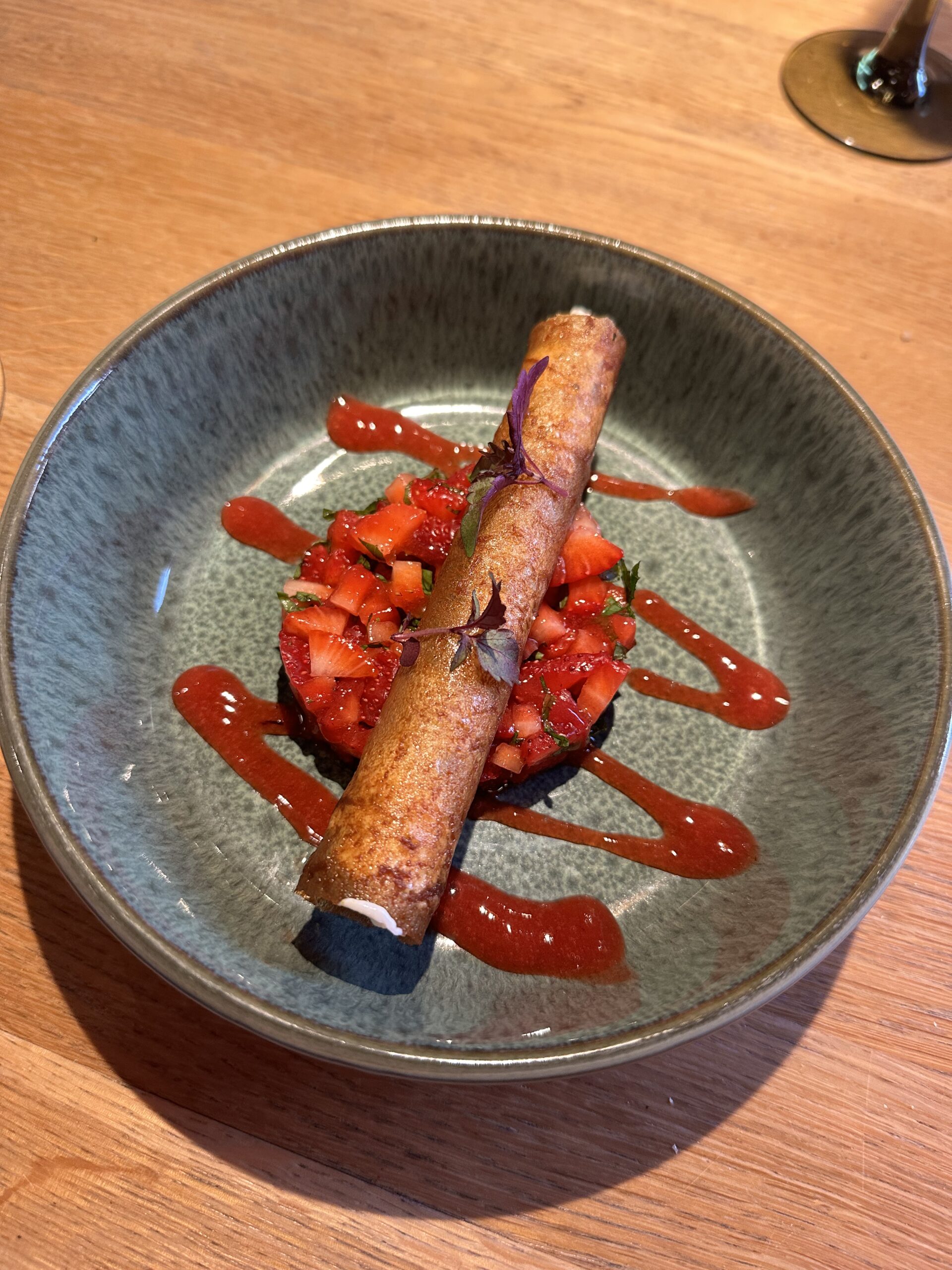
As the sun sets over Bouillon, dinner at Hotel Panorama offers the perfect way to round off a day spent discovering the town’s heritage and landscapes. Served on the terrace overlooking the River Semois and the softly illuminated streets below, the restaurant blends regional hospitality with mesmerising views. The menu features a wide range of fine options, from seafood specialities such as shrimp starters and dorado mains to other carefully prepared dishes and delicate desserts, allowing guests to enjoy a relaxed dining experience surrounded by the Ardennes scenery.
In the morning, guests can start the day with a breakfast buffet featuring fresh breads, pastries, fruit, cheeses, cold cuts and hot drinks. The generous selection provides a pleasant start before setting out to discover Bouillon’s historic charm, scenic trails and natural beauty.
For travellers looking to stay closer to nature, campsites around Bouillon provide options for traditional camping, caravans and motorhomes. These outdoor stays allow visitors to enjoy the surrounding forests and rivers while remaining within easy reach of the town and its heritage sites.
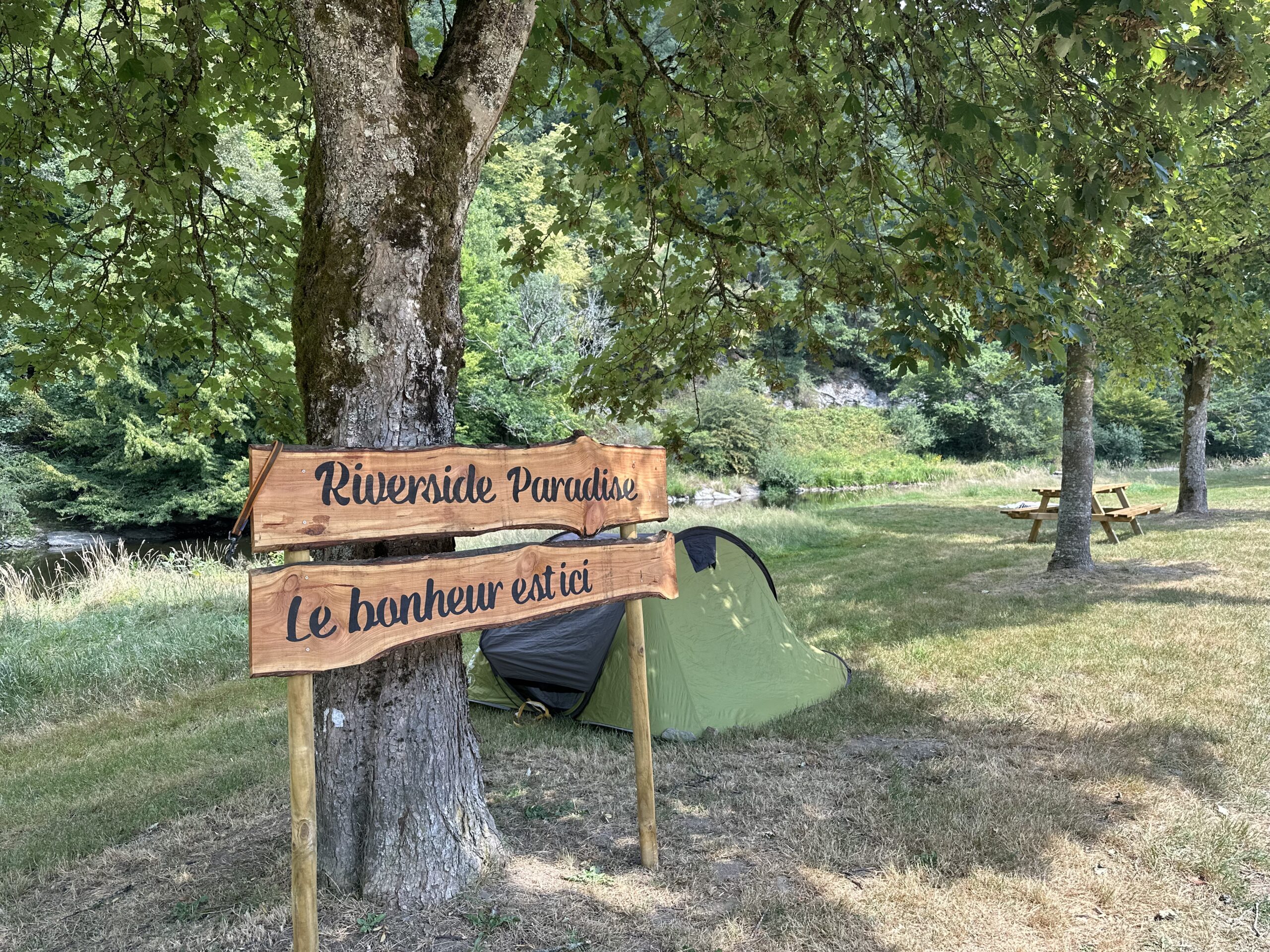
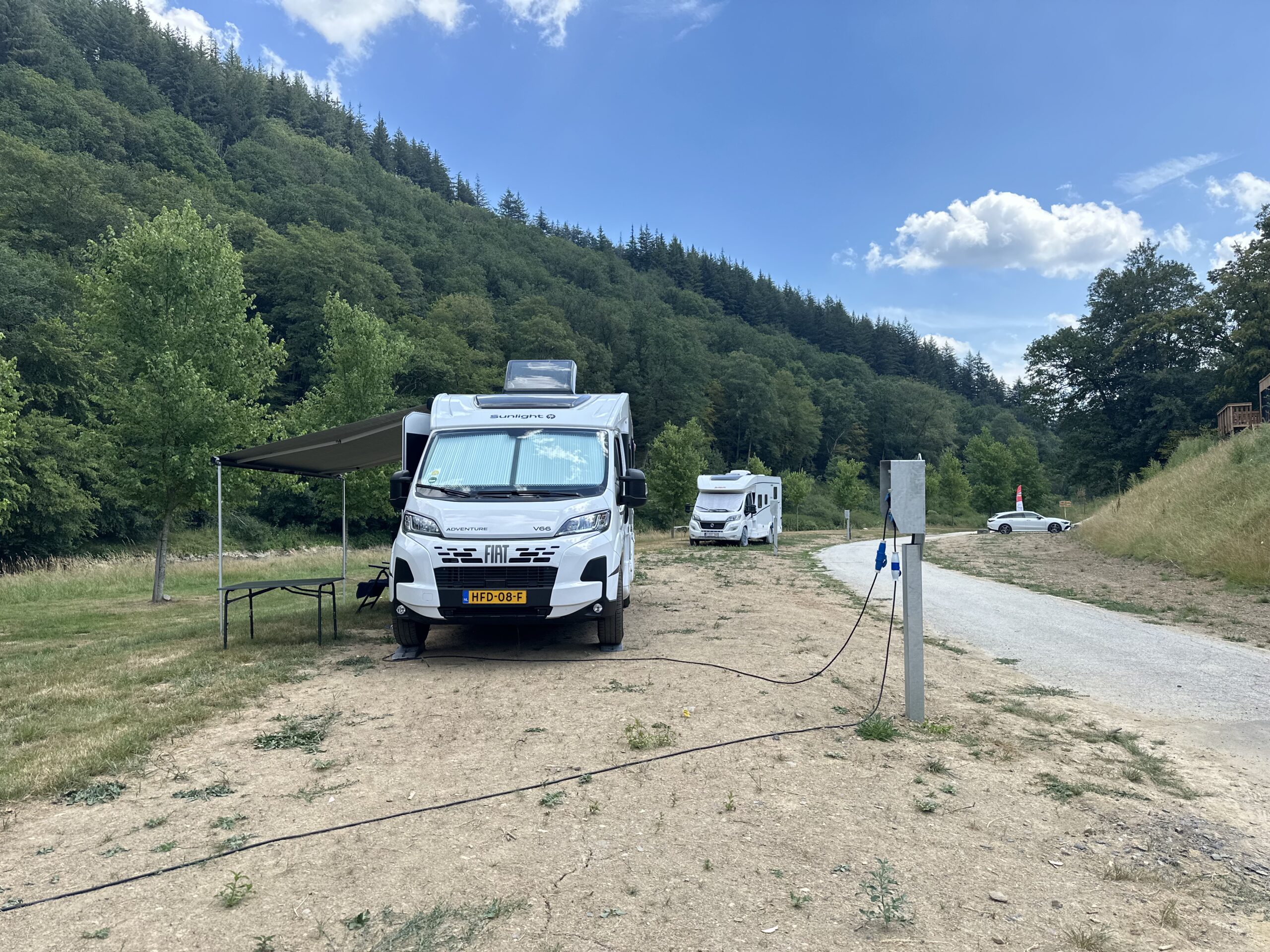
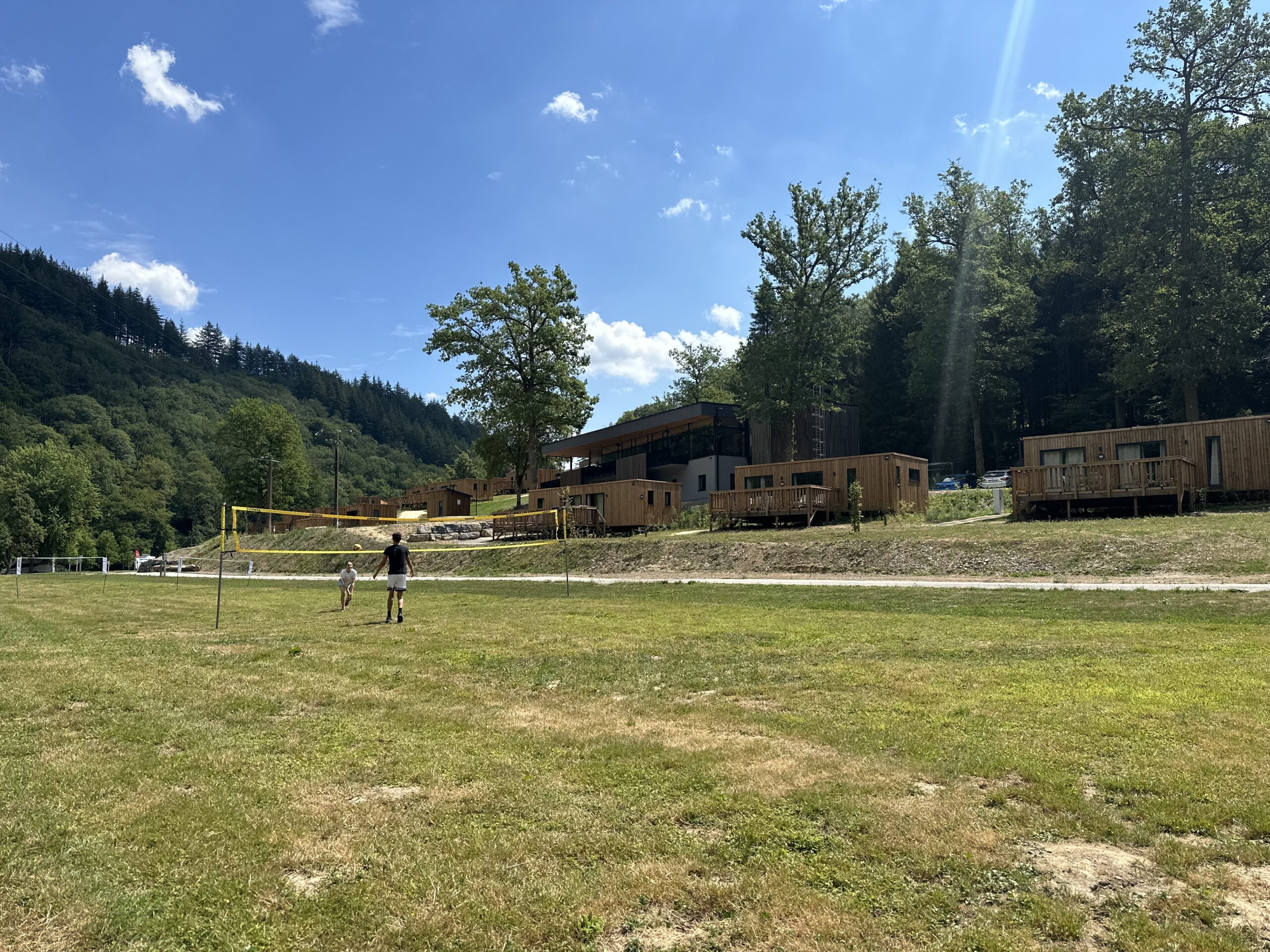
Those seeking a more unusual experience can opt for glamping at Le Hameau de la Semois, where visitors can combine the atmosphere of outdoor living with additional comfort. Set in the Ardennes surroundings, the site offers an alternative way to experience the region while enjoying access to its hiking trails, landscapes and outdoor activities.
Beyond its castle and outdoor activities, Bouillon continues to celebrate its heritage through events that attract visitors throughout the year. The town’s Fête Médiévale de Bouillon, taking place on 8 and 9 August 2026, is one of its biggest annual highlights, welcoming around 50,000 visitors. During the event, Bouillon is transformed into a medieval setting, with residents and visitors dressing in period costumes and bringing the town’s history back to life through a range of activities.
The celebrations continue on 15 August with the annual Marche des Croisés (Crusaders’ Walk), organised by the walking club Les Sabots de Godefroy. Starting from Rochehaut, participants can choose from three mainly forested routes of 6 km, 12 km or 20 km.
In November, Bouillon hosts its Hunting Festival, another major event showcasing the traditions of the Ardennes region. The festival highlights the area’s long connection with hunting culture and brings together locals and visitors for a celebration centred around regional heritage. Together, these events add to Bouillon’s appeal as a destination where history, culture and local traditions remain an important part of the visitor experience.