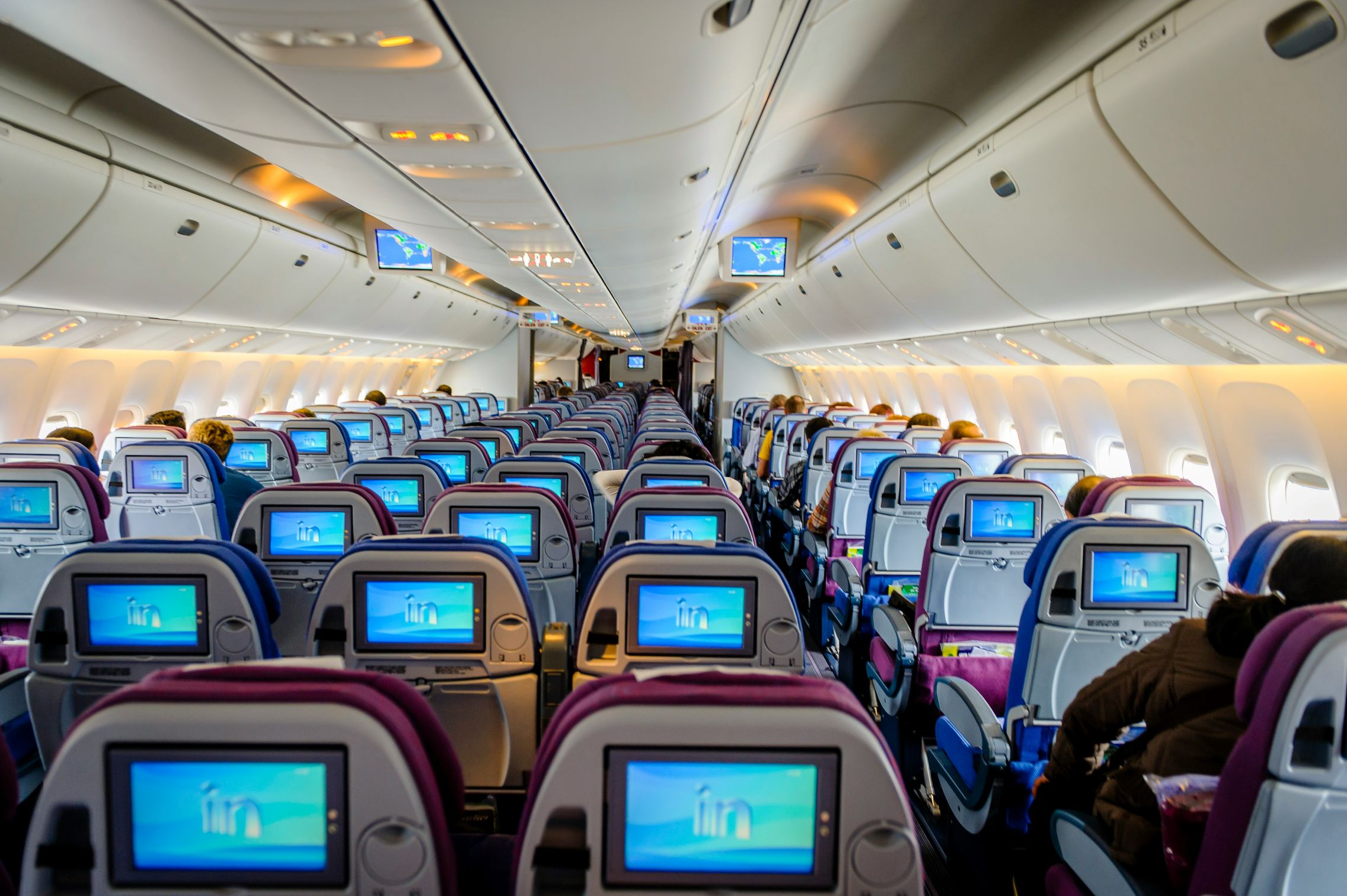



Many travellers notice that the cabin lights are dimmed shortly before takeoff and again before landing. While some may think this is done to create a calmer atmosphere or help passengers relax, the real reason is much more practical. Airlines follow this procedure because takeoff and landing are the two most critical phases of a flight, when the likelihood of an accident is the highest. Although flying remains one of the safest ways to travel, these moments require extra precautions to ensure passengers and crew can react quickly if something goes wrong.
The main reason for dimming the lights is to help passengers’ eyes adjust to darker conditions. Human eyes need time to adapt when moving from a bright environment to a dark one, and this process can take several minutes. If an emergency evacuation is needed, passengers whose eyes have already adapted are more likely to see emergency exit signs, floor lighting and escape routes immediately. This can make a significant difference because aviation authorities require commercial aircraft to be capable of being evacuated within 90 seconds, even if half of the emergency exits cannot be used.
The procedure is also based on decades of aviation safety research and lessons learned from past aircraft accidents. Investigators found that smoke, darkness and confusion often made it harder for passengers to locate the nearest exit during emergency evacuations. These findings led regulators to introduce several safety measures, including illuminated floor path lighting, clearer emergency exit signs and the practice of dimming the cabin lights before takeoff and landing. Together, these measures are designed to help passengers leave an aircraft as quickly and safely as possible if an emergency occurs.
The darker cabin also helps the cabin crew carry out their duties more effectively. With fewer reflections on the aircraft windows, flight attendants can see outside the aircraft more clearly. This allows them to quickly spot problems such as smoke, fire, engine damage or other issues that may require an immediate response. Better visibility also helps passengers maintain a sense of orientation if the cabin suddenly loses power, making an evacuation more organised.
The same focus on safety explains why passengers are often asked to open their window shades before takeoff and landing, especially during daytime flights. Open shades allow natural light to enter the cabin if the aircraft loses electrical power. They also give the cabin crew and passengers a better view of what is happening outside the aircraft, making it easier to identify problems such as fire, debris or damage after a bird strike. During night flights, this procedure is less common because visibility outside is already limited, although some airlines still prefer passengers to keep the shades open.
There are several misconceptions about why airlines dim the cabin lights. Some passengers believe it is done to create a more relaxing atmosphere before takeoff or landing, while others think it helps airlines save electricity. Neither explanation is correct. Reducing glare in the cockpit is a small additional benefit because it helps pilots see runway lights and other visual references more clearly, but passenger safety has always been the main reason behind the procedure.
Cabin lighting also has other functions during different stages of a flight. On overnight long-haul journeys, airlines often dim the lights for several hours to encourage passengers to sleep. Many modern aircraft, including the Boeing 787 Dreamliner and Airbus A350, are equipped with advanced mood lighting systems that gradually change colour throughout the journey. Warm tones can imitate a sunset while cooler colours mimic daylight before arrival, helping passengers feel more refreshed and reducing the effects of jet lag after crossing several time zones.