



As the Men’s FIFA World Cup 2026 gets underway, the World Health Organization has issued an unusual statement to reassure fans travelling to the event that there are no Ebola cases in Europe and the risk is low.
In a public statement, Dr Hans Henri P. Kluge, WHO Regional Director for Europe, said to would-be attendees at World Cup matches: “Let me reassure you: none of the host countries, nor the European Region, currently has Ebola cases. There is no reason to change your plans. Travel as normal, stay informed and enjoy the tournament.”
While Kluge recognised that a patient had recently been isolated and treated for Ebola in Germany, after evacuation from Uganda, he noted the patient had recovered and that contacts monitored for 21 days had shown no signs of infection or local transmission within the European region.
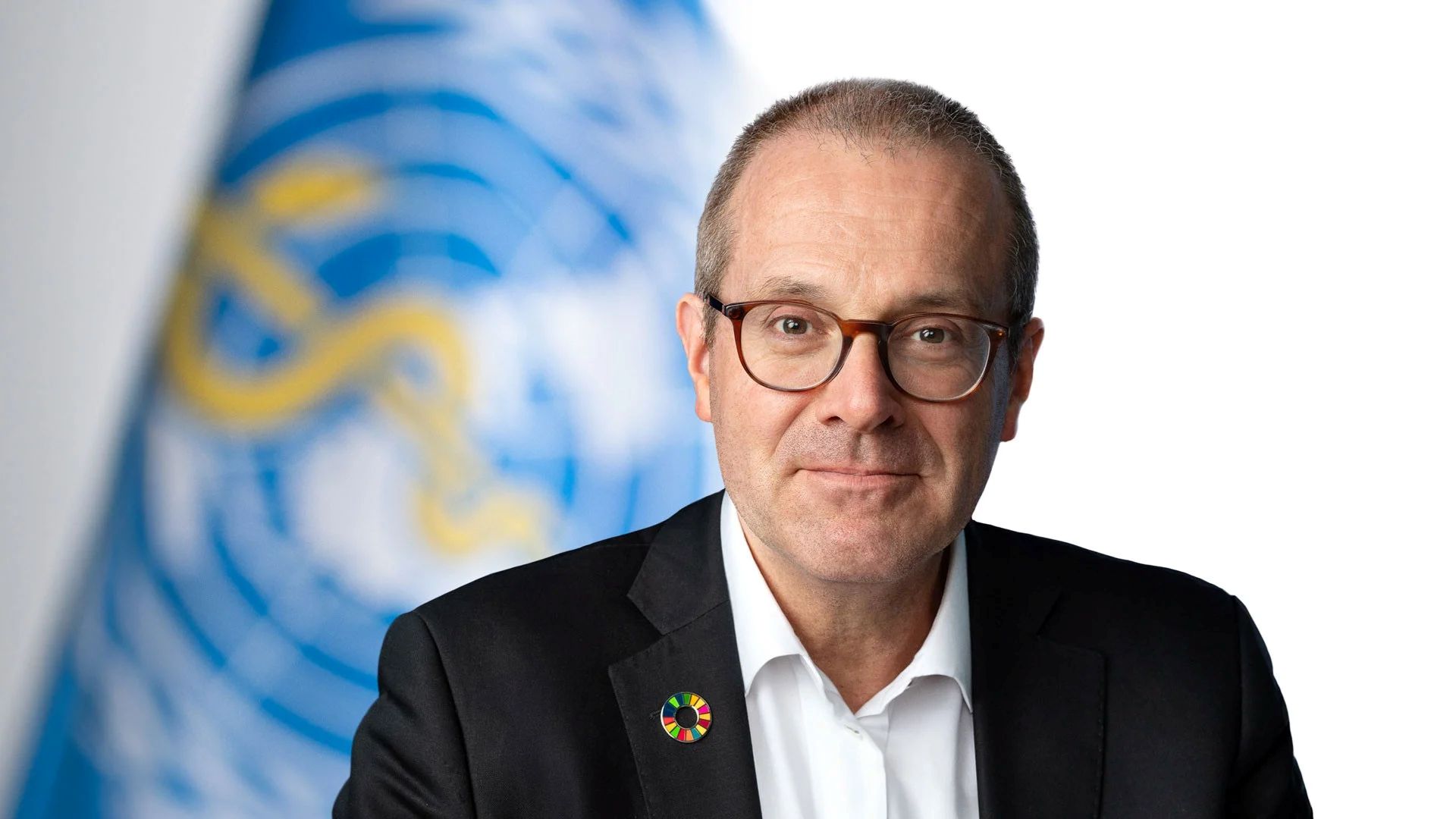
Kluge also acknowledged that while there is no licensed vaccine or specific treatment for the form of Ebola in the recent outbreak but described early supportive care as “effective” and said, “European Region health systems are well prepared.”
This echoes optimistic remarks by United States health authorities, where €260 million (around €224 million) in World Cup preparedness funding has helped to provide nationwide training exercises and guidance for physicians, alongside partnerships between FIFA and local officials in host cities to conduct threat assessments and weigh the need for disease-specific detection and treatment plans. Discussions have included supplies of protective gear and surveillance tools such as wastewater monitoring, air quality data, and medical records.
Ebola is not the only disease authorities are looking at, with the most likely threats during the 39-day event across the US, Mexico, and Canada considered to be COVID-19, influenza, and measles. A simulation for a potential MERS outbreak has also been carried out.
In addition to those precautions, the US, Mexico, and Canada are conducting airport screening and have applied travel bans restricting the entry of non-citizens with recent travel to countries affected by the Ebola outbreak. To comply with these, the Democratic Republic of Congo team left the home nation in May to train in Belgium before journeying to the US.
The US has urged Europe to impose similar travel restrictions, but Kluge’s statement made clear the WHO does not recommend travel restrictions and urged people to “challenge stigma,” noting that “people from affected regions and African communities have faced unfair suspicion. The spread of Ebola is not determined by nationality or ethnicity. Stigma discourages people from seeking care and can make outbreaks harder to control.”
The organization maintains that “the best protection for the European Region is stopping the outbreak where it began. WHO and partners are actively supporting response efforts in the Democratic Republic of the Congo and Uganda, protecting communities there and here alike.” Noting that “large events bring people together,” it summed the statement up by urging people to “stay informed, rely on trusted sources, and treat others with understanding. With common sense and compassion, we can keep both people and the game safe.”