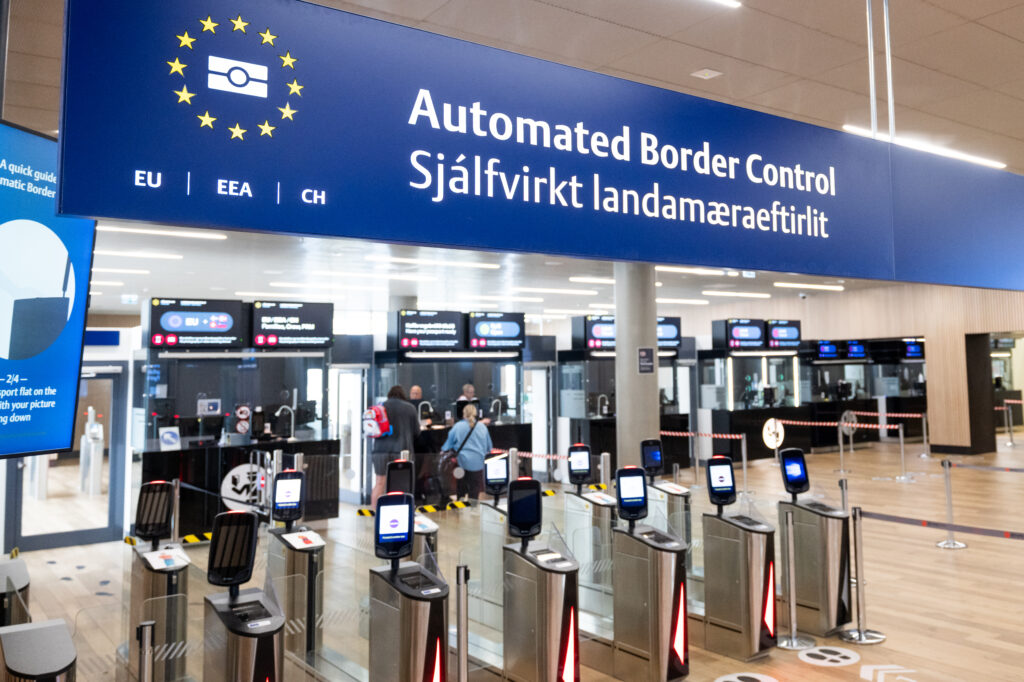
In a surreal development that might seem like going back to the future, Uber is introducing a way for ride-hailers to book an Uber without using their phone, and, a bit like old-fashioned taxi stands of the past, it involves a physical booth called an “Uber Kiosk.”
The kiosks will be installed, the tech disruptor says, at “hotels, ports and international airports in the coming months,” starting with one at Terminal C in New York’s LaGuardia. Intended to avoid the need for travellers to consume expensive data plans (or even get out their phones) on arrival at foreign destinations, the kiosks are claimed to be “perfect for international visitors arriving without a data plan.”
Rideshare app Uber plans to install physical kiosks at arrival terminals in select airports that allow riders to request a car, even if they don't have the app.
— ABC News (@ABC) December 10, 2025
The first kiosk will debut at LaGuardia Airport in New York. pic.twitter.com/fvyVkYNe04
The launch date for the first booth has not yet been confirmed, but when it has been built, in a marvel of the modern world, would-be ride hailers will be able to enter a physical kiosk and order a cab via a touchscreen, pay for it using a credit card reader (eliminating phone payment apps), and even – gasp! – receive a paper receipt to take with them to the taxi rank area. “Simply walk up to the kiosk, enter your destination, then start your ride type. The kiosk prints a paper receipt with your trip details, making the experience as straightforward as possible,” Uber said in a statement.
While many outlets are reporting the blinding innovation with tongue-in-cheek incredulity, the reality is perhaps darker or more interesting, depending on viewpoint. Garrett Camp and Travis Kalanick conceived of Uber during a trip to Paris, during a trip when they found it impossible to hail a cab in the notoriously protectionist Parisian taxi market. As a former resident of Paris in the early 2000s, this writer can confirm how very tough it was to flag down a ride in the streets of the City of Lights, or even order a cab in advance, and can report firsthand numerous instances of waiting hours for an urgent ride.
Camp and Kalanick wanted to change that, disrupting the taxi industry via app-based convenience and cashless payments from a pocket device, as well as harnessing an army of new, available drivers and giving them a way to access customers directly – something licensed cab firms and drivers across the world have fiercely contested since Uber’s launch in 2010. Since then, Uber’s well-documented and seemingly inexorable rise has seen it move into various delivery services, as well as the fixed route Shuttle buses it announced it would expand at the same time as unveiling the Kiosk.
JFK. LGA. EWR. Repeat.
— Uber (@Uber) December 9, 2025
Uber Shuttle now pulls up to all 3 NYC airports ✈️ pic.twitter.com/zrXkWRONd6
Uber’s unique selling point was once the direct connection between customer and cab and an operation without physical premises, tickets, counters, offices, stands, or even fixed routes. By moving on from that with Uber Kiosk and fixed route Uber Shuttle buses, the San Francisco “start-up” is showing just how far it has captured and dominated the ride sector.