In a dramatic escalation of tensions surrounding the ongoing US federal government shutdown, Donald Trump on Monday issued a sweeping ultimatum to the country’s air traffic controllers, threatening punitive action against those absent from duty and promising bonuses to those he described as “true patriots”.
“All Air Traffic Controllers must get back to work, NOW!!! Anyone who doesn’t will be substantially ‘docked’,” Trump declared on his social media platform. He continued, “For those Air Traffic Controllers who were GREAT PATRIOTS, and didn’t take ANY TIME OFF for the ‘Democrat Shutdown Hoax’, I will be recommending a BONUS of $10,000 per person for distinguished service to our Country.” The former president also warned that anyone who refused to return would be replaced by “true patriots” working on “brand new state of the art equipment”.
The blunt remarks came as the United States aviation system faced unprecedented pressure. The Federal Aviation Administration (FAA) has reported a nationwide shortfall of around 3,900 certified air traffic controllers. Despite being classified as essential workers, many controllers have been working without pay since the shutdown began.
Workforce under strain
The National Air Traffic Controllers Association (NATCA) confirmed that controllers have continued reporting for duty despite the growing financial burden. NATCA president Nick Daniels said that “air traffic controllers have continued to show up during this shutdown… they absolutely not only deserve their pay, they deserve to be recognised for what’s going on.” Daniels warned that the workforce “should not be the political pawn” during a shutdown and urged Congress to end the funding impasse.
Transportation Secretary Sean Duffy echoed the president’s demand that controllers return to work but acknowledged the real hardships they face. “We have controllers who are making decisions to feed their families as opposed to come to towers or centres and do their jobs,” Duffy said in an interview. He added that the department is trying to work with Congress to reward those who have continued to serve.
NATCA delivered 1,600 hand-written letters from our Union's members to Congress calling for the government shutdown to end. The letters were emotional pleas about specific personal hardships our members are facing due to the shutdown & the full month without pay. #EndTheShutdown pic.twitter.com/Q9lO08lhWg
— NATCA (@NATCA) November 8, 2025
Political backlash
Trump’s rhetoric drew swift criticism from political opponents and former officials. Former Transportation Secretary Pete Buttigieg responded sharply, saying, “The President wouldn’t last five minutes as an air traffic controller, and after everything they’ve been through, he has no business attacking them now.”
Representative Rick Larsen, the top Democrat on the House Transportation Committee, denounced the remarks as “unhinged attacks” on essential workers who “deserve our thanks and appreciation”. He questioned the contradiction between Secretary Duffy’s words of support and Trump’s public threats, asking, “So, which is it: patriotic Americans doing the best they can under tough circumstances or punishing these patriots for wanting to support their families?”
Several Republican lawmakers, meanwhile, sought to stay in line with the president. Senator Markwayne Mullin of Oklahoma said he was “excited” about Trump “trying to reward those that stayed”, while Senator Cynthia Lummis of Wyoming called the proposal for bonuses “a good thing”.
Why is Trump going after America's air traffic controllers, today of all days?
— Pete Buttigieg (@PeteButtigieg) November 11, 2025
It's one more way to distract from his decision to increase your health insurance premiums. pic.twitter.com/zXq6d9j7mW
Passenger chaos growing
The consequences for travellers have been severe. Airlines cancelled more than 3,200 flights and recorded over 10,000 delays on Sunday alone, the worst single day since the shutdown began. The FAA has ordered a 10 percent reduction in flights at 40 major airports in an effort to ease fatigue and maintain safety standards amid the staffing crisis.
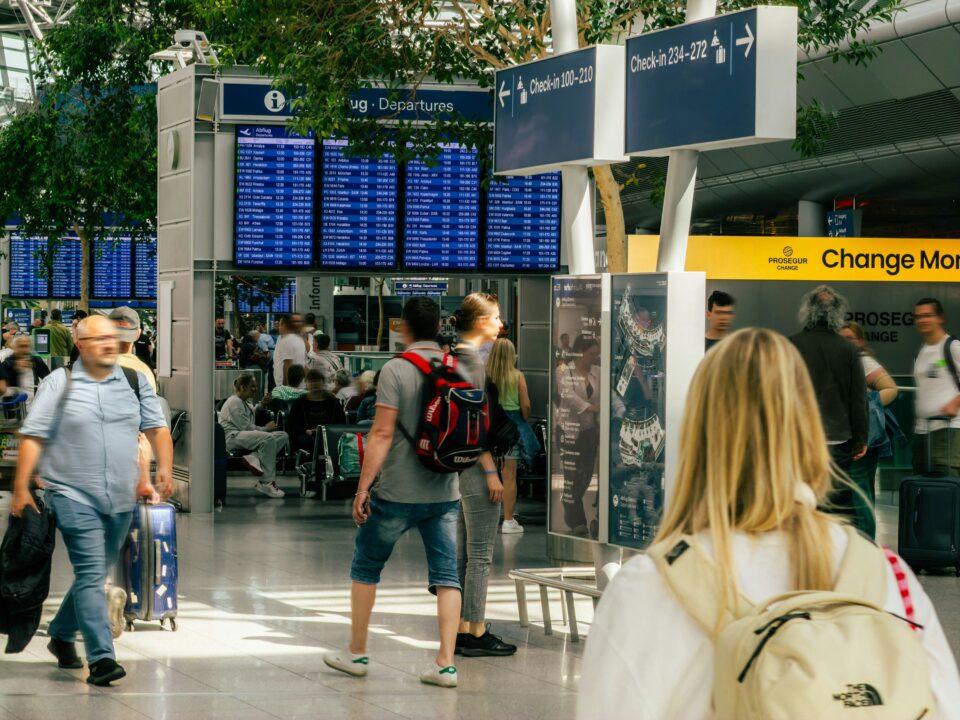
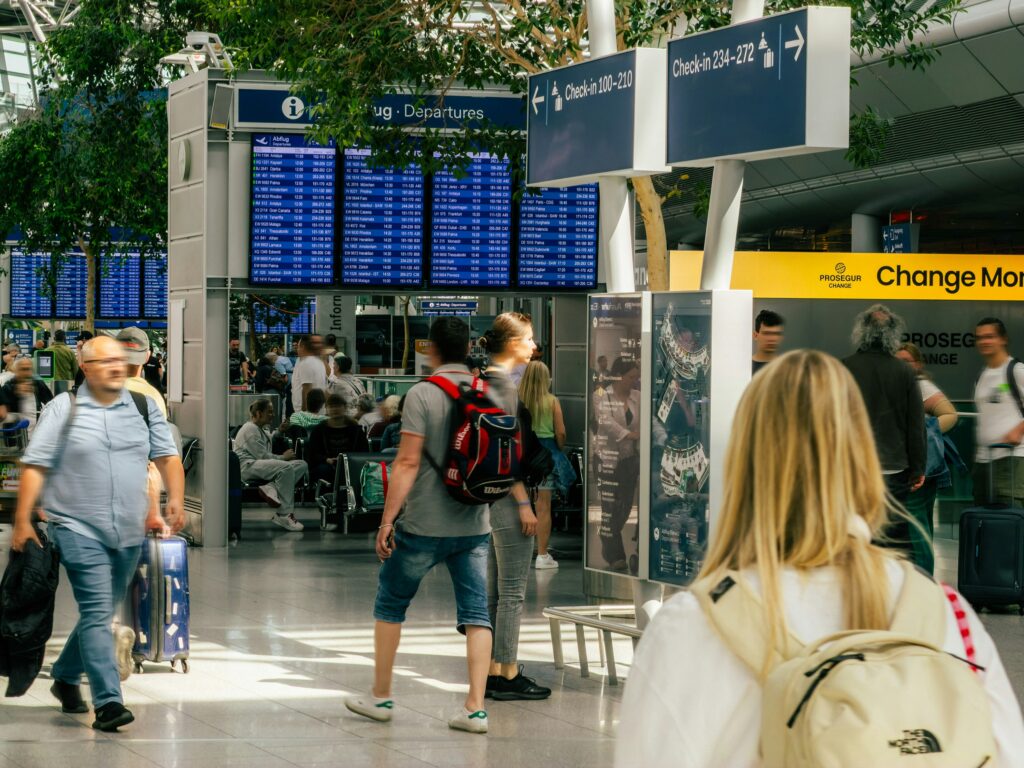
As reported by Travel Tomorrow, this has created widespread travel chaos across the United States. Travellers have faced long queues, missed connections and last-minute cancellations, as the agency struggles to manage operations with reduced personnel. Some international flights, including transatlantic routes, have experienced knock-on delays as airspace management slows down.
Delta is temporarily reducing flights at 40 US airports to comply with federal directives. All planned FAA-directed flight cancellations through Nov. 10 have been completed.
— Delta (@Delta) November 8, 2025
To check your flight status, please use https://t.co/lVlOjYwO0A or the Fly Delta App, where you can also…
What happens next
A Senate deal could potentially bring the shutdown to an end later this week. However, union leaders warn that restoring normal operations and processing back pay may take months. Daniels noted that following the 2019 shutdown, it took up to two and a half months for air traffic controllers to receive their full compensation.
In the meantime, the administration has floated the idea of using military air traffic controllers to cover civilian shortages. Duffy said that Defence Secretary Pete Hegseth had offered such support, though the plan’s feasibility remains uncertain. NATCA emphasised that integrating military staff into civilian operations would take significant time and training.
☄️#BREAKING: Air Traffic Controllers in the Army Reserves may be able to help with the shortage of Air Traffic Controllers.
— Galaxy News United(GNU) (@GalaxyNewsUnit) November 9, 2025
pic.twitter.com/0c7kvSvvQo
The FAA’s flight reduction order and controller fatigue concerns remain pressing. According to the agency, the temporary measures are designed to preserve safety amid reports from pilots about delayed responses and overworked staff.
For now, thousands of passengers continue to face uncertainty as the political deadlock in Washington shows little sign of immediate resolution. The crisis has exposed deep vulnerabilities in the US aviation system and raised serious questions about the intersection of politics, labour rights and public safety.