

Among the many changes brought to the aviation industry since the pandemic, few have expanded as rapidly as artificial intelligence (AI). From customer service chatbots and predictive maintenance to dynamic pricing and facial recognition boarding systems, AI has steadily reshaped the travel experience, sometimes successfully and sometimes not.
Now, airlines are addressing another long-standing issue, that of lost luggage.
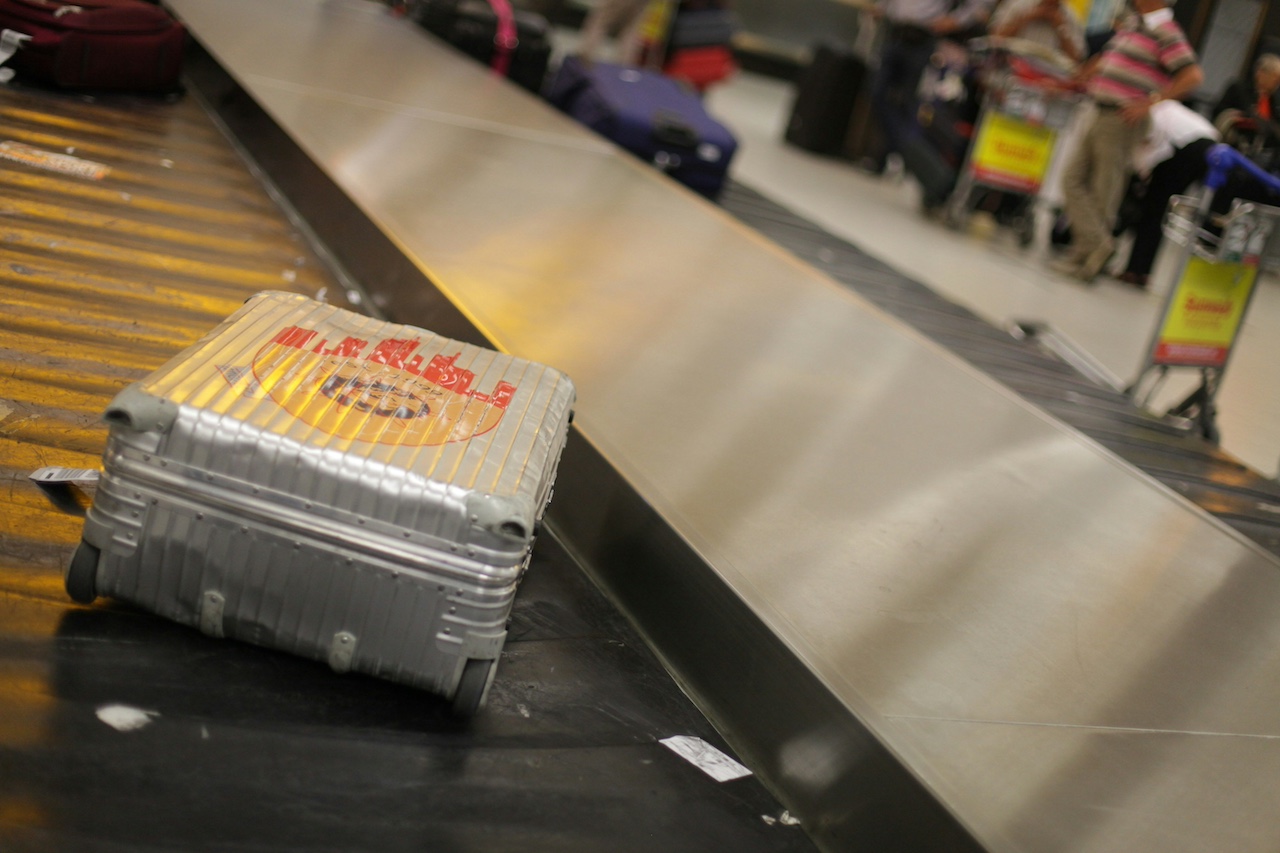
At first glance, the concept seems ideal for both passengers and airlines: a machine that tracks luggage from the moment it is dropped off at check-in until it is collected at the destination carousel. Using sensors, cameras, and automated tracking systems, airlines can identify a bag’s location at any time, potentially helping to reduce the millions of bags lost or mishandled each year globally.
The process is increasingly automated from start to finish. After check-in, luggage moves through conveyor systems into autonomous vehicles, which transport it across the airport and onto aircraft cargo. Bags are stacked with computer precision in a game of Tetris that surpasses human ability, reducing the mistakes and mishandling that cost airlines millions each year.
For airlines, the appeal is obvious. Machines do not suffer work-related injuries or require overtime pay, holidays or sick leave, and they can operate around the clock. Automated systems also reduce the time and cost of manual searches and couriers needed to reunite lost luggage with its owner.
@schipholairport We need a name for our robot! Any ideas? 🤖 #powerlifting #robot #schiphol #airport ♬ ROBOT – Simen Andreas Knudsen
This transition accelerated after the pandemic when airlines realised how vulnerable they were to large-scale disruption. COVID-19 closed borders and grounded entire fleets, resulting in unprecedented layoffs. When travel resumed, demand recovered faster than airlines could recruit and train new staff.
The result was chaos at airports worldwide. In 2022, 7.6 bags were mishandled for every thousand passengers, which was a 74.7% increase compared to previous years.
At the same time, AI has rapidly become part of everyday life and airports through facial recognition systems and now, luggage handling. However, these developments raise familiar concerns about surveillance, data collection and the growing role of automated decision-making in public spaces.
The question is no longer simply whether AI is efficient, but how much control travellers are willing to surrender in exchange for convenience and reliability.
@gzreel The second you let go of your suitcase, it disappears into a hidden, fully automated underground world most travelers never see. O From check-in, the bag is scanned, weighed, and assigned a digital identity using barcodes and RFID tags. It then drops onto high-speed convevor belts runnina beneath the terminal, where scanners, X-rav machines, and routing svstems process thousands of bags per hour without stopping Automated diverters sort each suitcase by flight number, departure time, and aircraft type, sending i t through miles of belts, elevators, and chutes. Ground handling vehicles load it into specific cargo containers, positioned precisely inside the aircraft to maintain balance and unloading order. When the plane lands, the entire svstem runs in reverse. The bag is unloaded, re-scanned, routed back through the conveyor network, and delivered to the correct carousel. often within minutes. It feels invisible. but it's one of the most complex logistics systems operating nonstop every day X Love Technology? Follow Wealth Media: €Gatwickairport 6Insta360 #technology #engineering #aviation #logistics ♬ original sound – GZreel
This debate becomes even more sensitive in an era of increasingly strict airline baggage policies. Low-cost carriers have already faced criticism for profiting from baggage fees, and the backlash intensified after reports emerged that some ground staff were receiving bonuses for identifying oversized bags.
AI takes that enforcement to another level. With automated scanning systems, there is little room for negotiation or human discretion.
For example, a soft-sided bag that could easily fit under a seat might still be flagged as oversized by a machine. Whereas human staff might once have shown flexibility, passengers who refuse the AI verdict may simply be denied boarding, and repeated offenders could potentially be logged automatically.
Supporters argue that margins of tolerance could still be programmed into AI systems. However, critics say that while machines may be highly efficient, they lack nuance and are incapable of making judgments in context.
As airlines continue to invest in automated baggage handling systems, the coming years will determine whether passengers are willing to accept an increasingly algorithm-driven travel experience.