

Pressure is mounting on the European Commission to make “immediate changes” to the bloc’s new Entry/Exit System (EES), with the border controls rolled out earlier in 2026 blamed for “excessive waiting times” and “significant disruption for passengers, airports, and airlines across the Schengen Area.”
The calls have come from trade bodies ACI Europe and Airlines for Europe (A4E), who say in a press release that “severe congestion” and delays of up to five hours at peak times are continuing across the region’s hubs, “putting exceptional pressure on border guards, airport and airline staff.” This, the groups say, is “despite considerable efforts from border control authorities to address the situation with the full support of airports.”
The tone of the press release reveals growing impatience with a system phased in from October 2025 after lengthy delays. The EES requires third-country visitors to the bloc to register passport details, facial imagery, and biometrics on arrival. The data are stored for up to three years or until the ID expires, with the intention of allowing the EU to track the movement of people into and out of its territory and boosting security.
Although the system has had to be temporarily suspended at certain destinations since its implementation, it has enabled the bloc to record almost 230 million entries and exits and refuse 80,000 arrivals (2,000 due to security concerns), according to EU Migration Commissioner Magnus Brunner, speaking to Politico.
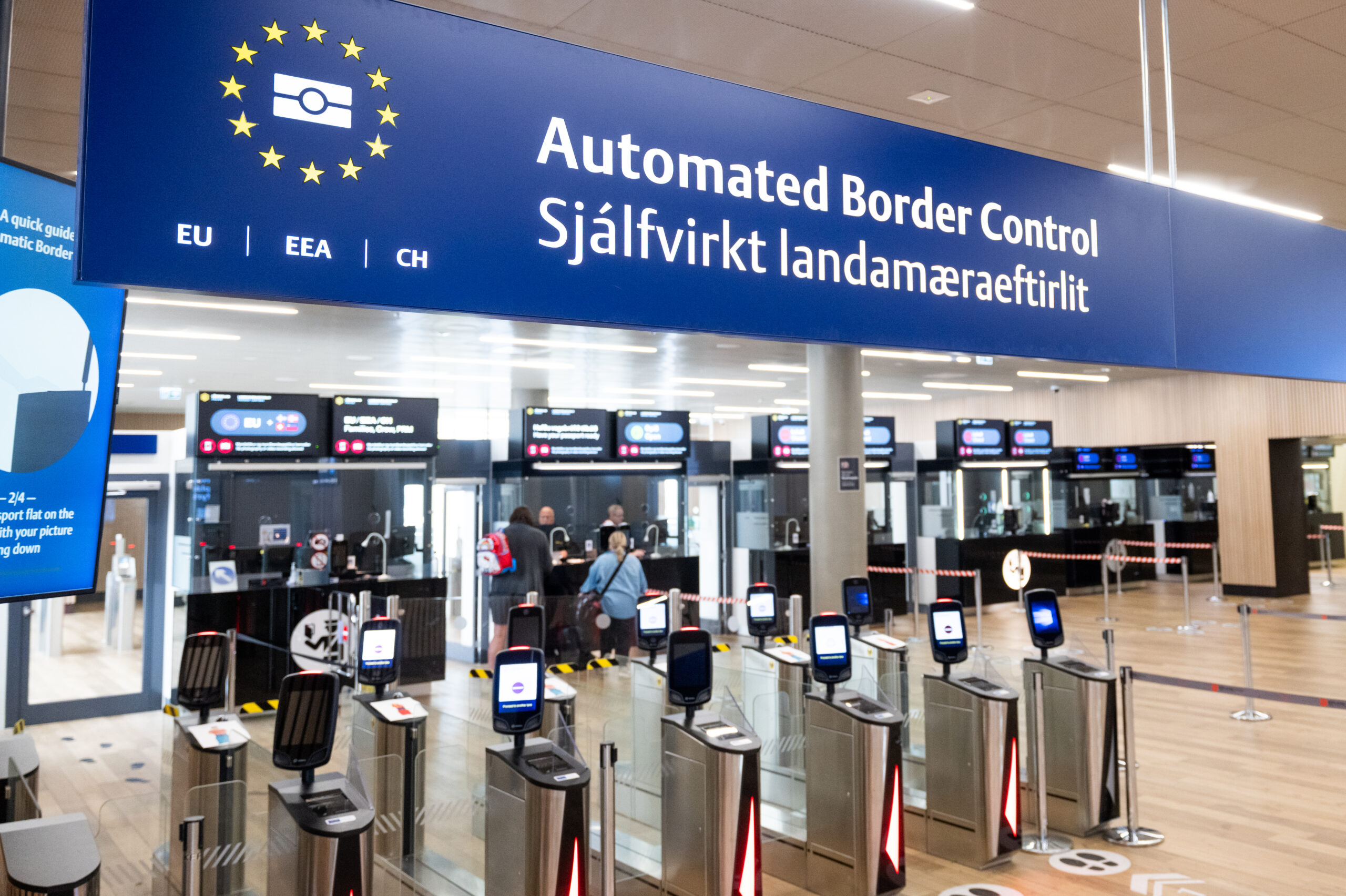
Still, the “unnecessary hardship” to which passengers are exposed persists due to “structural shortcomings that ACI EUROPE and A4E have warned about for months, but which remain largely unaddressed,” the groups say, pointing to “inadequate border control staffing, instability affecting the IT systems underpinning EES, the still-limited deployment and use of Self-Service Kiosks and Automated Border Control gates, and the limited functionalities and deployment of the Travel to Europe pre-registration app.”
Olivier Jankovec, ACI EUROPE Director General, and Ourania Georgoutsakou, A4E Managing Director, issued a joint statement, saying: “The EES has strengthened the security of Europe’s external borders – that is a clear achievement. But six months into its full rollout, the system is not delivering on efficient border crossings, and the promise of faster, more seamless travel remains unmet.”
They go on to insist: “This is no longer a teething problem, nor can passengers, airports and airlines keep paying the price for avoidable disruption. The time for simply managing the symptoms is over. We need decisive action to fix the structural problems in the EES, streamline its processes and secure efficient border crossings.”
That action, the pair say, should come in the form of a six-point plan they have put together. The “six concrete proposals” are as follows:
1. Eliminating “double verification”
2. Optimising biometric verification
3. Preventing duplicate EES profiles
4. Rethinking and upgrading the “Travel to Europe” app and web portal
5. Accelerating and harmonising Automated Border Control for third-country nationals
6. Restoring the possibility to partially suspend the EES (no registration of biometrics) in case of excessive waiting times as a permanent flexibility mechanism
However, Commissioner Brunner insisted to Politico that the onus for smoothly implementing the system falls on EU Member States, who, he said, agreed to the EES and “had enough time to prepare.” Unless that attitude changes, the row, the patchy implementation, and the disruption for passengers all look set to continue.