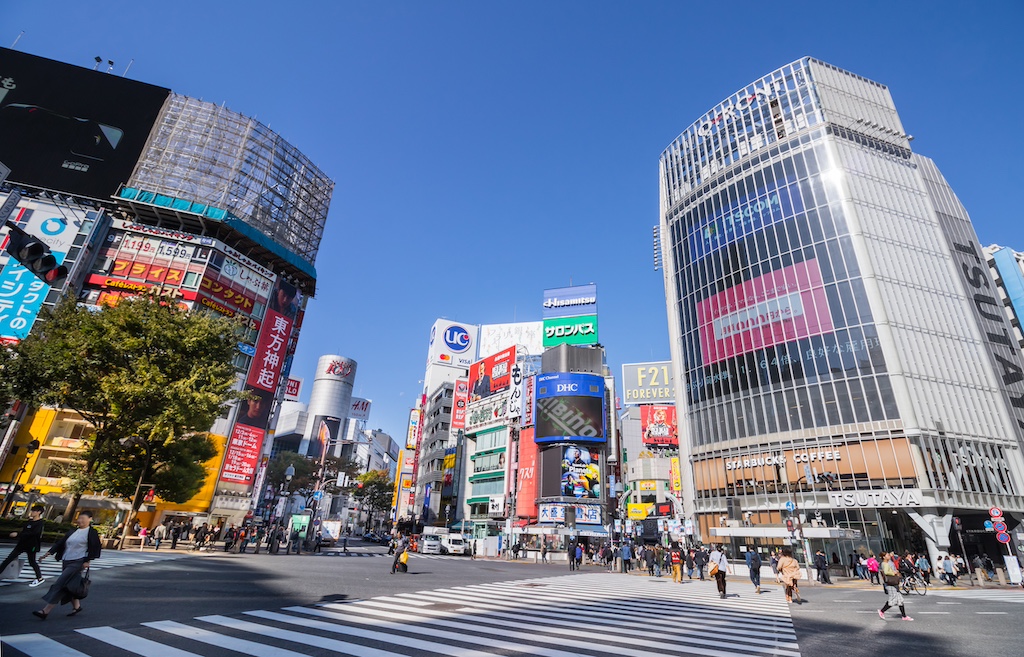



Shibuya ward in Tokyo has introduced on-the-spot fines for littering as it responds to growing pressure from rising visitor numbers and increasing waste in public spaces. Shibuya ward is an administrative district of Tokyo, responsible for managing local rules and services in the area. The new system applies to streets and parks in one of the city’s busiest entertainment and shopping districts, including the area around the famous Shibuya Crossing. Visitors caught dropping rubbish will be fined 2,000 Japanese yen (€10.75), with payment collected immediately by patrol staff.
Local officials say the decision comes after previous efforts to encourage better behaviour did not work as expected. “We cannot tolerate littering simply because there are no rubbish bins,” Shibuya Ward authorities said, highlighting that awareness campaigns and warning notices alone were not enough. The ward is aiming to make rules clearer and easier to enforce, especially in areas that attract large crowds every day.
The system is being rolled out in response to Japan’s record tourism growth, with 42.7 million international visitors recorded in 2025. Shibuya officials say the increase in foot traffic has led to more cases of public drinking and littering, particularly around train stations and busy pedestrian zones. The authorities stress that rules will apply equally to both locals and foreigners.
@cashmeow Trash Everywhere! #fyp #fypシ #tokyo #shibuya #japan ♬ Cute – Aurel Surya Lie
To enforce the new rules, around 50 patrol officers are being deployed across the district. Staff include English, Chinese, and Korean speakers to ensure that visitors can understand the rules clearly at the moment of enforcement. The multilingual approach is intended to reduce confusion and make communication easier between officers and tourists. Fines can be paid on the spot using cash, credit card, or QR code payments.
The campaign is also being promoted with a direct message aimed at visitors: “if you throw trash, you lose cash.” The slogan is part of a wider effort to make anti-littering rules more visible and easy to understand in a busy urban environment. Authorities say the goal is not only to penalise behaviour but also to encourage awareness of local rules.
Japan’s wider approach to waste management also helps explain the context behind the policy, especially for visitors unfamiliar with local systems. Public rubbish bins are relatively rare in many cities, including Tokyo, and this is partly linked to past security concerns. After the 1995 Tokyo subway sarin attack, carried out by the Aum Shinrikyo cult, authorities removed many public bins from train stations and busy public spaces to reduce the risk of hidden explosives or dangerous materials. Similar security concerns in later years reinforced this approach, and bins have never fully returned to public areas at the same scale.
@tsuru_ton_tan99 日本で1番、夜が眩しい街 🌃✨ Shibuya🇯🇵 #渋谷 #tokyo #japan ♬ オリジナル楽曲 – yama_vv
As a result, people in Japan are generally expected to carry their rubbish with them until they find appropriate disposal points, such as convenience stores or designated facilities. While this system is widely understood by residents, it can be confusing for visitors who expect public bins to be readily available in urban areas. In a government survey, more than 20% of tourists said the lack of bins was their biggest inconvenience when travelling in Japan.
The littering issue in Shibuya reflects a broader pattern across Japan as tourism reaches record levels. Popular destinations such as Kyoto and areas near Mount Fuji have also experienced congestion, waste problems, and pressure on local communities. In some cases, local authorities have taken unusual steps to manage the impact of visitor numbers, including cancelling events that became too difficult to organise safely.
National authorities are now introducing a range of measures to manage the situation, including higher tourism-related taxes and crowd-control tools that help distribute visitors more evenly. Digital systems are also being developed to show real-time crowd levels in popular areas, helping tourists avoid peak congestion times. These policies are part of a wider effort to balance tourism growth with livability in cities like Tokyo. In Shibuya, the new fines represent one of the most visible examples of this shift toward stricter and more direct enforcement in public spaces.