Mexico has begun enforcing a sweeping law prohibiting vaping devices, banning the importation, distribution and sale of e-cigarettes as of 16 January. A decree published in the Official Gazette of the Federation (DOF) reforms the General Health Law, eliminating the legal vape market entirely. Tourists are now being warned not to bring e-cigarettes into the country.
Mexico first restricted vaping imports in 2020, before moving in 2022 to ban the sale and importation of e-cigarettes. However, enforcement lagged after parts of earlier restrictions promoted by former president Andrés Manuel López Obrador were overturned by the Supreme Court on constitutional grounds.
Although an amendment passed in January 2025 addressed the legal framework, a major loophole remained as the country lacked practical enforcement mechanisms, allowing devices to continue entering Mexico from the US and China for local sale.
This final hurdle has now been removed. While previous regulations mainly focused on sales, the new legislation criminalises the import of vaping devices or related products, effectively eliminating the ‘personal use’ defence.
The ban covers disposable and refillable vapes, pods, e-liquids, and even nicotine-free devices. It targets every stage of the supply chain, including accessories and refills.
What you need to know about vaping ⬇️#TobaccoExposedpic.twitter.com/uXPCrFrOhJ
— World Health Organization (WHO) (@WHO) May 2, 2023
Tourists are therefore advised against travelling with vaping devices, as they risk fines of around €400 and possible detention. Separately, vaping and smoking in public spaces have been banned since 2023, as have tobacco advertising, promotion and sponsorship. This carries a fine of up to 3,000 Mexican pesos (approximately €150).
In a statement, Mexico’s current head of state, Claudia Sheinbaum Pardo, said that the law would penalise ‘all activities related to electronic cigarettes, vaping devices and other similar electronic systems or devices specified by law’. She added that measures targeting toxic substances, chemical precursors, and synthetic drugs also form part of broader public health efforts.
With the FIFA World Cup scheduled for June and July 2026, millions of football fans are expected to travel to Mexico. In order to avoid confusion and prevent visitors from unknowingly breaking the law, the head of Mexico City’s government, Clara Brugada, has announced a major information campaign to clarify ‘what can and cannot be done in the city’.
But the responsibility does not lie with the Mexican authorities alone. Knowing that thorough bag checks are to be expected during the World Cup, countries sending large numbers of fans should also ensure that travellers are properly informed before they depart, to avoid them going to watch a match and returning home with a hefty fine or worse.
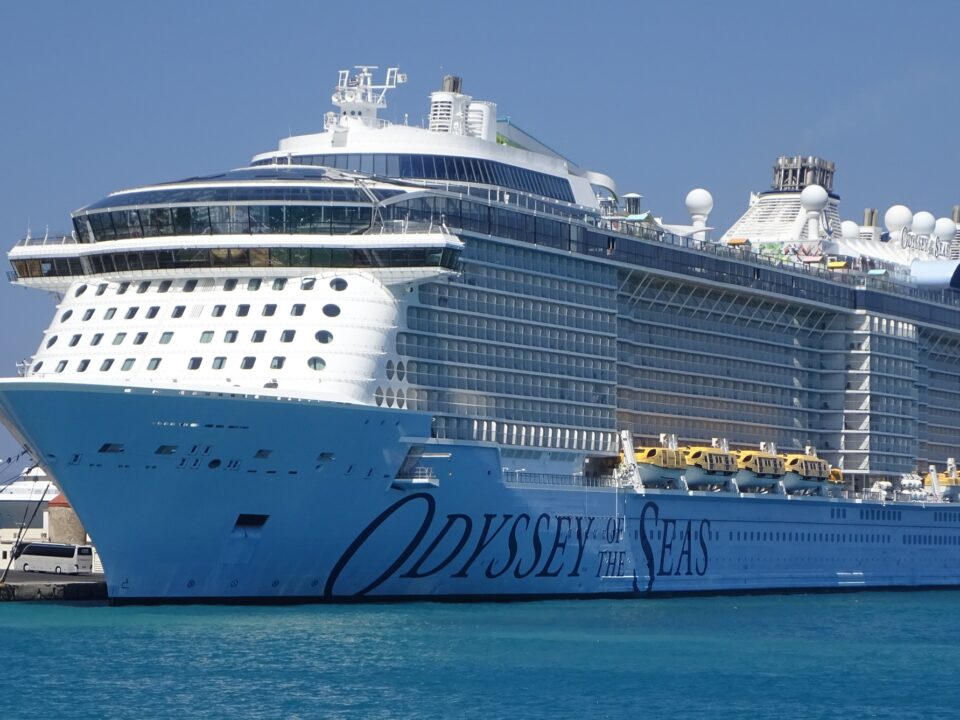
The ban also applies in cruise ports. Passengers caught with vaping devices while ashore may be charged with illegal importation, even if the device is intended for personal use. Penalties may include confiscation of the device, fines of up to $12,500 (€10,500) or even imprisonment. Therefore, cruise passengers are advised to leave vaping devices in their cabins when going ashore.
As something with pretty intense respiratory issues, I’m a HUGE fan of Mexico banning cigarettes and vapes pic.twitter.com/eFqQ6awjAh
— Coffee Master Caitie (@Caitiebear13) February 6, 2026
While Mexico is not the first country to adopt strict anti-smoking measures, its approach may be among the toughest. Last year, France expanded outdoor smoking bans around beaches, parks and schools, while the Maldives introduced legislation banning tobacco use for anyone born after 2007.
Elsewhere, Belgium is planning to introduce a nationwide ban on smoking and vaping in public areas such as terraces and designated smoking rooms. Spain is also moving in that direction, having approved draft legislation in September 2025 to ban smoking and vaping in many outdoor public spaces. If adopted, the proposal could come into force by spring 2026, but it still requires parliamentary approval.