

The Maldives has postponed the implementation of a controversial 17% Tourism Goods and Services Tax (TGST) on foreign tour operators, travel agencies and overseas booking platforms until 1 April 2027, following concerns from the international travel industry over rising costs and additional administrative requirements.
The measure was originally scheduled to take effect on 1 October 2026. However, Tourism and Civil Aviation Minister Mohamed Ameen announced the postponement during the country’s National Tourism Day celebrations on 3 October, providing overseas tourism businesses with an additional six months to prepare.
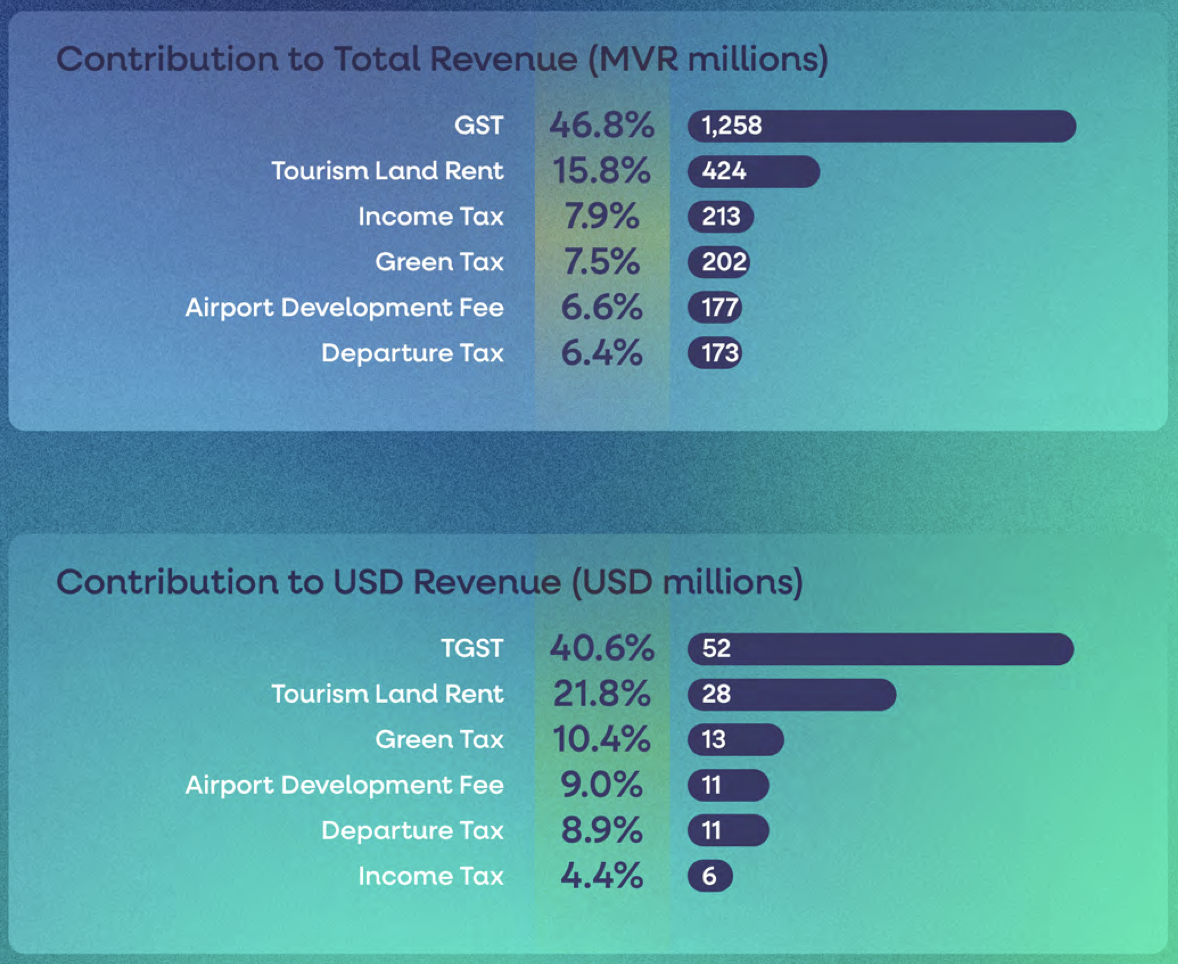
The new tax framework extends the Maldives’ existing 17% TGST to certain tourism products and booking services sold by foreign companies without a fixed place of business in the country. It covers accommodation, meals, transportation and other tourism-related activities, as well as associated booking and agency services.
Under the regulations, affected overseas suppliers are required to register with the Maldives Inland Revenue Authority (MIRA), which has established a dedicated registration process and has been working to inform businesses of their obligations.
The Maldivian government estimates that extending the tax to overseas tourism sellers could generate an additional 1.6 billion Maldivian rufiyaa (approximately €90 million) in revenue, as the country prepares for its Visit Maldives Year 2027 tourism campaign.
However, the proposal has faced opposition from international travel associations, which have warned that the additional financial and administrative burden could make holidays in the Maldives more expensive and potentially discourage visitors.
The Outbound Tour Operators Association of India (OTOAI) has called for a review of the policy, arguing that the tax could place further pressure on travel businesses already dealing with geopolitical uncertainty, rising operating costs and weakening demand in certain markets.
European tourism organisations have also urged the government to reconsider the measure, warning that operators could be forced either to absorb the additional costs or pass them on to travellers.
Despite the announced postponement, uncertainty remains over the legal implementation of the decision. The UK’s Association of British Travel Agents (ABTA) has requested formal confirmation from Maldivian authorities, particularly as the legislation had already entered into force on 1 October.
“Until there is official confirmation and proper engagement between the government and industry, the situation remains difficult for members,” said Susan Deer, ABTA’s director of industry relations.
The tax debate comes as the Maldives prepares for a major year of international tourism promotion. In addition to its Visit Maldives 2027 campaign, the island nation has been announced as the official Host Country of ITB Berlin 2027, one of the world’s leading travel trade exhibitions.
The postponement offers temporary relief to overseas tourism businesses, although industry representatives continue to seek greater clarity on how the tax will be applied when the new deadline approaches.