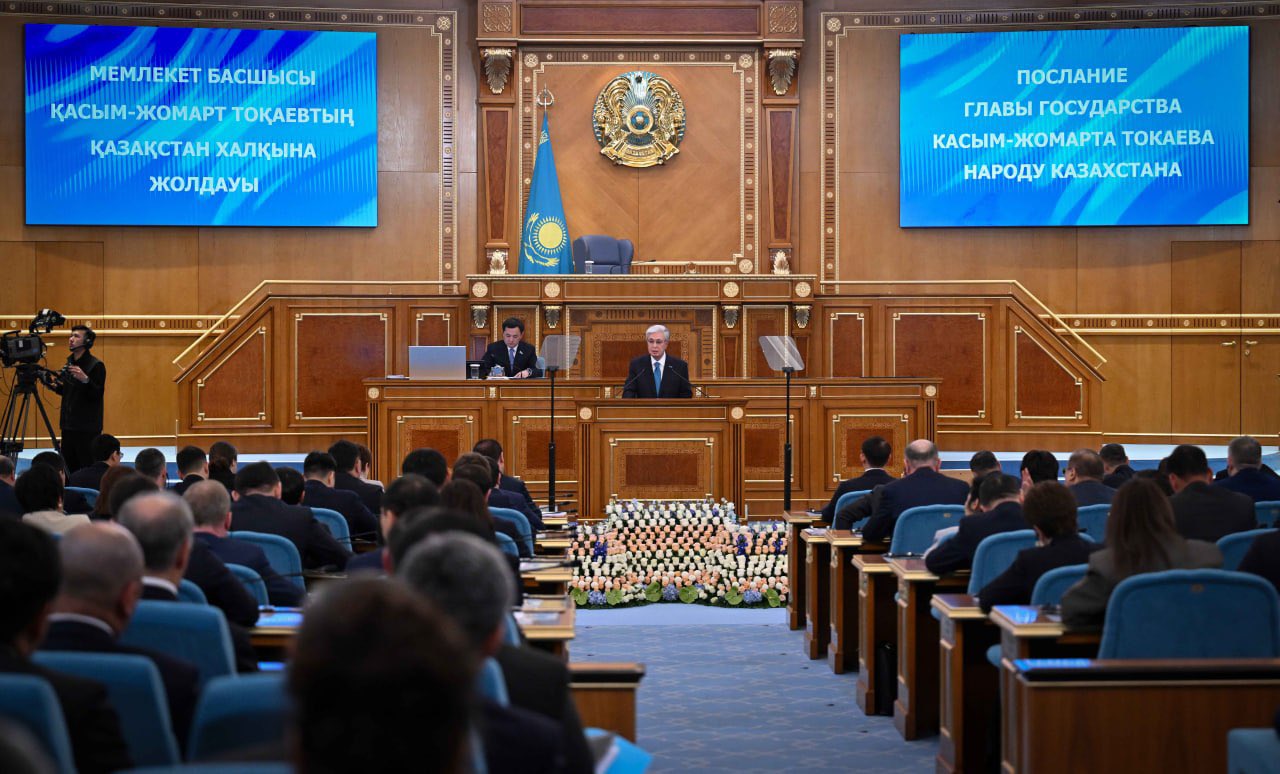


Kazakhstan plans to begin construction of a new airport in Astana in 2027 and accelerate improvements to roads, regional airports and railways, under an infrastructure programme outlined by President Kassym-Jomart Tokayev in his State of the Nation Address on 28 October.
The announcements form part of a wider modernisation drive, with approximately 6.5 trillion tenge to be allocated from the National Fund by the end of 2029. While the programme addresses public services, housing and economic development, its transport priorities also have implications for a country seeking to expand tourism and strengthen connections between Europe and Asia.
New airports and stronger regional access
Aviation featured prominently in the address, with Tokayev arguing that Kazakhstan needs better infrastructure on the ground to benefit from its position beneath major air corridors connecting Europe and Asia.
“Key air corridors connecting Europe and Asia pass through our territory. This represents an enormous competitive advantage, yet one that, so far, exists largely on the pages of glossy presentations,” Tokayev said. He called for better ground-based service infrastructure to translate that geographical position into economic benefits.
He said construction of a modern airport in Astana would begin in 2027 in partnership with a leading international company. The address did not identify the partner or provide details of the airport’s planned capacity, cost or opening date.
Alongside the capital project, Tokayev said the restoration of Arkalyk Airport had been completed and that airports in Zaysan, Katon-Karagay and Kenderli would become operational in the near future.
For the travel industry, the regional projects could help broaden access beyond Kazakhstan’s main urban gateways. Their eventual contribution to tourism will depend on the services airlines introduce, onward transport and the accommodation and visitor facilities available locally.
In his State of the Nation Address to the People of Kazakhstan President @TokayevKZ has set out a vision for the country’s next stage of development. The agenda: a competitive economy, modern infrastructure, accelerated digital transformation and higher living standards – building a Just, Strong, Clean and Progressive #Kazakhstan.
— Press Office of the President of Kazakhstan (@aqorda_press) October 28, 2026
Roads and services matter for destination development
Tokayev also called for higher standards across the road network, placing responsibility for both national and local roads with the government through the Ministry of Transport. He criticised delays, fragmented responsibilities and inadequate roadside infrastructure, while demanding the completion of reconstruction work at road border crossings in 2027.
These priorities are relevant to tourism across a geographically extensive country, where reaching natural attractions and regional destinations often requires substantial journeys by road. Better surfaces, reliable services and more efficient crossings could improve conditions for domestic travellers, international visitors and tour operators.
The broader “People’s Construction” initiative will include transport and utilities alongside healthcare, education, sporting and cultural facilities. Tokayev described it as the largest infrastructure project in Kazakhstan’s history and proposed declaring 2027 the Year of Nationwide Large-Scale Construction.
Its primary purpose is to improve living conditions for residents. For destinations seeking to welcome more visitors, dependable water supplies, functioning utilities and well-maintained public spaces also provide essential foundations.
🇰🇿 In his State of the Nation Address, President @TokayevKZ outlined key economic priorities and announced “People’s Construction” – a nationwide initiative to modernise infrastructure, create jobs and improve living standards. #Kazakhstan https://t.co/lGLLsyRwxQ
— Permanent Mission of Kazakhstan to United Nations (@KazakhstanUN) October 29, 2026
Tourism growth raises the importance of delivery
The infrastructure announcements come as Kazakhstan expands its visitor economy. As Travel Tomorrow previously reported, the country recorded 15.7 million foreign visits in 2025, while tourism investment exceeded 1.3 trillion tenge, approximately €2.4 billion.
Accommodation capacity also increased, reaching 4,482 establishments offering more than 232,000 beds. Those figures provide context for the transport programme: additional accommodation and destination investment need accessible airports, reliable roads and effective local services to support demand.
Kazakhstan’s tourism development plans already encompass ecotourism, gastronomy, equestrian routes, self-drive holidays and business events. Improvements to regional infrastructure could support these segments, although the address did not set out a separate tourism funding allocation within the nationwide construction programme.
Connecting Kazakhstan with European transport networks
Rail freight and international logistics were another major focus. Tokayev said the Bakhty–Ayagoz railway would become operational in 2027, adding 20 million tonnes of freight capacity on routes towards China.
“Kazakhstan must seize this historic opportunity to become a leading logistics centre in Eurasia in practice, not merely in name,” Tokayev said. He also called for stronger domestic logistics operators and freight consolidation and distribution centres.
He highlighted the Aral–Caspian transport corridor, where construction began in August, and called for the digitalisation of international transport routes. The emphasis was on making Kazakhstan a more effective organiser of freight flows, supported by logistics centres, trading hubs and better connections across its territory.
These plans connect with discussions during the Belgian royal state visit to Kazakhstan from 12 to 14 October. Transport cooperation featured alongside tourism, cultural exchanges and university partnerships during the visit by King Philippe and Queen Mathilde.
🇰🇿🇧🇪 Kazakhstan and Belgium share a strong friendship founded on trust and mutual respect. It was a big honor and privilege to welcome King Philippe and Queen Mathilde @MonarchieBe to Astana. Our productive talks reaffirmed shared commitment to strengthening bilateral ties and opened new avenues for cooperation. As Their Majesties continue their visit in Almaty, I hope they will enjoy the city’s vibrant spirit and discover its rich cultural heritage. May the partnership between Kazakhstan and Belgium continue to thrive!
— Qasym-Jomart Toqayev (@TokayevKZ) October 14, 2026
The talks highlighted the Trans-Caspian International Transport Route, commonly known as the Middle Corridor, and opportunities to connect it more closely with European ports, railways and logistics hubs. Cooperation between Antwerp-Bruges and Kazakhstan’s Caspian ports of Aktau and Kuryk was among the areas discussed.
These are principally freight initiatives. Their relevance to the wider travel economy lies in the commercial relationships, infrastructure investment and professional exchanges they can help sustain.
Investment conditions and energy supply
Beyond transport, Tokayev called for more coordinated support for investors, stronger legal safeguards and improved access to long-term business finance. He outlined plans for an Investment Court in Alatau based on the English common law model and proposed discussing a three-year moratorium on inspections of micro and small businesses from January 2027.
Such measures could be relevant to hospitality investors and smaller tourism businesses, although their practical effects will depend on the legislation and implementation that follow. Tokayev also acknowledged persistent inflation and urged targeted changes to tax legislation to address difficulties experienced by businesses.
Energy reliability formed another part of the programme, with a goal of achieving a sustained electricity surplus by 2029 through additional generation and upgraded infrastructure. For accommodation providers and other visitor services, dependable electricity is a basic operating requirement as well as a consideration when planning new investment.
The address places infrastructure at the centre of Kazakhstan’s next phase of development. For its growing tourism sector, the practical test will be whether the announced projects translate into easier journeys, reliable services and better access to destinations across the country.