


While September is not over yet, organised travellers can already start planning their holidays next year, as Lonely Planet has unveiled its Best in Travel 2027 selection.
The famous travel guide publisher, founded in 1973, has been inspiring independent travellers for over five decades. The guide is published annually and brings together recommendations from its writers and travel experts around the globe.
For this edition, the selection is split into two: 25 must-visit destinations and 25 must-do experiences.
This year’s selection spans very different landscapes, from Australia’s Red Centre to Montserrat’s volcano-carved coastline and the salt flats of Gujarat in India.
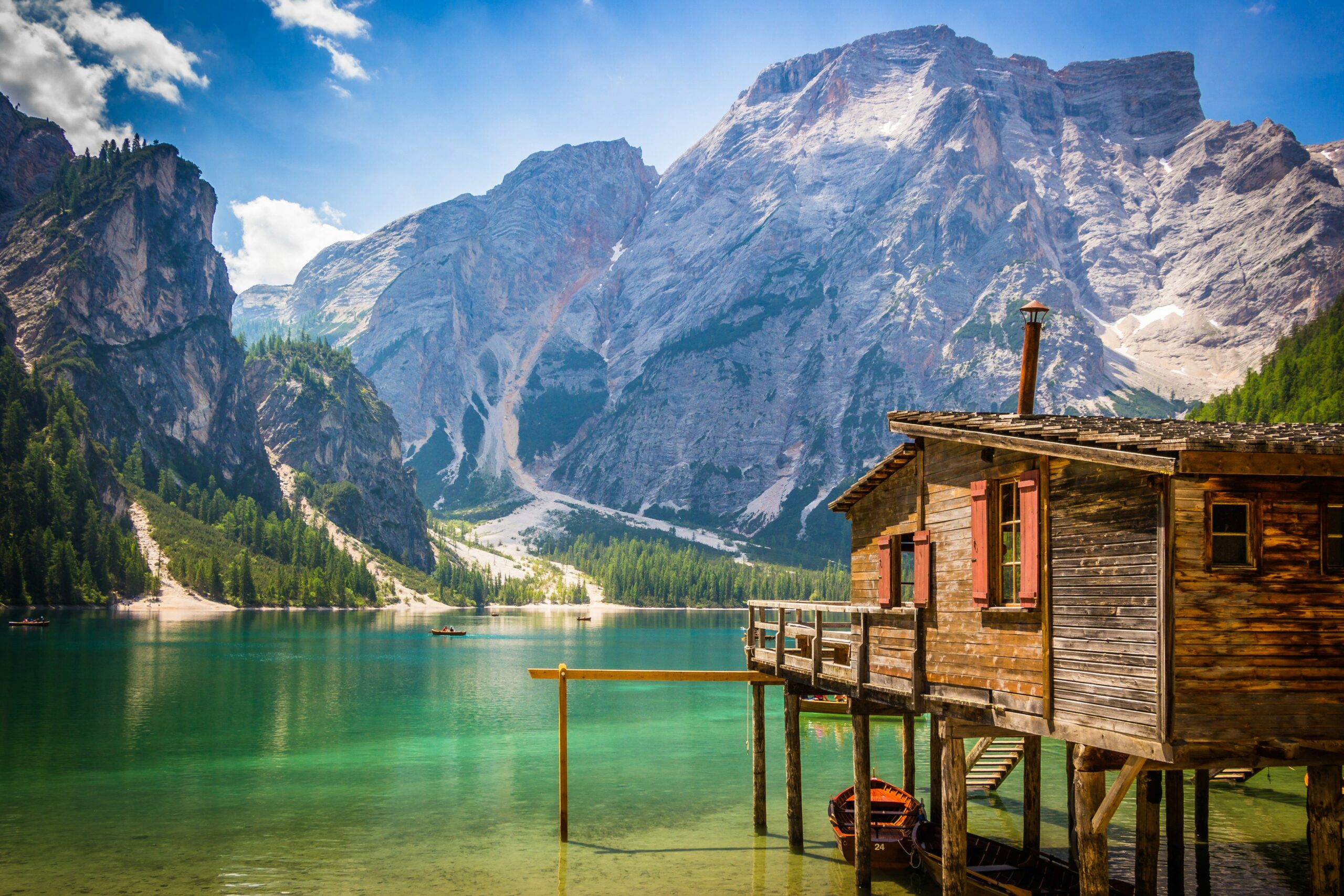
Europe accounts for ten of the 50 entries. Among them is Italy’s Veneto region, described by Lonely Planet as a “microcosm”, where the guide encourages travellers to venture beyond Venice to the Dolomites, Lake Garda, Verona and Padua.
Dessau in Germany, the cradle of the Bauhaus, also features on the list, alongside Šibenik for a “crowd-free” Adriatic escape in Croatia, León on the Camino de Santiago, in northern Spain and Skanör-Falsterbo, also known as the Swedish Riviera, with its quiet streets and rows of traditional cottages.
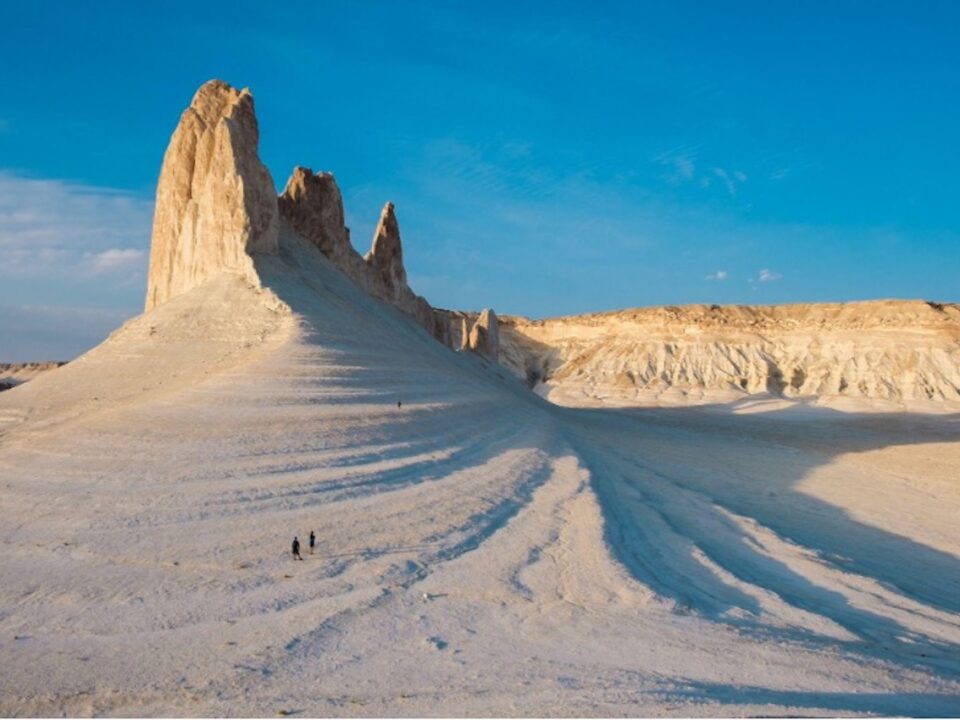
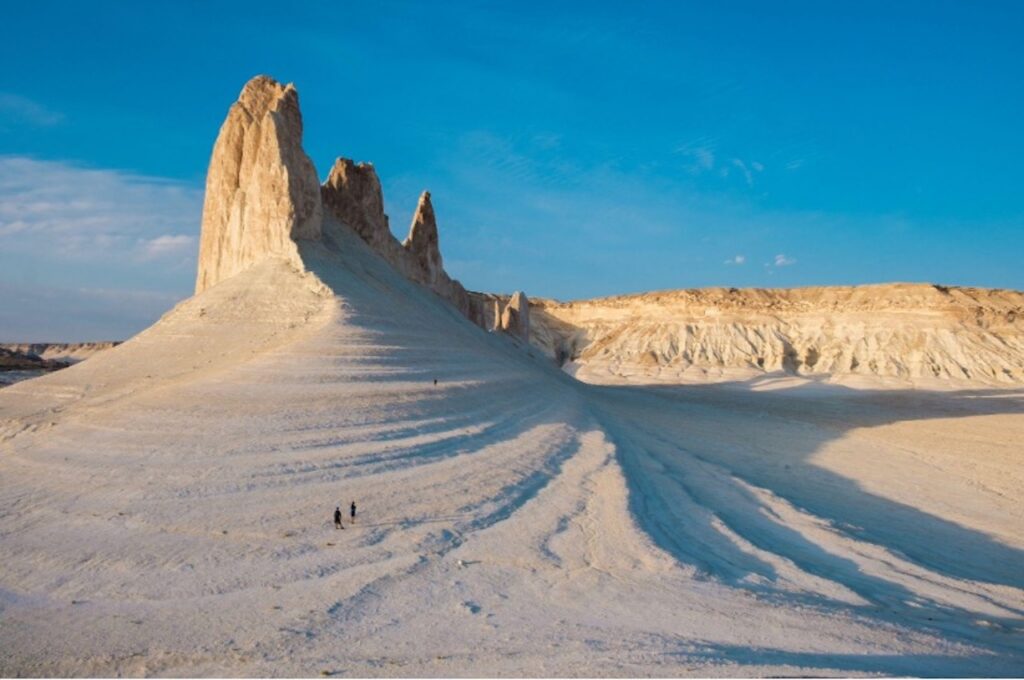
Further afield, the list takes travellers to California’s giant redwood trees and misty coastal landscapes, Québec and Prince Edward Island in Canada, Montserrat in the Caribbean, Morocco’s capital Rabat, Oman, the Tsavo national parks in Kenya and the small Maldivian island of Fulidhoo, as well as Astana, the Kazakh capital whose gleaming, gravity-defying skyline rises out of the northern steppes.
Coasts feature prominently, accounting for ten of the 25 destinations, but not necessarily in the tropical-island mould. Montserrat offers black-sand beaches beneath the still-active Soufrière Hills volcano, while Skanör-Falsterbo combines broad Baltic beaches and colourful bathing huts. Fulidhoo, meanwhile, offers visitors the chance to stay in locally run guesthouses rather than the private-island resorts for which the Maldives is best known.
“What I love about this list is how much it expands the idea of a beach or island escape. Yes, there are places that deliver the extraordinary beauty travellers dream about, but there are also destinations that surprise you, including volcanic coastlines, subtropical islands, cold-water landscapes and places you may never have thought of as a beach destination at all,” Chambers told Forbes.
The other half of the selection focuses on activities and sensory experiences travellers can enjoy once they have reached their destination.
“I think what’s exciting to us is that there’s not just one kind of trip we’re telling people to take. It’s really about finding the experience that speaks to what someone wants from travel right now,” Chambers told CNN. That might mean “eating crabs in Maryland” or “kayaking through Okinawa”.
Recommendations include road-tripping along France’s Route Napoléon from the Côte d’Azur to the Alps, sailing around Sicily’s Aeolian Islands, diving in Greece’s Aegean Sea and walking St Cuthbert’s Way to Lindisfarne in the United Kingdom.
Travellers can also ride India’s Darjeeling Himalayan Railway, take a longboat into orangutan territory in Malaysia or follow a food trail through Taiwan.
Some experiences are more low-key, such as spending a night as a lighthouse keeper on Rose Island, Rhode Island, while others are more adventurous, such as a polar plunge in Antarctica or visiting the chimpanzees of Tanzania’s Gombe National Park.
Rather than promoting one particular style of holiday, the selection deliberately spans everything from short, accessible city escapes to bucket-list adventures.
“The list is really meant to be a range of experiences,” Chambers said, encompassing both weekend trips and journeys that are “awe-inspiring and otherworldly”.