
Italy is bracing for major travel disruption this February as nationwide air and rail strikes threaten tens of thousands of journeys during peak winter travel, just weeks before the Milan–Cortina Winter Olympics.
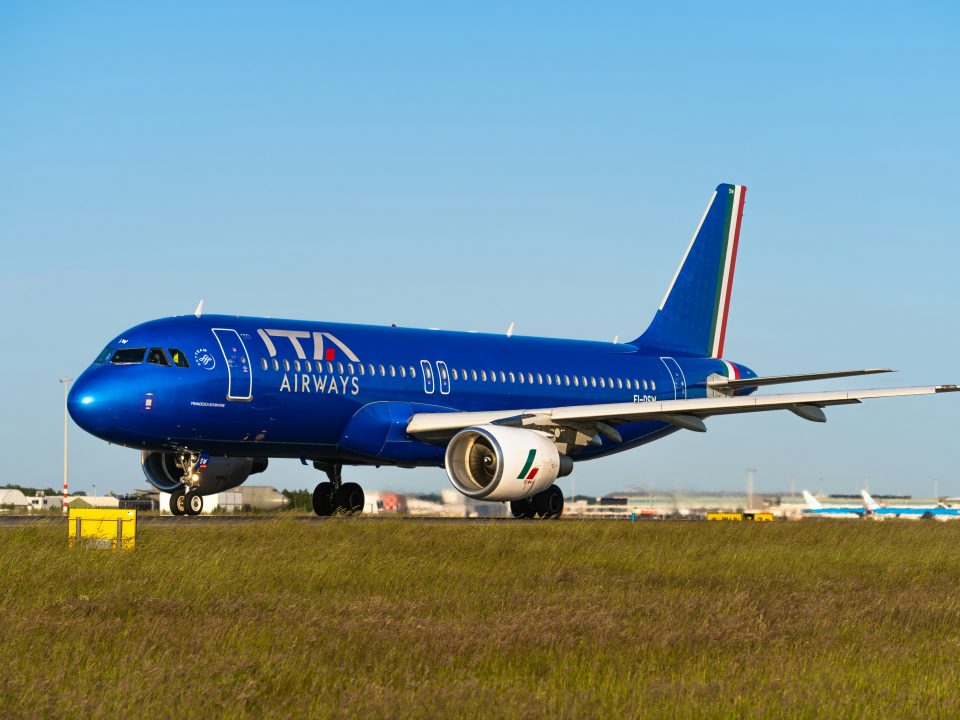
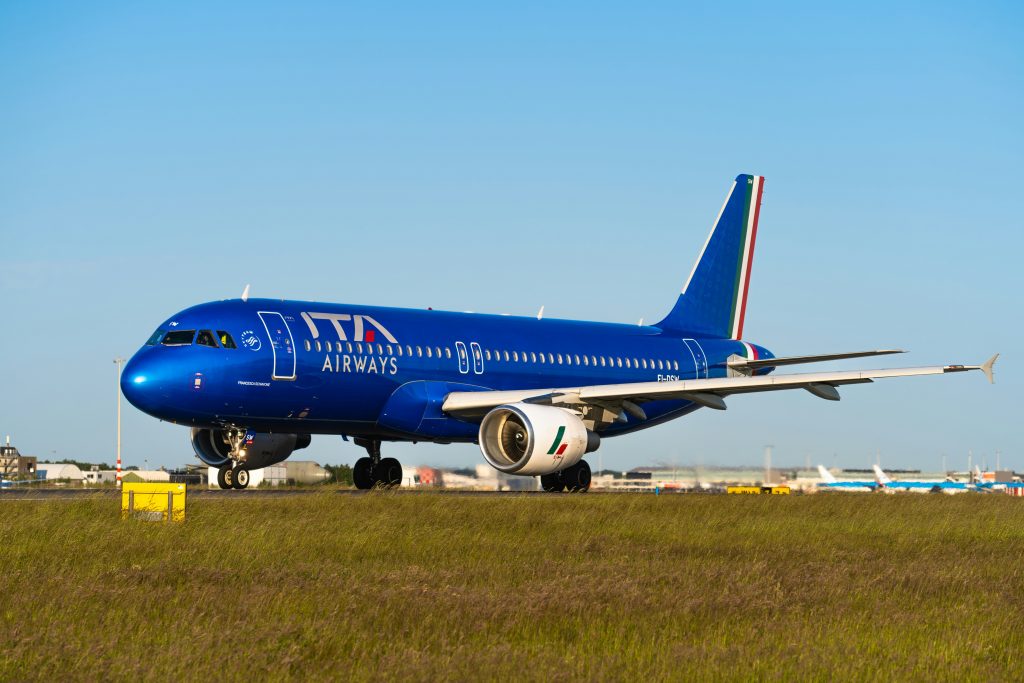
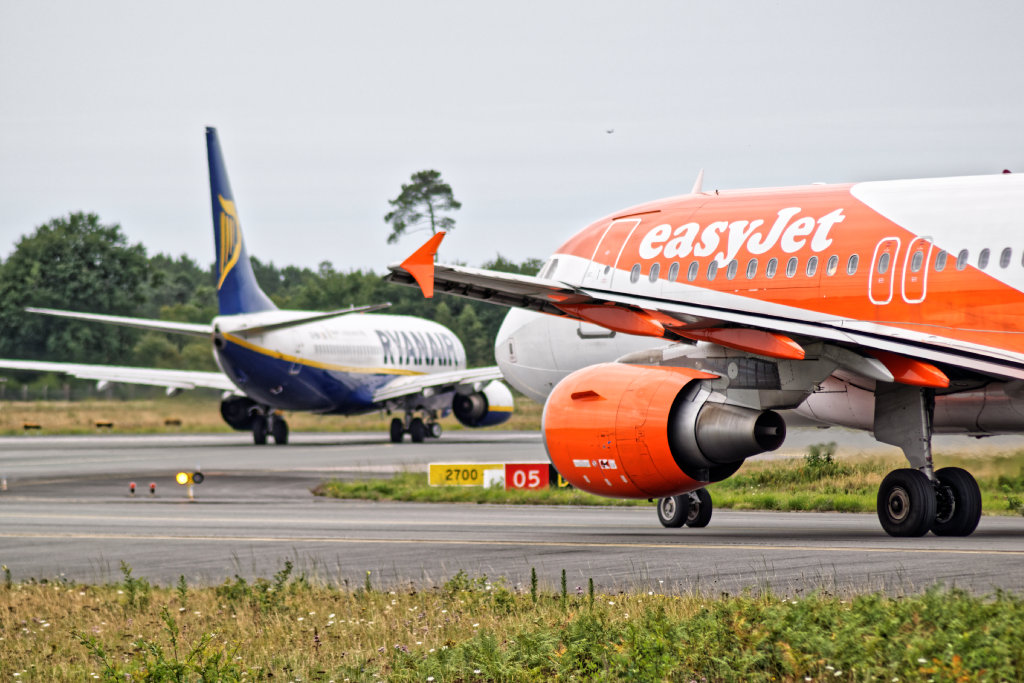
A 24-hour aviation strike is scheduled for 16 February, involving staff at ITA Airways, Vueling and several airport handling companies. The action is expected to affect key hubs including Milan Malpensa, Milan Linate, Rome Fiumicino, Venice Marco Polo and Verona Valerio Catullo.
Under Italian law, limited flights must operate during protected time slots — typically between 7:00 am and 10:00 am and 6:00 pm and 9:00 pm — but the majority of scheduled departures fall outside these guaranteed windows. Nearly 70% of flights could be affected, with an estimated 25,000 to 27,000 passengers facing potential cancellations or delays.
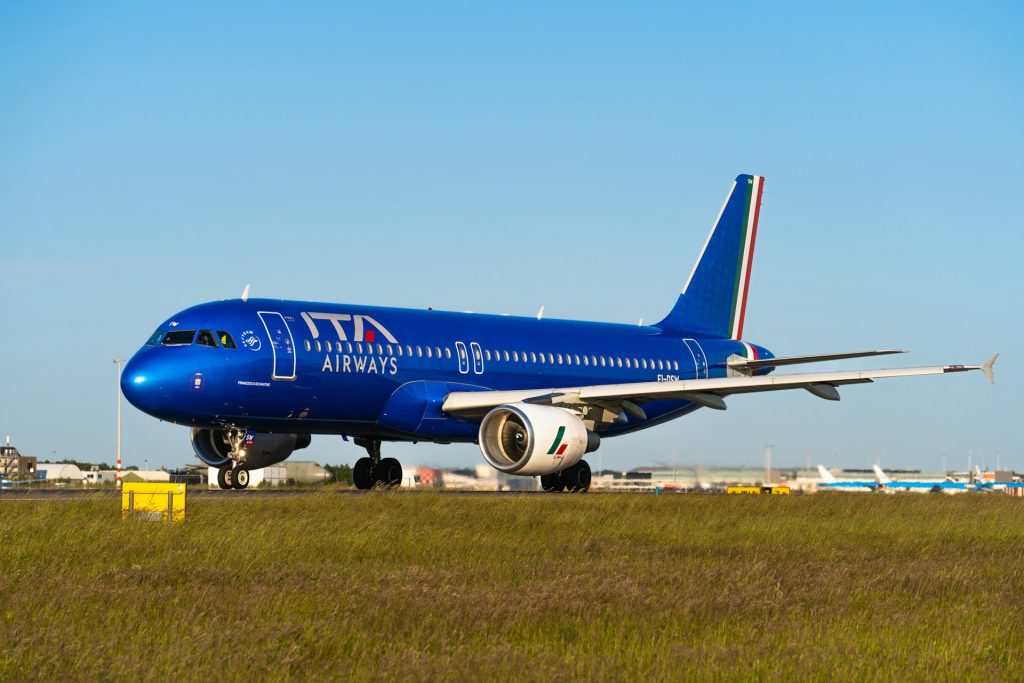
Unions representing pilots, cabin crew and ground staff say the strike follows stalled negotiations over pay, employment protections and working conditions. They argue that national labour contracts remain unresolved and that there is insufficient clarity about long-term investment and staffing levels in the aviation sector. Participation by airport handling staff could also slow check-in, security screening and ground operations, potentially affecting even those flights that do operate.
However, uncertainty remains over whether the walkout will proceed as planned. Italy’s strike watchdog, the Commissione di Garanzia sugli Scioperi, has proposed postponing the 16 February aviation strike, along with another planned for early March, until after the Winter Olympics to avoid disruption during the Games. Transport Minister Matteo Salvini has expressed support for rescheduling the action and may seek agreement with unions.
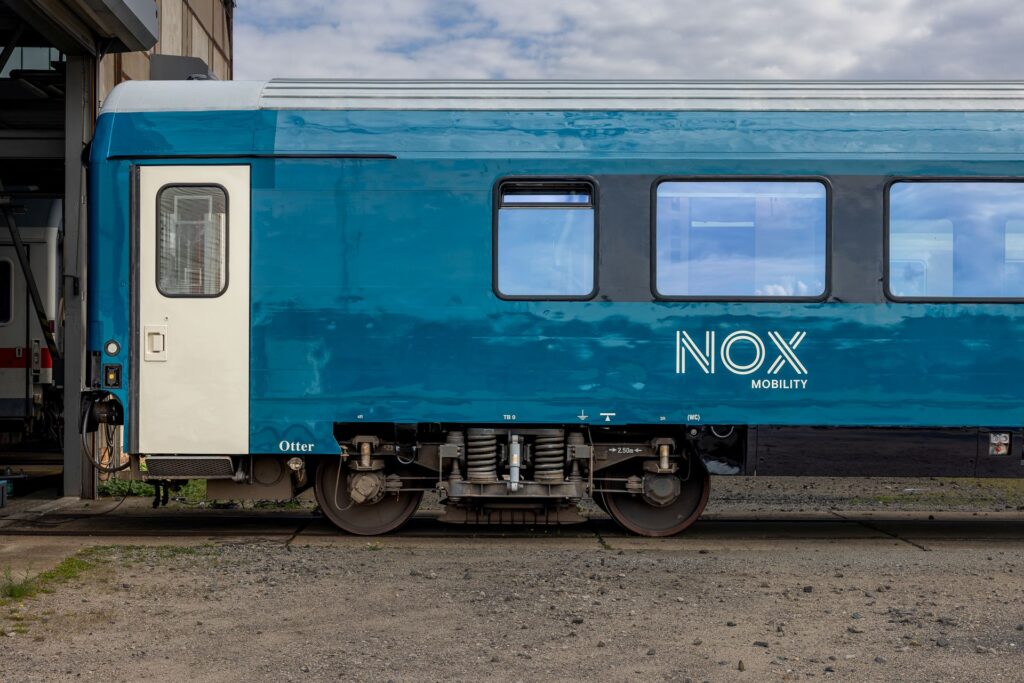
Later in the month, rail passengers face further disruption. Workers at state railway company Ferrovie dello Stato Italiane are set to strike from the evening of 27 February until the evening of 28 February, affecting regional, Intercity and high-speed services nationwide.
Rail unions have raised similar concerns over pay levels, workloads and unresolved contract negotiations. Although minimum service requirements apply in some cases, widespread cancellations and delays are expected, particularly on long-distance and high-speed routes.
Airlines and rail operators have advised passengers to monitor official updates as discussions continue over whether the strike will be postponed. Choosing flexible tickets and monitoring apps for real-time updates can help minimise disruption. On strike days, arriving early at airports and stations, allowing extra time for connections and considering alternative transport such as buses or car hire may reduce inconvenience.