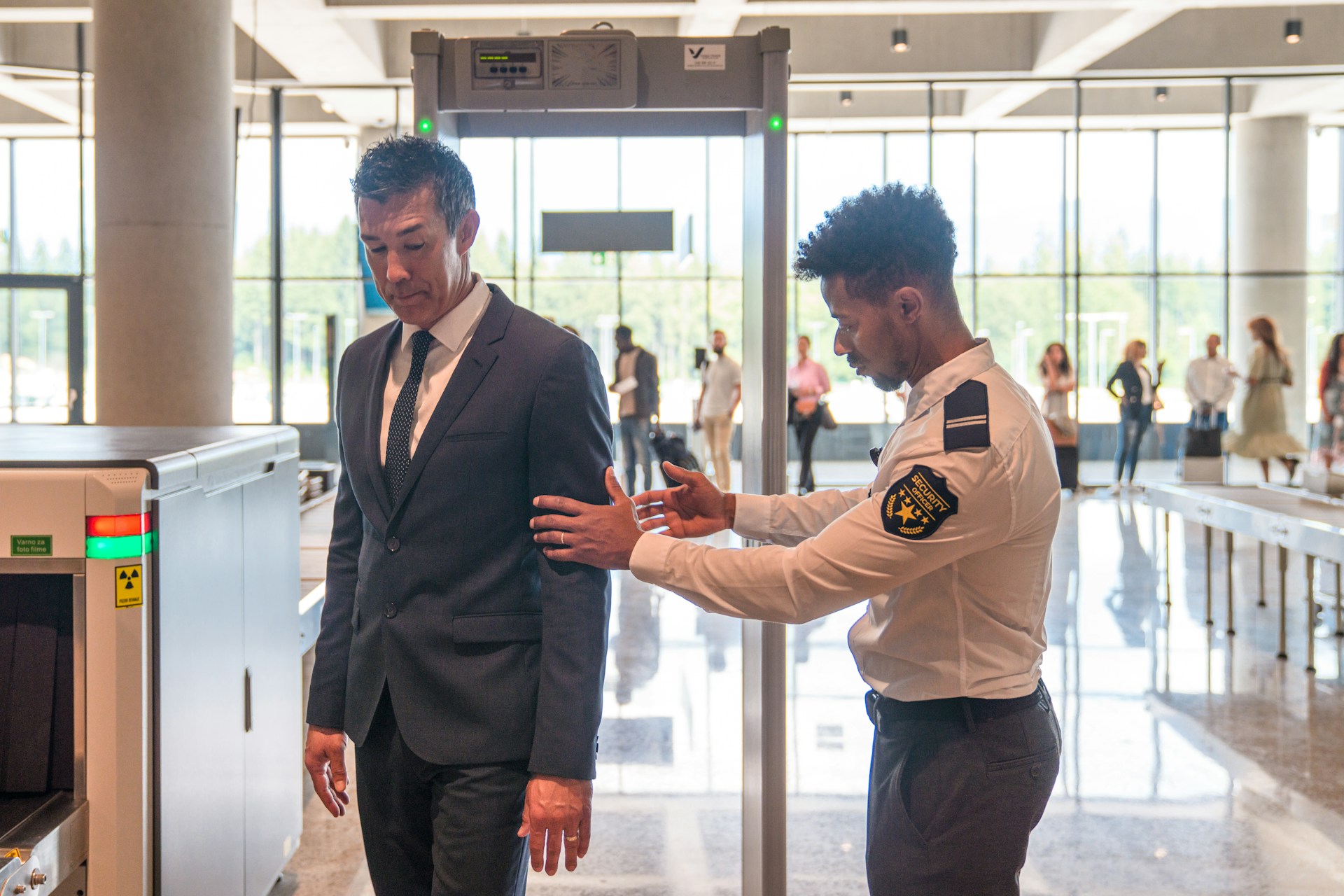



The Transportation Security Administration is introducing TSA Gold+ as a new public-private partnership in select US airports. The program focuses on modernising airport security by expanding the role of private companies in passenger screening operations. TSA will continue to set the security standards and oversee performance, while private partners may manage staffing, equipment, and parts of daily operations. The initiative is designed to improve efficiency and reduce disruption risks linked to staffing shortages and government funding issues.
TSA Gold+ builds on the existing Screening Partnership Program, which already allows private companies to operate security screening at certain airports. Under the new model, more airports may opt in and work with private operators to tailor security operations to local needs. These operators can help manage workforce planning, maintain equipment, and introduce new screening technologies. The goal is to make airport operations more flexible while keeping national security requirements consistent.
We've got a TSA playbook for your @FIFAWorldCup travel, and it’s easy to net:
— TSA (@TSA) May 8, 2026
⚽️AskTSA contacts
⚽️TSA Cares
⚽️TSA PreCheck info
⚽️Our “What Can I Bring?’ tool
⚽️TSA’s travel checklist
⚽️Acceptable ID info
Make it your goal to visit: https://t.co/SZnuteVReM pic.twitter.com/QaxBaRrD1G
The program is not a passenger service and has no impact on individual travellers in terms of sign-up or cost. Unlike TSA PreCheck, TSA Gold+ is not a membership or fast-track programme for individuals. It operates at airport level, meaning changes happen behind the scenes rather than in how passengers prepare for travel. Travellers will still follow the same security rules and screening procedures.
For passengers, the most noticeable impact is expected to be indirect and gradual. TSA Gold+ aims to improve the flow of security checkpoints by introducing updated technology and more efficient staffing models. This could eventually lead to shorter waiting times and fewer bottlenecks during busy travel periods. However, early implementation is likely to look similar to current screening experiences.
The program is partly a response to rising passenger volumes and previous disruptions caused by government shutdowns. These events have shown how quickly staffing shortages can lead to long queues and operational delays. By involving private partners, airports may gain more stability and reduce reliance on federal budget cycles. This approach is intended to keep screening operations running more consistently, even during periods of political or financial uncertainty.
Technology plays a central role in TSA Gold+. The program is designed to speed up the introduction of new screening systems by reducing long public procurement processes. Private partners can invest in updated equipment and help modernise checkpoint design more quickly. This includes improvements aimed at making the journey from arrival to boarding more efficient and predictable.
Airports that adopt TSA Gold+ may also benefit from more customised operations based on their size, layout, and passenger demand. This flexibility is intended to improve performance at busy hubs as well as smaller regional airports. While TSA maintains oversight, private companies are given more responsibility for delivering day-to-day efficiency.
The expansion of private involvement has also sparked debate. Supporters argue that it brings faster innovation, improved efficiency, and better use of investment. Critics, however, raise concerns about accountability and the role of profit-driven companies in security operations. Despite these differing views, the program continues to move forward as part of a wider shift in US aviation security policy.
TSA Gold+ is still in early rollout, and only selected airports are expected to adopt it first. Changes will therefore not be immediate or uniform across the country. Most travellers are unlikely to notice major differences in the short term, even as operational systems evolve behind the scenes. Over time, the program is expected to reshape how airport security is managed while keeping federal standards in place.