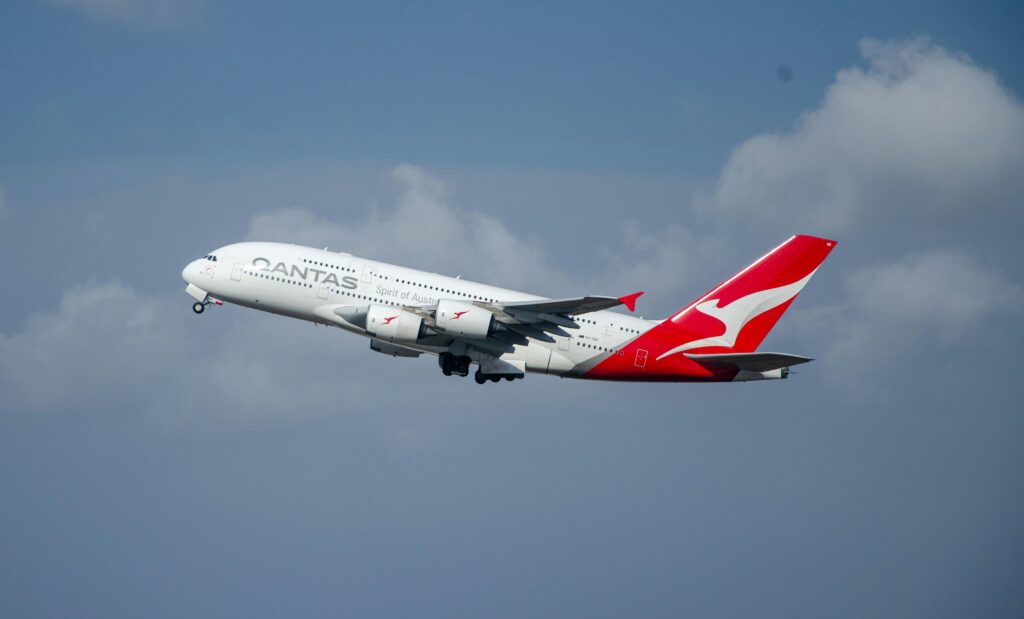
Dubai International Airport (DXB) has reaffirmed its status as the world’s busiest airport for international travel, handling a record 95.2 million passengers in 2025 and surpassing its own previous traffic records. The figure makes DXB not only the busiest airport for overseas passengers but also one of the fastest-growing hubs in international aviation.
The total exceeded the 92.3 million passengers recorded in 2024, highlighting steady growth despite broader economic uncertainties in the sector. DXB connects to 291 cities across 110 countries through 108 international carriers, underscoring Dubai’s role as a leading global transit hub.
Airport officials expect Dubai International Airport to approach 100 million passengers in 2026, highlighting both the strength of global travel demand and the limits of DXB’s current capacity. To accommodate this growth, Dubai is expanding its second airport, Al Maktoum International (Dubai World Central, DWC), with a $35 billion (€29.5 billion) project that will ultimately serve up to 260 million passengers and 12 million tonnes of cargo annually.
Located 45 km from DXB, the new airport will feature five parallel runways and around 400 gates, making it one of the world’s largest airports. Operations are planned to transition gradually from DXB as construction phases are completed, with major moves expected around 2032.
Emirates, Dubai’s flagship long-haul carrier, is driving the city’s aviation growth as more passengers start or end their journeys in Dubai rather than just connecting through. Before the COVID‑19 pandemic, transit travellers accounted for up to 60% of traffic; today, over 55% of passengers are origin or destination travellers. The shift has prompted Emirates to expand routes, add frequencies, and launch new services, including year-round flights to markets such as Helsinki, reflecting Dubai’s emergence as a major international destination.
Dubai’s tourism sector has grown alongside its aviation success. In 2025, the city welcomed roughly 19.6 million international overnight visitors, marking a 5 % increase compared with the previous year and breaking earlier records. Tourism growth is part of Dubai’s effort to diversify its economy and move beyond reliance on the oil sector.
Visitors are attracted to a variety of experiences in Dubai. The city is famous for its skyscrapers and design, including the Burj Khalifa and Palm Jumeirah, desert activities, beach resorts, theme parks, and cultural and business events. Intensive marketing, simpler visa procedures, and continuous investment in services also contribute to the city’s broad global appeal.
Aviation’s large contribution to Dubai’s economy has been highlighted in economic reports showing that visitor spending, facilitated by air travel, contributes significantly to GDP and employment. This reinforces why Dubai plans such ambitious airport expansion and connectivity strategies.
While Dubai’s aviation and tourism sectors continue to grow, rapid expansion has created challenges for residents. The city’s population has surged from around 255,000 in 1980 to nearly 3.8 million, and planners project it could reach 5.8 million by 2040. This explosive growth has worsened traffic congestion, with major highways like Sheikh Zayed Road often gridlocked during peak hours, while daily commutes from neighbouring emirates add further strain.
At the same time, housing prices have soared, putting pressure on both Emirati citizens and foreign residents. To address these issues, authorities are investing in road infrastructure, metro expansions, and smart traffic management, encouraging remote work and flexible hours, and exploring innovative solutions such as water taxis, expanded pedestrian and cycling networks, and even flying taxis in the coming years. These challenges have also sparked public debates rarely seen in the UAE, highlighting the social pressures behind Dubai’s rapid rise.
Local critics, including Emirati voices such as lawyer Habib Al Mulla, have noted that the benefits of growth are not always equally shared and that rapid development risks leaving some segments of the citizen population behind. These perspectives reflect broader concerns about affordability, infrastructure strain, and the city’s fast-paced growth.
Dubai’s long-term economic strategy, known as the Dubai Economic Agenda D33, aims to position the emirate among the world’s top five logistics hubs and expand foreign trade links to around 400 cities globally. Aviation infrastructure and airline connectivity are central to that vision.