Every year on 27 September, the global tourism community celebrates World Tourism Day, reminding us that tourism goes beyond leisure and highlighting its value as a force for dialogue, growth and connection. This year, the theme “Tourism and Sustainable Transformation” places the spotlight on how travel can drive systemic change when rooted in good governance, inclusivity and long-term vision.
Reading this theme, the country that most strongly reflects it to me these days is Turkmenistan. And the timing could not be more symbolic: every year, on the very same day that the world celebrates tourism, Turkmenistan also celebrates its Independence Day – a double reminder that transformation is as much about preserving identity as it is about opening up to the world. In recent years, I have witnessed this transformation first-hand by engaging in tourism development conferences and exchanges with officials there, from strengthening cultural diplomacy to opening new pathways for sustainable tourism.

Tourism as a driver for economic diversification and inclusion
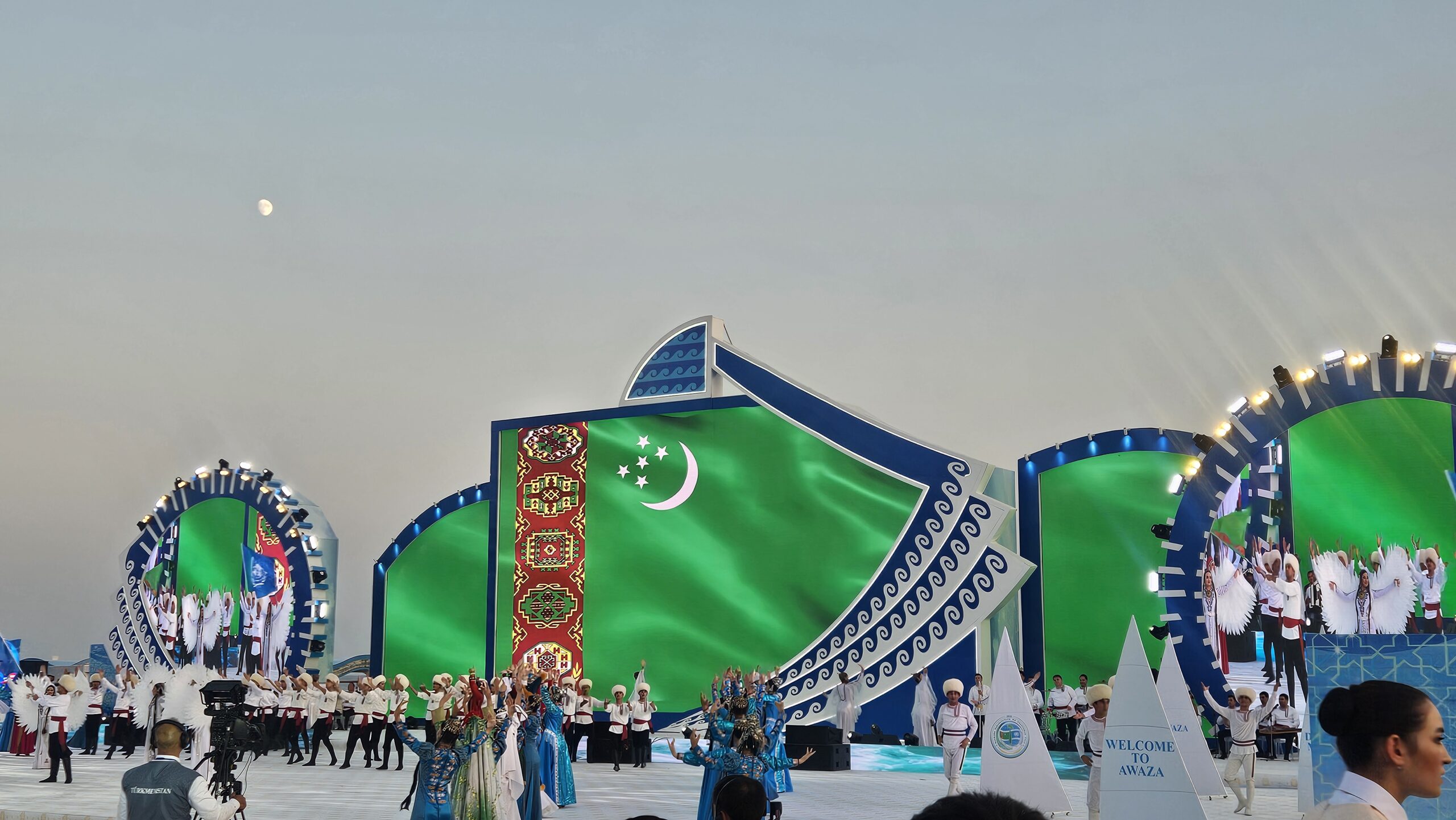
One of the most concrete examples of this transformation could be seen this August, when Turkmenistan hosted the Third United Nations Conference on Landlocked Developing Countries (LLDC3) in Avaza, its serene resort town on the Caspian coast. The event brought together governments, international organisations and experts to discuss connectivity, sustainable growth and the role of tourism as a driver of diversification. Known for its calm shoreline and welcoming atmosphere, Avaza proved to be a fitting setting for such an international gathering, blending natural beauty with the spirit of dialogue.
At the Youth Forum, where I was invited to speak, I underlined a reality often overlooked: for many travellers, holidays are still synonymous with beaches and coastlines. For landlocked countries, this perception can be a barrier, one that can only be overcome by offering something stronger — an authentic cultural identity and meaningful experiences that place destinations on the global map.
I emphasised that safeguarding cultural heritage is as vital as climate action, because the two go hand in hand. Without preserving culture, we risk losing the very stories that make these destinations unique. Beyond tourism, cultural heritage nurtures social cohesion and local pride, anchoring communities even as they open up to the world.
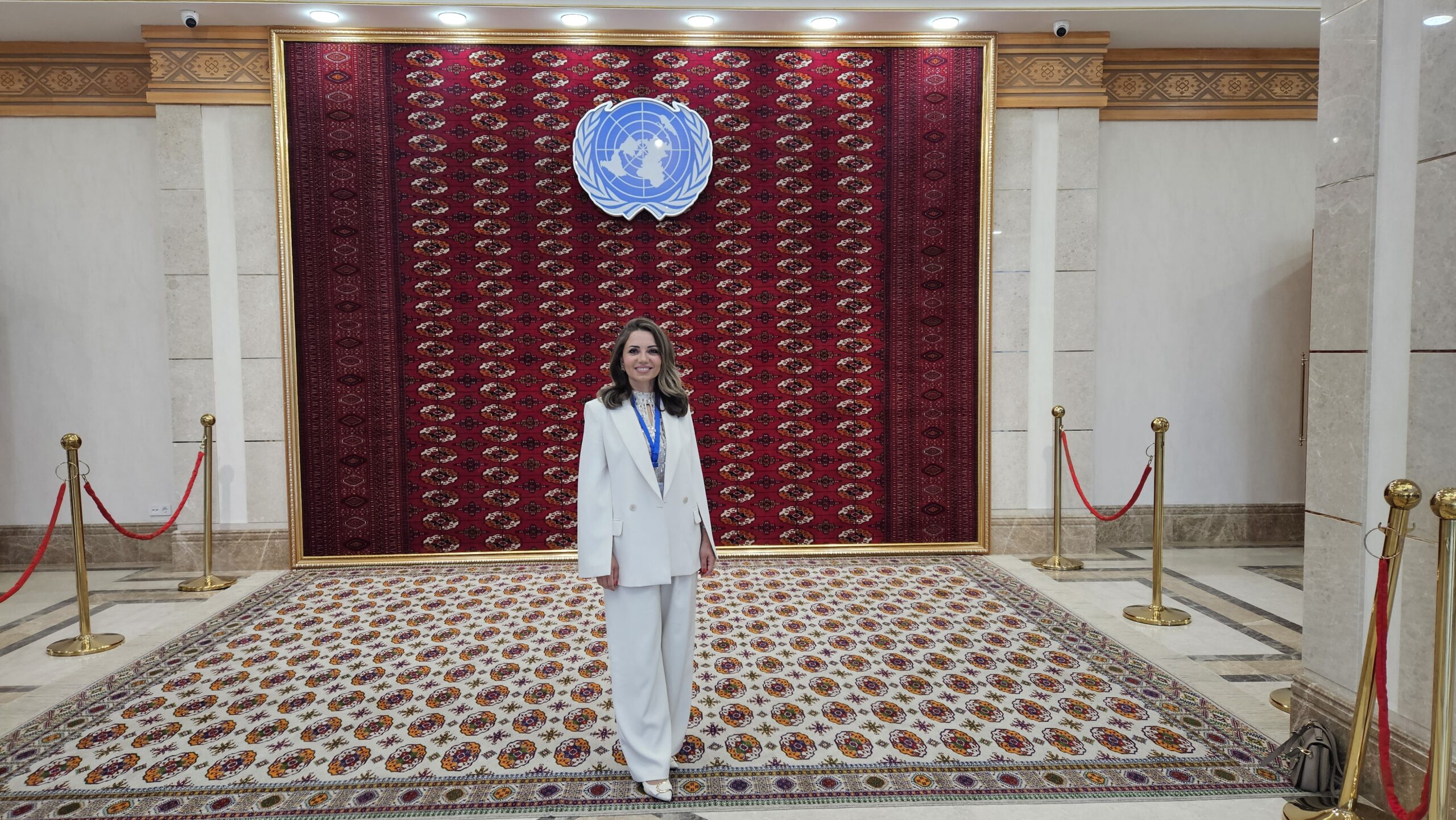
For emerging destinations like Turkmenistan, there is also a rare opportunity to design tourism differently: prioritising quality over quantity, and sustainability over short-term gain. Such an approach can create high-value, low-impact experiences that protect identity while driving inclusive growth.
These discussions resonated strongly in other sessions of the conference, reinforcing one clear message: tourism is not peripheral for landlocked countries; it is central to their economic resilience and global visibility. As a member of UN Tourism, Turkmenistan is part of this global conversation, translating international goals into local action. This vision resonates strongly with this year’s World Tourism Day theme, “Tourism and Sustainable Transformation”, underlining how the country is aligning its tourism journey with global calls for sustainability and inclusivity.
Cultural nights on the Caspian coast
Turkmenistan’s commitment to transformation is not only global but also regional. The Avaza conference made this clear in practice: alongside high-level debates, the evenings were dedicated to Central Asia Days, where neighbouring countries showcased their heritage, art and traditions. These cultural exchanges highlighted Turkmenistan’s path of collaboration — building bridges with its closest partners and presenting the region as a shared tourism destination.
Along the shoreline, each country set up its own pavilion, vibrant spaces where national heritage, crafts and flavours came to life. Strolling past the pavilions felt like walking through a living tapestry of the region’s shared heritage, reminding everyone of what makes the region unique: its art, its music, its vibrant colours and its warm, welcoming people.
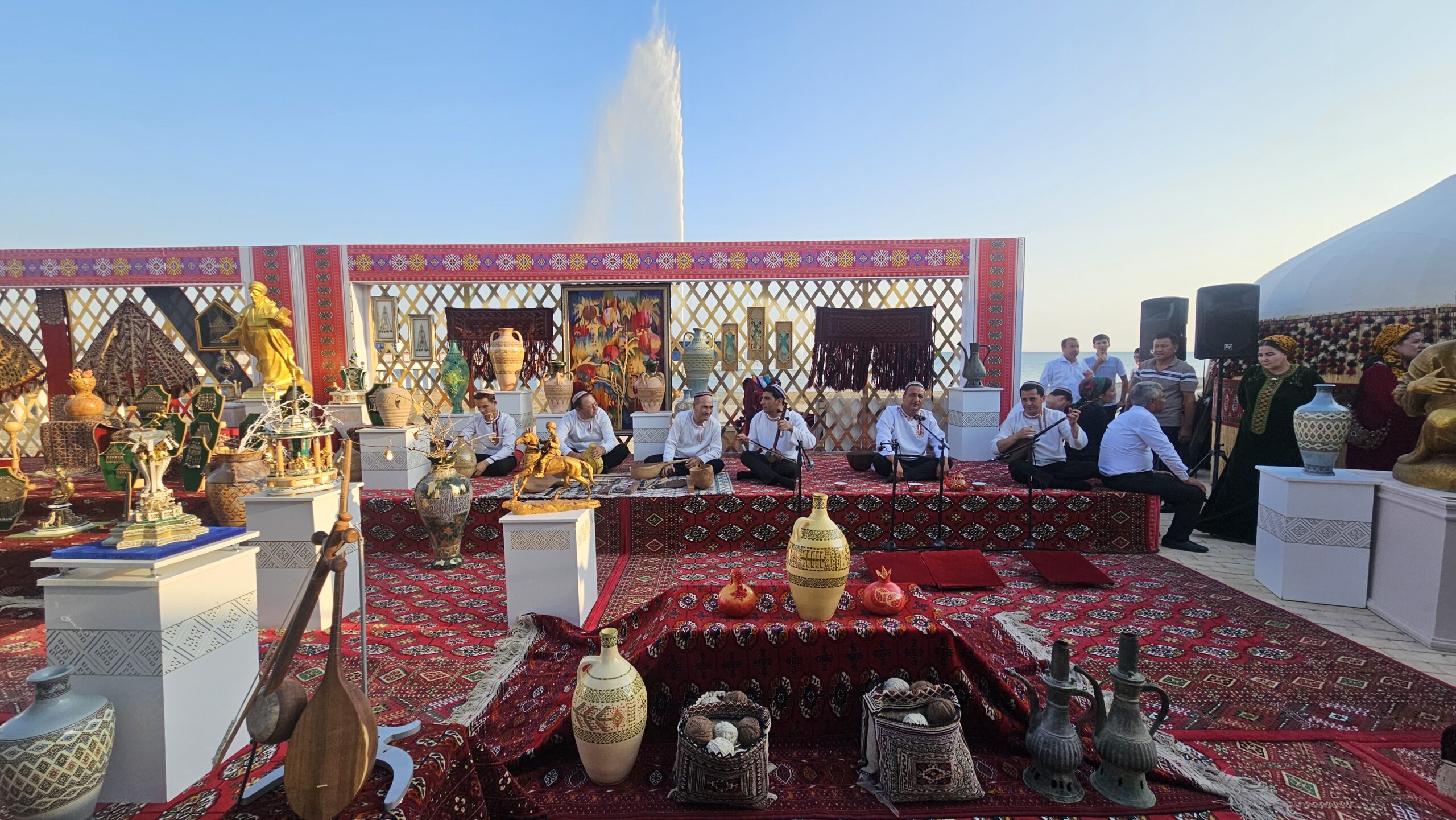
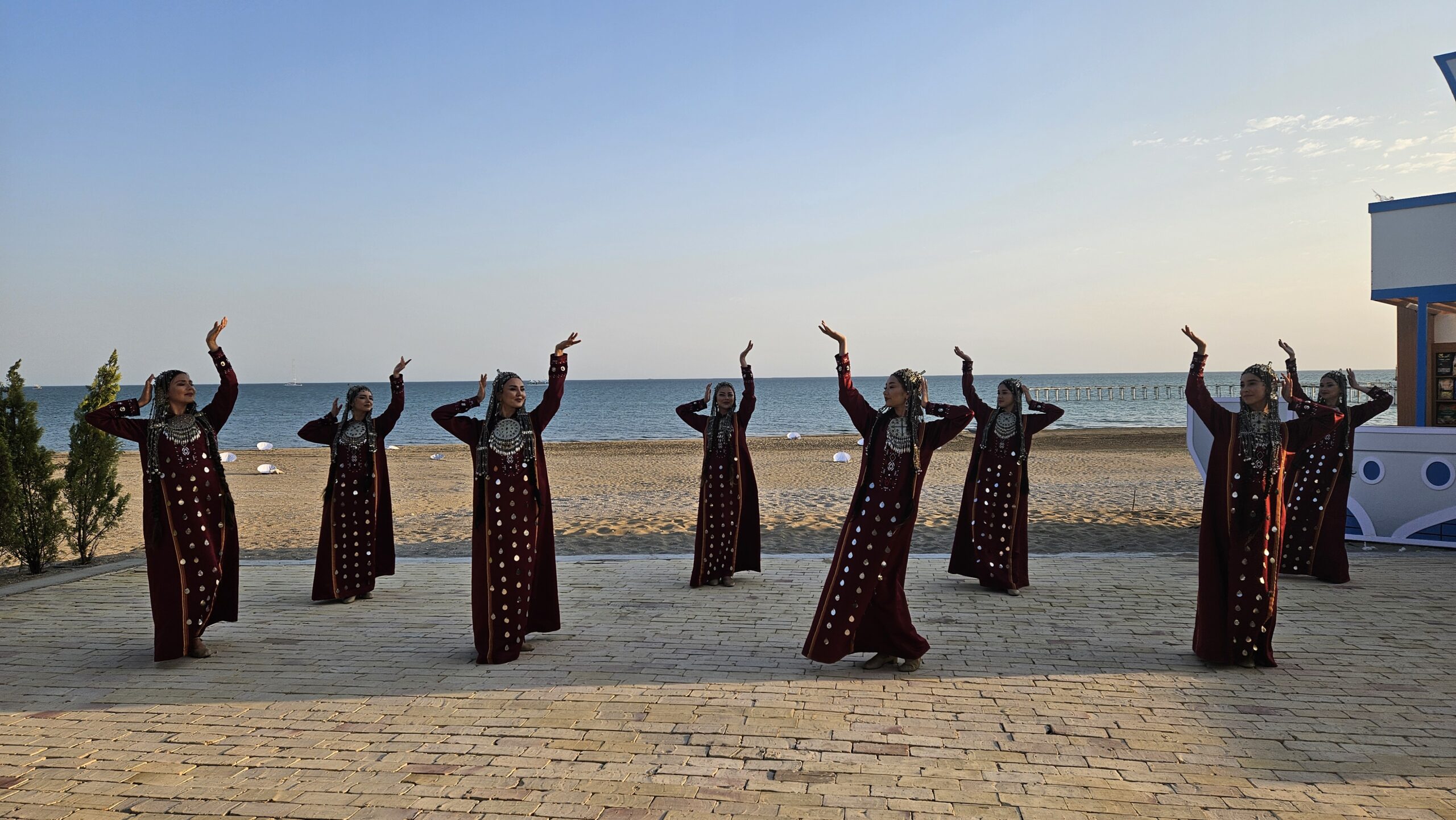
Every night, a different country took the stage. Turkmenistan, Kazakhstan, Kyrgyzstan, Tajikistan and Uzbekistan brought their music, art and traditions to life, while Azerbaijan, with its deep cultural and historical ties to the region and its shared Caspian coastline, added its own distinctive colours to the programme. Concerts, traditional dance performances, art exhibitions and food tastings turned the conference into a living showcase of the region’s diversity.
What struck me most was how natural and effortless the spirit of collaboration felt. These were not separate showcases by individual nations but a shared statement that Central Asia is a single, vibrant tourism market with enormous potential. Watching delegates, artists and visitors mingle in front of the pavilions, I couldn’t help but feel that the region’s real strength lies in this ability to work together rather than compete.
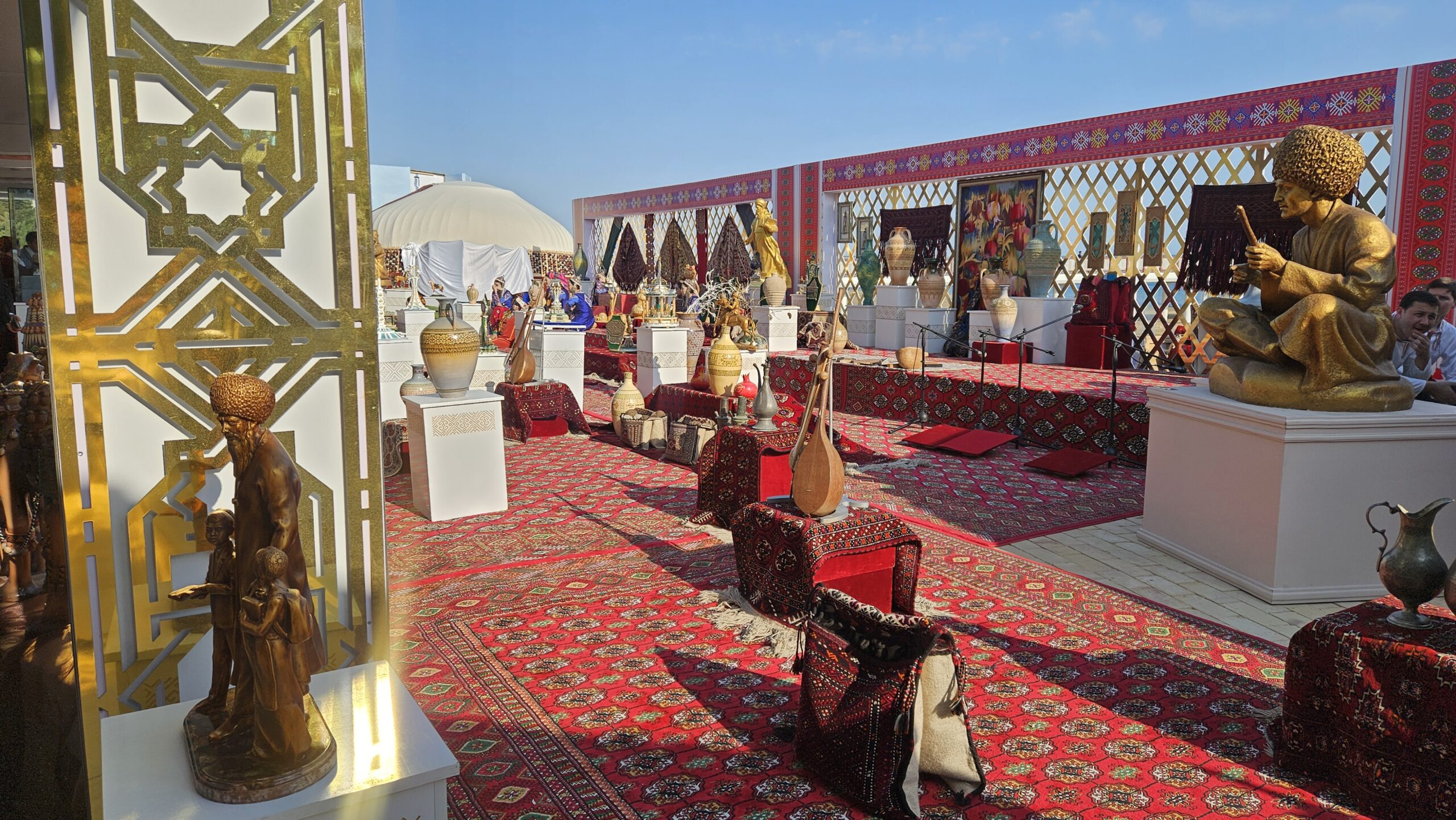
Azerbaijan’s contribution stood out for its scale and authenticity. The delegation arrived on a chartered flight, bringing officials, artists and priceless pieces from national museums, including exquisite carpets that reflected the country’s rich heritage. Under the leadership of the Ministry of Culture, Azerbaijan’s pavilion and evening programmes were a highlight of the Cultural Days. The country’s most renowned singers and traditional dance ensembles took the stage, sharing Azerbaijan’s cultural richness with guests from around the world and leaving a lasting impression.
Uzbekistan also made a statement that was impossible to miss. Its national pavilion, designed as a traditional Uzbek hovli (inner courtyard), quickly became one of the most visited attractions of the conference. Walking through it felt like stepping into the essence of Uzbek culture: intricate models of Registan Square and the Khudoyar Khan Palace, vibrant textiles and pottery, finely crafted woodwork and traditional household items. The pavilion also highlighted climate initiatives and innovative approaches to sustainable development, striking a balance between heritage and progress.
Weeks before the conference began, Uzbekistan’s team had already arrived in Avaza to prepare the pavilion — a level of commitment reflected in every detail. Beyond its cultural showcase, the country’s participation was both strategic and multi-layered, reaffirming Uzbekistan’s focus on regional integration and sustainable development.
The strong commitment of neighbouring countries in Avaza showed that regional cooperation is not only a matter of diplomacy but also of tourism. Turkmenistan’s close ties with its neighbours create opportunities for combined itineraries linking the Caspian shores with Silk Road heritage. In a region where travellers increasingly seek multi-country journeys, such partnerships strengthen Turkmenistan’s position both as a destination in its own right and as a natural bridge connecting Central Asia across the Caspian with the Caucasus. This inclusive approach benefits not only Turkmenistan but also the entire region, because in Central Asia and the Caspian region, progress in tourism can only be sustainable when it is holistic, interconnected and not limited by national borders.

New pathways for accessibility and connectivity
Looking ahead, several developments are set to shape Turkmenistan’s tourism landscape in concrete ways. Preparations are underway for an electronic visa system, which will simplify entry and make the country more accessible to international visitors. New direct flight connections, including the long-anticipated resumption of routes with Uzbekistan, are in preparation and expected to further enhance regional mobility and open the door to multi-country itineraries linking the Caspian shores with Silk Road heritage. Turkmenistan is also working on restoring flight connections with Almaty, underscoring a shared commitment to strengthening tourism and trade cooperation across the region.
Equally important for travellers is the sense of safety. According to Safeture Risk Maps 2025, Turkmenistan is classified among the world’s low-risk destinations. This reputation is closely tied to the country’s long-standing policy of Permanent Neutrality, a principle that has anchored its stability and peace-oriented image for three decades. This year, on 12 December, Turkmenistan will celebrate the 30th anniversary of that neutrality — a milestone that reflects its diplomatic identity and strengthens its positioning as a secure and welcoming destination for visitors. For tourism, neutrality is more than a foreign policy stance; it is a guarantee of stability and an invitation to explore a destination where heritage, hospitality and harmony converge.
Taken together, these steps reflect a journey that is still unfolding but already transformative. With vision and resilience, Turkmenistan has the opportunity to turn symbolism into substance — writing a story that is authentic, inclusive and built to last. In this light, on this double occasion of World Tourism Day and Independence Day, warm congratulations go to Turkmenistan for embodying both identity and transformation: rooted in heritage, guided by hospitality, sustained by peace and inspired by vision.