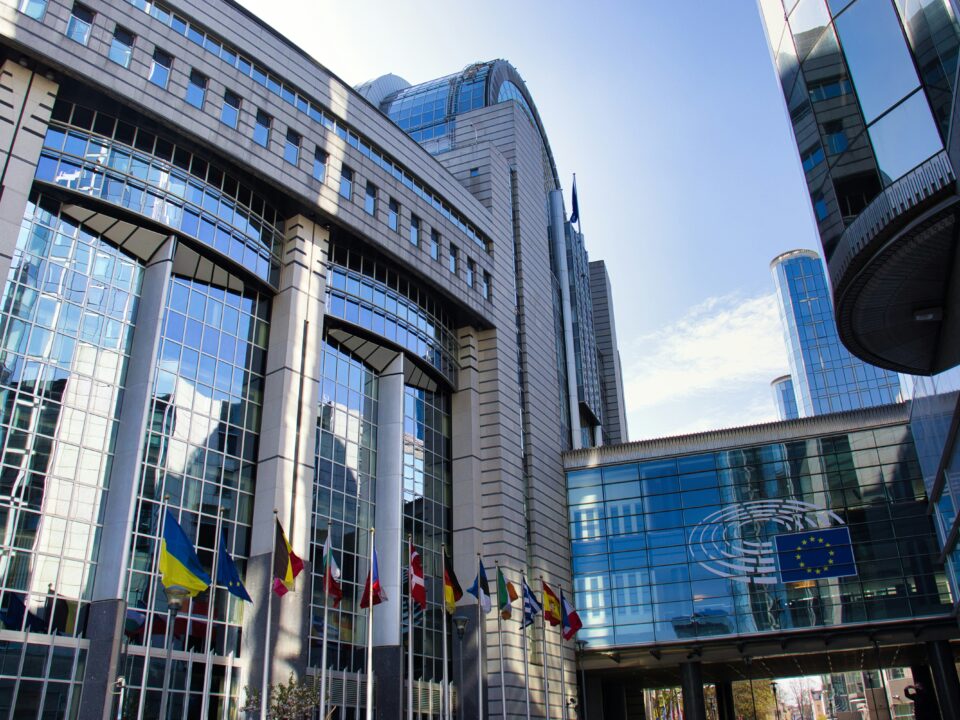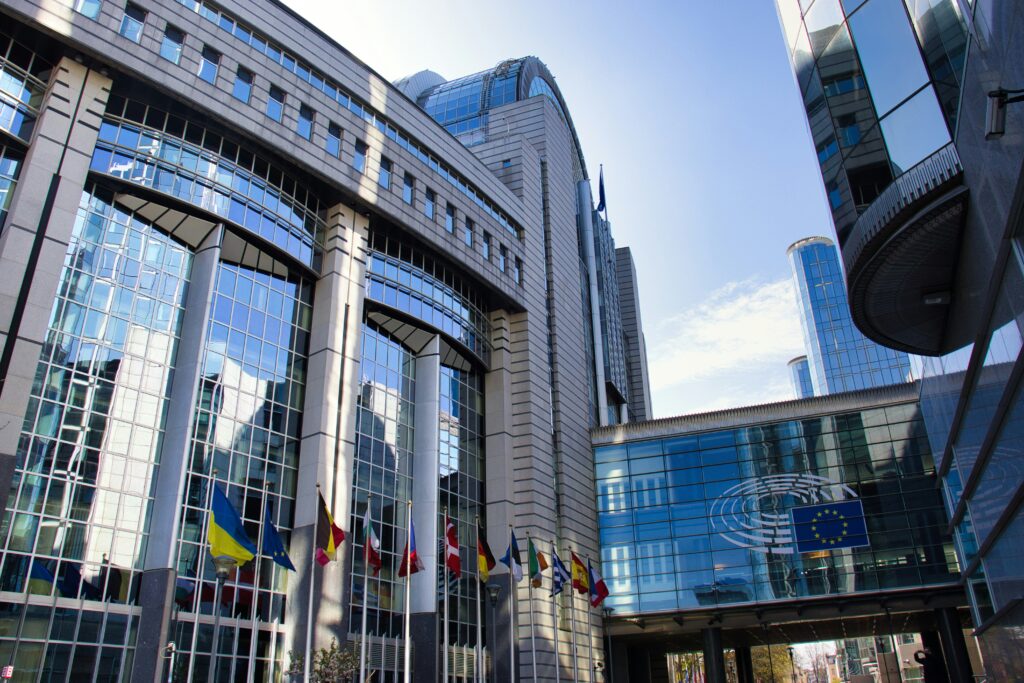
The European Parliament hosted yesterday the conference Sustainable Tourism The Challenges of the Decade, an event organised by Portuguese MEP Sérgio Humberto.
Apostolos Tzitzikostas, the European Commissioner for Sustainable Transport and Tourism, opened the discussion by reminding participants of the scale of what is at stake. “Tourism is one of the most important pillars of the European economy”, he said. “Travellers spent more than three billion nights in Europe in 2024, a 50% increase compared with fifteen years ago.”
He noted that this success is powered by more than three million small businesses and 20 million workers, yet the sector is exposed to some of the most complex crises of the decade. Geopolitical instability, hybrid attacks, rising energy prices, climate shocks and pressure on infrastructure all require a new approach. “The challenges we face today are very real”, he said. “We must make sure that local communities and businesses continue to benefit from tourism.”

A historic first for Europe
In his address, the Commissioner made a striking admission. Despite the importance of tourism, Europe had never had a dedicated tourism portfolio in the European Commission and never had a common European tourism strategy.
“For a reason that I cannot understand, even though tourism brings 10% of European GDP, there was not even a Commissioner for tourism”, he said. “I am the first, and hopefully not the last.”
The strategy he will present in spring 2026 is built around three core priorities.
First, ensuring that Europe remains the world’s leading tourist destination. “We are a superpower in tourism” he said. “We have to realise that and work to maintain this position.”
Second, ensuring that the benefits of tourism are genuinely shared by local communities and businesses. This, he stressed, is essential to preventing the rise of anti tourism sentiment. “Tourism only works when communities support it.”
Third, transforming today’s pressures into opportunities by investing in innovation, digital transition, mobility and quality data. This includes creating a new European data space for tourism and strengthening destination management organisations so they can manage flows rather than simply promote destinations.

The Commissioner also highlighted a major challenge. Europe is currently missing around one million workers in tourism. Training, upskilling and talent retention must therefore be placed at the heart of the new strategy. “Sustainability is not only about the environment”, he said. “It is also about the economy, the enterprises, the infrastructure and the jobs.”
He repeatedly referred to Portugal as an example. “You are turning ambition into reality”, he told the Portuguese delegation, praising the country’s forward-looking policies, its sustainability support line and its free training programmes for tourism professionals.
Portugal’s Strategy 2035
Pedro Machado, Portugal’s Secretary of State for Tourism, Commerce and Services, explained how the national Strategy 2035 aligns with the new European vision. Portugal will present its full framework by the end of 2025, and the goal is clear. The country wants to combine stronger growth with more balanced territorial development, better data sharing and decisive climate action.
Machado described tourism as part of a “virtuous triangle” that links sustainable economic growth, territorial cohesion and climate responsibility. With an average annual growth target of 6% for the next decade, tourism could reach close to 20% of Portugal’s GDP by 2035.

Central to this approach is ensuring that communities feel the benefits of tourism. Better distribution of wealth, stronger local participation and new opportunities in low-density territories were repeatedly emphasised. “Tourism must be interpreted as a powerful instrument to compensate for the development gaps of more distant territories”, Machado said.
Climate adaptation is another pillar. Water scarcity, extreme weather and ecological stress are already affecting destinations. “We have to look at resources differently,” he said, noting that sustainability must be understood as the management of natural capital as much as the deployment of technology. Artificial intelligence can support decision-making, but only if it serves people.
Machado also stressed the vital role of mobility and connectivity for peripheral countries. Aviation remains essential for Portugal’s accessibility, and the country must work with European partners to ensure that sustainability objectives do not undermine the right to travel.
Digitalisation, innovation and artificial intelligence permeate the Strategy 2035. More than half of Portugal’s future flagship measures are technology-driven, focusing on efficiency, data and smarter services. Yet Machado insisted that technology remains a tool. “Talking about tourism is not just talking about destinations” he said. “It is talking about values and about people.”
Airlines, airports and hospitality in transition
The conference ALSO brought together Ryanair, ANA Aeroportos de Portugal and HOTREC, providing a practical dimension to the policy discussions.
Steven Fitzgerald, Director of Sustainability and Finance at Ryanair, positioned affordable connectivity as “the engine of tourism growth”. He warned that the cost of the green transition risks falling disproportionately on families and regional economies. Sustainable aviation fuel remains scarce and extremely costly, and ETS charges continue to rise. “Policies that simply make flying more expensive do not reduce emissions”, he said. “They reduce accessibility.”

He called for more European investment in the production of sustainable aviation fuel, stronger incentives and a shift away from punitive cost mechanisms.
Thierry Ligonnière, President of ANA Aeroportos de Portugal, described how connectivity has transformed the country over the last decade. Portuguese airports now handle close to 69 million passengers a year, supporting more than 21 billion euros in tourism impact. Lisbon’s airport is, however, facing a severe capacity limit, and the new airport announced for the capital region is now a priority.
Ligonnière stressed that airport growth must be compatible with environmental and social sustainability. ANA aims to reach carbon neutrality well before 2030 and has already reduced water consumption per passenger by nearly half. “There is no growth that is not sustainable”, he said.

Representing the hospitality sector, Marta Machado, Deputy Director General of HOTREC, reminded participants that 90% of tourism businesses are micro companies. They face high energy costs, digital platform pressures, labour shortages and a heavy regulatory burden. She called for better access to financing, realistic legislative timetables and stronger enforcement of EU rules on short-term rentals and online platforms. “Sustainable tourism strategy is essential for us”, she said. “It must give companies the tools to lead the green, social and digital transition.”

A strategy shaped beyond Brussels
As the conference closed, Sérgio Humberto underlined that the discussion in Brussels would not stay in the Parliament bubble. “Our objective is to bring this debate to the whole territory and beyond our borders”, he said. If the ambition expressed in the European Parliament is matched by concrete action, the coming decade could see Europe move from fragmented efforts to a coherent strategy where tourism remains a force for prosperity, sustainability and cohesion.