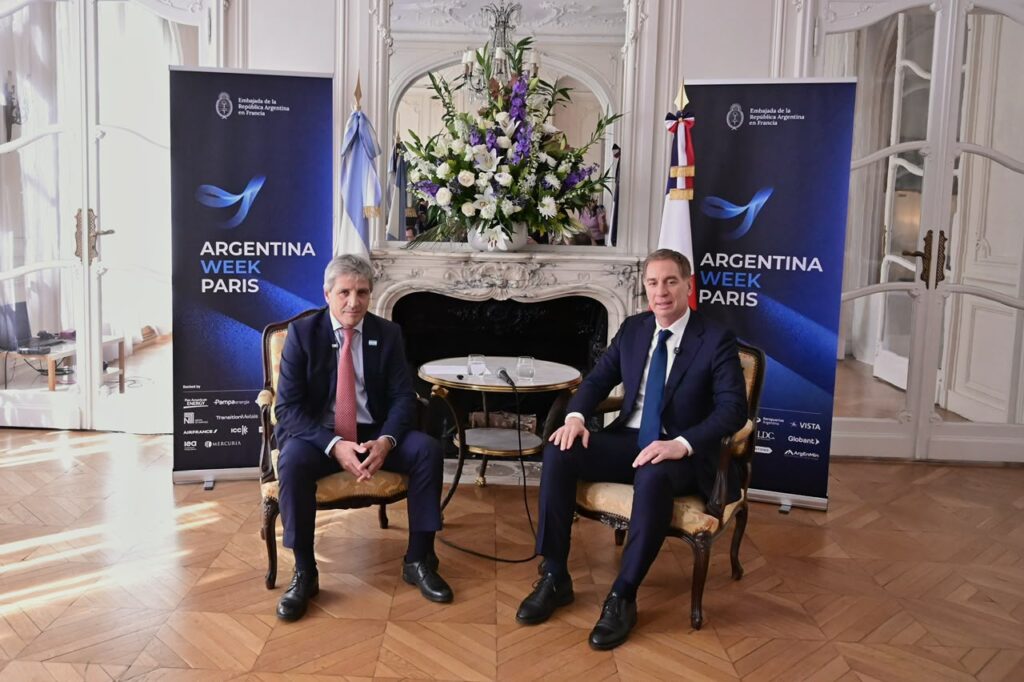
The European Parliament hosted yesterday the conference Sustainable Tourism The Challenges of the Decade, an event organised by Portuguese MEP Sérgio Humberto. The discussion took place on the very day Madeira once again secured global recognition as the World’s Leading Island Destination for the eleventh consecutive year. The coincidence strengthened the message emphasised throughout the event: Madeira and the Azores are emerging as Europe’s laboratories for sustainable tourism, showing how climate resilience, innovation, and community-centred development can redefine the sector’s future.
Carlos Abade, President of Turismo de Portugal, stressed that the forthcoming national Strategy 2035, to be presented on 18 December in Lisbon, will depend on strong regional leadership if Portugal is to rise into the world’s top ten most competitive tourism destinations. “Tourism is not an end in itself,” he said. “It is a vehicle of positive transformation only when it is a pillar of prosperity and well-being for the population.”

Abade underlined that Strategy 2035 focuses on value creation, territorial cohesion, and sustainability. Reaching the top ten globally will require progress in mobility, infrastructure, safety, talent development, natural resource management, and environmental resilience. These goals, he argued, cannot be met without recognising the distinct needs of each region.
“The country is not the sum of the regions, it is much more than that,” Abade said. Territories with different pressures and capacities require tailored solutions. For that reason, the strategy reinforces regional tourism authorities and deepens cooperation with Madeira and the Azores.
“Islands are not peripheral. They are at the forefront of Europe’s future.”
Bringing a political voice from the Azores, MEP Paulo do Nascimento Cabral emphasised the strategic role of island territories in shaping Europe’s tourism transition.
“The Azores and Madeira are not peripheral spaces,” he said. “They are at the forefront of Europe’s future. Islands feel climate change, resource constraints, and mobility challenges earlier and more intensely than other regions. That is why they are pioneers in sustainability and innovation.”

He insisted that sustainable tourism cannot be addressed only in national capitals. “If Europe wants solutions that work in the real world, it must listen to the regions that are already implementing them. In the islands, sustainability is not theoretical. It is a matter of daily resilience.”
Cabral’s intervention positioned Madeira and the Azores not only as destinations but as strategic contributors to European policy.
Islands emerging as testing grounds for sustainable solutions
Rita Andrade, counsellor for tourism at the Permanent Representation of Portugal to the EU, highlighted how Madeira and the Azores are shaping sustainability from the ground up. Both archipelagos face climate pressure, resource scarcity, and tourism seasonality earlier and more intensely than mainland areas, forcing faster adaptation and innovation.
“Coastal regions such as Madeira and the Azores live on the front line of major transformation,s” she said. “From climate change to tourist pressure to the dependence on air transport. These realities make us faster at innovating and adapting.”
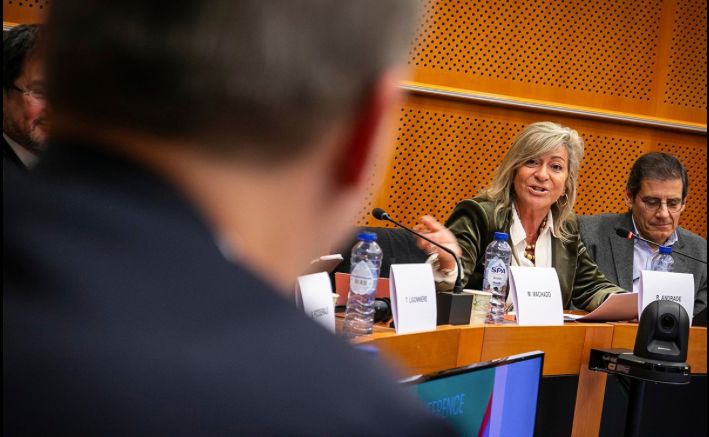
The Azores became the first archipelago in the world to receive gold certification under the EarthCheck system. Madeira holds the silver level and aims to reach gold by 2027. Both regions operate continuous monitoring systems covering emissions, water and energy efficiency, waste reduction, and circular practices, positioning them as global references in sustainable destination management.
“Sustainability is not a limitation,” Andrade said. “It is a factor of competitiveness.”
Tourism as an engine for territorial cohesion
Abade and Andrade stressed that tourism plays a crucial role in supporting low-density regions, preserving cultural heritage, and sustaining local employment. Abade insisted that communities must feel tangible benefits from tourism for the sector to remain socially viable.
“Thinking about tourism is thinking about Portugal,” he said. A destination that maintains quality of life for residents becomes stronger and more attractive for visitors.
Andrade added that sustainable tourism in island territories must address housing pressure, access to services, and responsible visitor management to maintain social balance and long-term resilience.

From maritime periphery to strategic centre
The discussions in Brussels highlighted how Madeira and the Azores are redefining their place within Europe’s tourism landscape. With vast maritime zones, distinctive ecosystems, and unique cultural identities, the islands are positioning themselves as strategic centres rather than geographical edges.
“The Portuguese islands should not be considered the limit of Europe but its starting point for sustainable innovation,” Andrade said.
With Strategy 2035 approaching its official presentation and the European Commission preparing its first-ever tourism strategy, there is now strong alignment between national and regional priorities. The next decade will be shaped not only in Lisbon or Brussels but in the archipelagos and regions where sustainable tourism is already being built on the ground.