Fodor’s list of “no-go” destinations for 2026 has been published, with eight places the renowned travel guide discourages visiting. The guide insists that the list is not a call to boycott, but rather an encouragement for travellers to reconsider visiting the listed places. Fodor bases its choices on issues such as overtourism, environmental fragility, sustainability concerns, infrastructure strain, and pressures on local communities and housing. The purpose of the list, in the words of the guide, is to provide a “gentle but pointed nudge to ease up on a spot for now – not forever.”
They remind readers that Venice and Barcelona have now been removed from the list, not because they have been “magically cured,” but because the spotlight must now shine on other places that are reaching breaking point. So, which destinations should you avoid in 2026?
Antarctica
Antarctica tops this year’s list. Tourist numbers have risen tenfold in thirty years, bringing with them a high carbon footprint and disturbing the local wildlife. Instead of “ecotourism,” the continent has moved to “mass tourism,” which is a problematic situation for a region that does not need “marketing campaigns to lure visitors or tourism dollars to fuel a non-existent economy.” Capping visitor numbers would help to control the problem, but the International Association of Antarctica Tour Operators (IAATO) has no authority to impose such limits. Furthermore, private ships operating outside of any oversight are adding further pressure.
Glacier National Park, USA
In 2024, Glacier National Park in Montana received over 3.2 million visitors. While its dramatic views are irresistible, increased traffic is harming wildlife and air quality, creating what local experts describe as a “sustainability paradox” – a problem similar to that faced by the Antarctic. While some might think that greater visitor numbers would lead to increased awareness and advocacy, in reality, they contribute to the degradation of the places people visit. In fact, there is a “staggering disconnect” between interest in “last-chance tourism” and concern for its environmental impact.
The Canary Islands, Spain
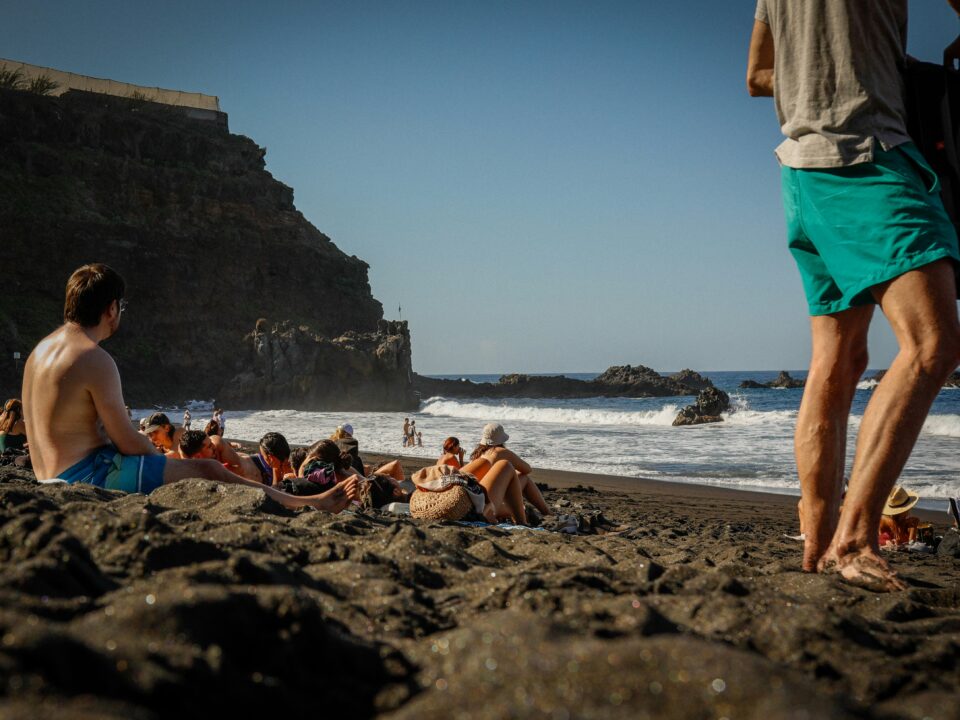
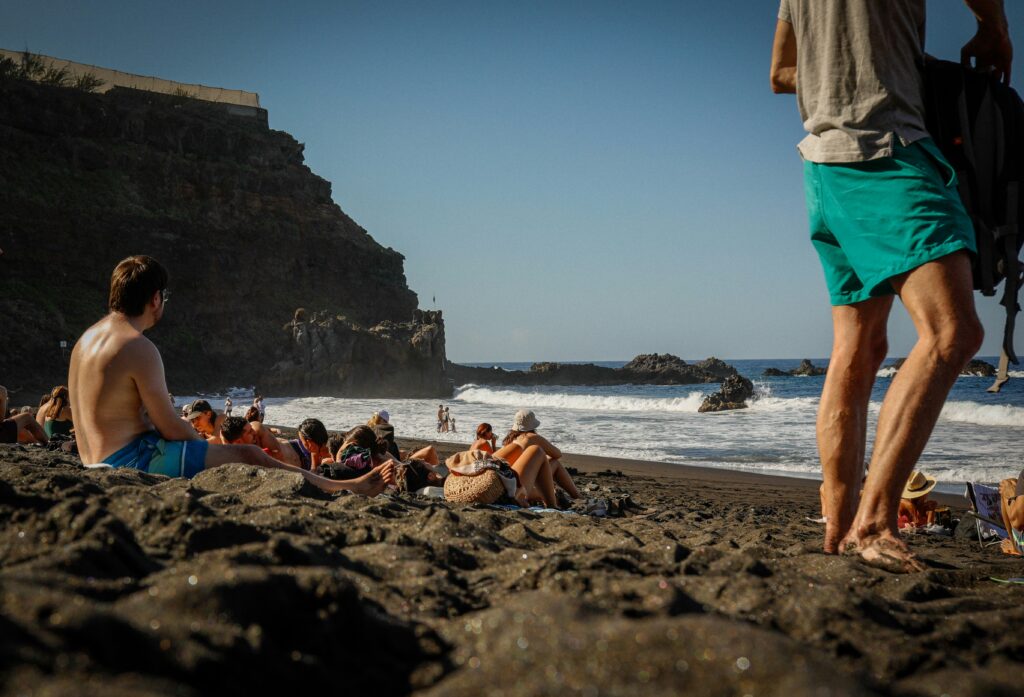
The Canary Islands received 7.8 million visitors in the first half of 2025 alone. Protests have multiplied, with locals chanting “Canarias tiene un límite” (“The Canaries have a limit”), demanding limits on visitor numbers and arguing that overtourism is putting a strain on housing, ecosystems, and local life. “Tourism brought money and opportunity, but it also concentrated wealth,” says one expert. “Today, most hotels are owned by large investment groups… much of the profit leaves the islands.”
Isola Sacra, Italy
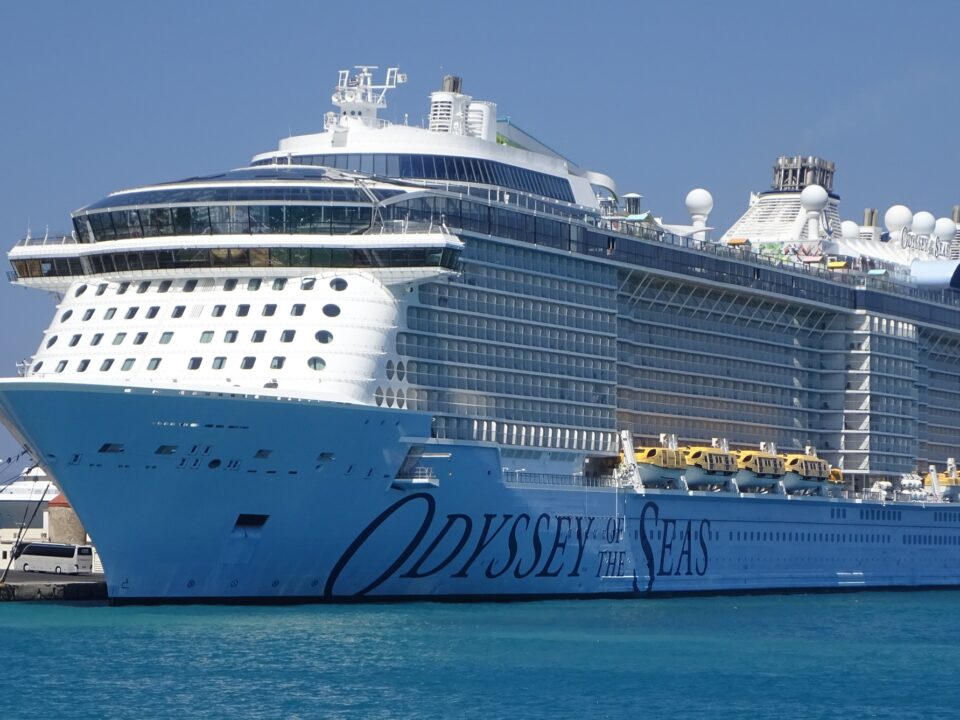
On Isola Sacra, a coastal area just 32 km southwest of Rome, controversy has erupted after the authorities approved the docking of large cruise ships. Locals have opposed the project since 2010, citing the risks posed to the fragile coastline. “The use of sustainability strategies would never eliminate the impact of a project of this magnitude on a delicate environment like that of the Fiumicino coastline,” Longo warns. It is an unbearable thought for a coastline that “still holds its magic” for its residents.
Jungfrau Region, Switzerland
The Jungfrau Region is one of the most popular tourist destinations in the Alps. Over one million people visited the Jungfraujoch last year, while the nearby Aletsch Glacier has retreated by over 1.4 miles in the last 75 years. Day-trippers put extra strain on the infrastructure and do not pay the visitor tax, which is legally earmarked for infrastructure maintenance. Airbnb and other short-term rentals are also making housing increasingly scarce here.
Mexico City
Like many other cities, Mexico City has experienced a surge in tourism, which has driven up rents and led to gentrification, pushing out locals. Last July, large protests erupted across the city, calling for “Mexico for Mexicans” and “Gringos out,” with some demonstrations turning violent. Many have blamed this surge on the “Instagram, Airbnb, and Uber” generation, which is creating a commodification of community life and fuelling displacement and soaring short-term rentals. Calls to restrict or even ban platforms like Airbnb echo similar debates worldwide.
Mombasa, Kenya
Post-pandemic, Mombasa, which receives 70% of all coastal visitors, is struggling with congestion, polluted beaches, overstretched infrastructure, and encroachment along its shoreline. Tourist exit surveys now warn that the city risks losing its appeal altogether. Unrestrained overtourism needs to be addressed through proper management and carrying capacity studies to determine the maximum number of visitors the city can accommodate while maintaining a healthy balance between tourism, local life, and environmental integrity.
Montmartre, Paris
Montmartre has also reached the saturation point. The Sacré-Cœur attracts 11 million visitors each year, surpassing the Eiffel Tower. “At night, the Place du Tertre is completely taken over by terraces,” a resident complained to Fodor. Residents are protesting “discreetly but firmly” and calling official promises “hypocritical,” saying that if things continue as they are, Montmartre will lose its soul and become “progressively emptied of its population.”
Fodor’s list is not a call to stop travelling, but a reminder to travel responsibly. These destinations show how rising visitor pressure can affect communities and fragile environments.