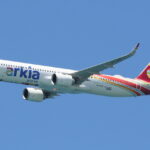


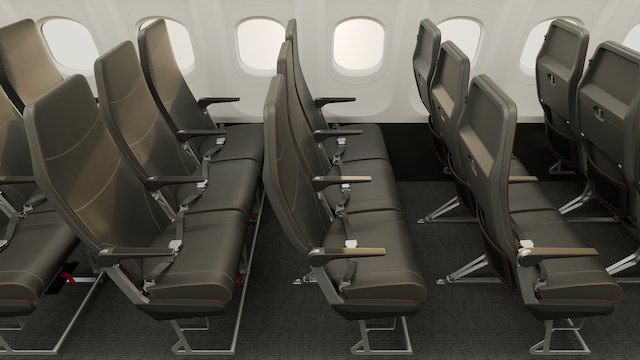
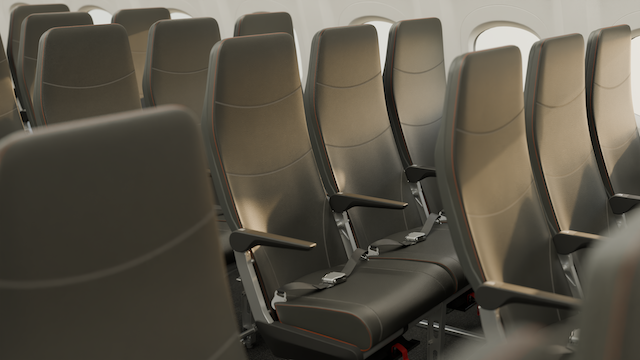
Starting in 2028, easyJet will install its new Kestrel seats on Airbus A320neo and A321neo aircraft. The seats are more lightweight than current models, and their design is intended to provide up to two inches of extra legroom. This extra space comes from the seat’s built-in tilt, which shifts passengers’ hips and spine slightly backward, rather than increasing the distance between rows.
The Kestrel seats have a built-in tilt of about 22 degrees, which cannot be adjusted by passengers. While some travellers may miss adjustable reclining, the design ensures improved comfort for most passengers without compromising overall space. Its ergonomic shape aims to benefit taller passengers, especially those over 1.9m, who often struggle with cramped seats on budget airlines. These slimline seats are specifically designed for short-to-medium-haul flights, which make up the majority of easyJet’s European network.
Some passengers have raised questions about how the new seats will affect comfort for larger travellers. Budget airline seats are often narrow, and legroom is limited, which can make flights uncomfortable for those who need more space. Even with the new Kestrel tilt, some passengers may still find their knees or hips pressed against the seat in front.
Environmental benefits are a key feature of the Kestrel seats. Each seat is more than 20% lighter than current models, saving up to 500 kilograms per aircraft. Across the fleet, this is expected to reduce fuel consumption by over 12,936 tonnes annually, equivalent to more than 40,000 tonnes of carbon dioxide. The seats are also approximately 98% recyclable, reducing long-term waste and supporting a circular economy. By lowering aircraft weight, easyJet can combine these seat upgrades with other eco-friendly initiatives to reduce its carbon footprint.
These new seats are part of easyJet’s broader plan to modernise its fleet and make flights more efficient. The airline is gradually retiring older aircraft and introducing newer NEO models, which are around 13% more fuel-efficient and produce less noise. These newer planes, combined with lighter paint and small wingtip devices called sharklets, help reduce fuel use in the air. Inside the cabin, changes like rearranged rear galleys and toilets make the layout more space-efficient, while digital flight manuals replace heavy paper versions, further reducing the weight of each aircraft.
On the ground, easyJet has also introduced measures to save fuel and cut emissions. Optimised taxiing techniques, for example, reduce unnecessary engine use while planes move between gates and runways. At some airports, pre-conditioned air units allow pilots to turn off the aircraft’s auxiliary power unit (APU) for much of the turnaround, cutting fuel consumption and CO2 output.
The Kestrel seats are made by British manufacturer Mirus Aircraft Seating, which developed and tested them at its MTEST facility in the UK. David Morgan, easyJet’s Chief Operating Officer, said: “We are delighted to be introducing the Mirus Kestrel seat across our future fleet. This investment supports our continued focus on making our operations as efficient as possible, while also improving the onboard experience for our customers.”
The Kestrel seats will be fitted on over 200 new aircraft from 2028, offering slightly more legroom and extra space for knees and shins. They are part of a series of changes across easyJet’s fleet, including lighter paint, more efficient cabin layouts, and newer aircraft models, aimed at reducing fuel use and emissions while modestly improving the onboard experience.